Alveoloplasty is a common dental procedure that is often performed in conjunction with extractions. This surgical procedure involves reshaping and smoothing the underlying bone that supports the teeth after extraction. It is done to ensure proper healing of the extraction site and to prepare the area for future dental work such as dentures or dental implants.
During an extraction, the dentist may need to remove a tooth that is damaged, decayed, or causing other dental issues. Once the tooth is removed, alveoloplasty may be necessary to reshape the bone to prevent sharp edges or uneven surfaces that could cause discomfort or problems with healing.
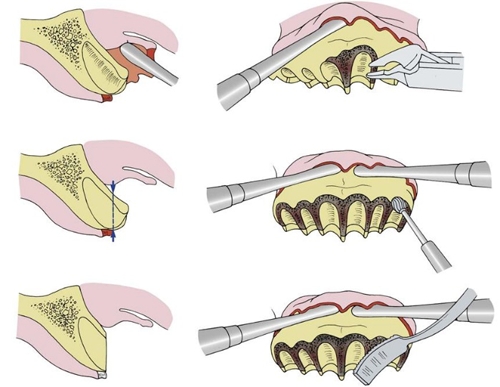
Alveoloplasty is typically done using local anesthesia to numb the area before the procedure. The dentist will then carefully reshape the bone using specialized instruments to create a smooth and even surface. This process helps to promote proper healing and reduce the risk of complications following the extraction.
After alveoloplasty is completed, the dentist may place stitches to close the incision and promote healing. Patients are usually given post-operative care instructions to follow, including information on how to care for the extraction site and manage any discomfort or swelling that may occur.
Overall, alveoloplasty in conjunction with extractions is a common and effective procedure that helps to ensure the best possible outcome following tooth removal. By reshaping the bone and creating a smooth surface, dentists can help to promote proper healing and reduce the risk of complications for their patients.
In conclusion, alveoloplasty is an important procedure that is often performed in conjunction with extractions to ensure proper healing and preparation for future dental work. By reshaping the bone and creating a smooth surface, dentists can help their patients achieve the best possible outcome following tooth removal. If you are in need of an extraction, talk to your dentist about whether alveoloplasty may be necessary for your specific case.