When it comes to describing groups of animals, the English language offers unique and interesting terms known as collective animal nouns. These nouns are used to refer to a group of animals of the same species, often in a creative and imaginative way. They add color and depth to our language, showcasing the beauty and diversity of the animal kingdom.
Collective animal nouns not only serve a practical purpose in communication but also reflect the relationship between humans and animals. They highlight the social behavior and collective nature of certain species, offering insight into their habitats and interactions. These terms are not only fun to use but also provide a glimpse into the world of animals and how they operate as a group.
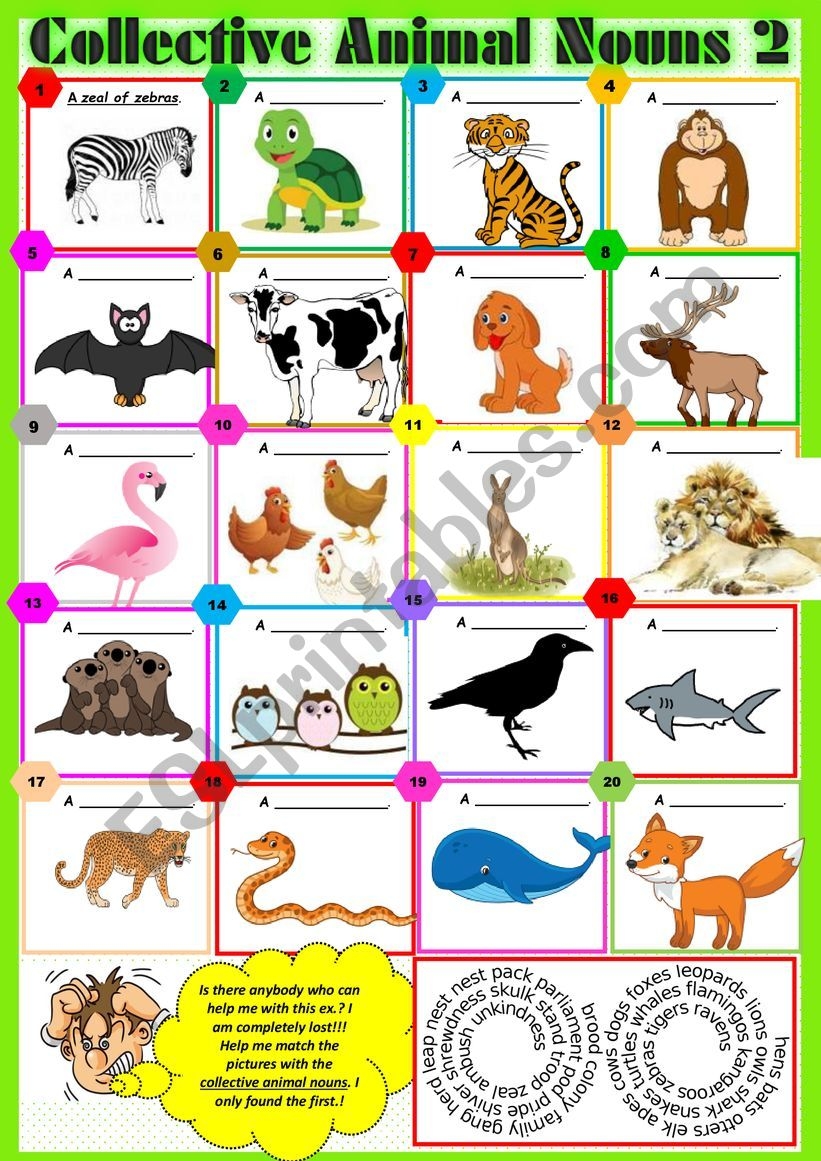
Common Collective Animal Nouns
One of the most well-known collective animal nouns is a “herd,” which is used to describe a group of animals such as cows, deer, or elephants. Another popular term is a “flock,” typically used for birds like sheep or geese. Some other common collective animal nouns include a “pack” of wolves, a “pod” of dolphins, or a “pride” of lions. These terms offer a unique way to describe and visualize the social dynamics of various animal species.
Collective animal nouns can also vary depending on the species and their behavior. For example, a group of fish is called a “school,” reflecting their synchronized swimming patterns. A gathering of bees is known as a “swarm,” emphasizing their buzzing and buzzing behavior. These terms not only help us understand the animals better but also add a poetic touch to our language.
Furthermore, collective animal nouns can also be used metaphorically to describe human groups or organizations. Phrases like a “herd mentality” or a “pack of wolves” are often used to symbolize certain behaviors or dynamics within human society. This shows the versatility and impact of these terms beyond just describing animals.
In conclusion, collective animal nouns are a fascinating aspect of the English language that adds richness and depth to our descriptions of the animal kingdom. They offer a unique perspective on the social behavior and interactions of various species, as well as serving as a creative way to communicate. Whether used literally or metaphorically, these terms play an essential role in our language and our understanding of the natural world.