Have you ever heard of a “murder of crows” or a “herd of elephants”? These unique phrases are known as collective nouns, which are used to describe groups of animals in a fun and creative way. Collective nouns add an element of whimsy to the English language and can paint a vivid picture of the animals they describe.
Collective nouns are not only entertaining but also serve a practical purpose in language. They help to streamline communication by providing a single word to describe a group of animals, making it easier to convey information concisely. These terms have been passed down through generations and have become an integral part of the English lexicon.
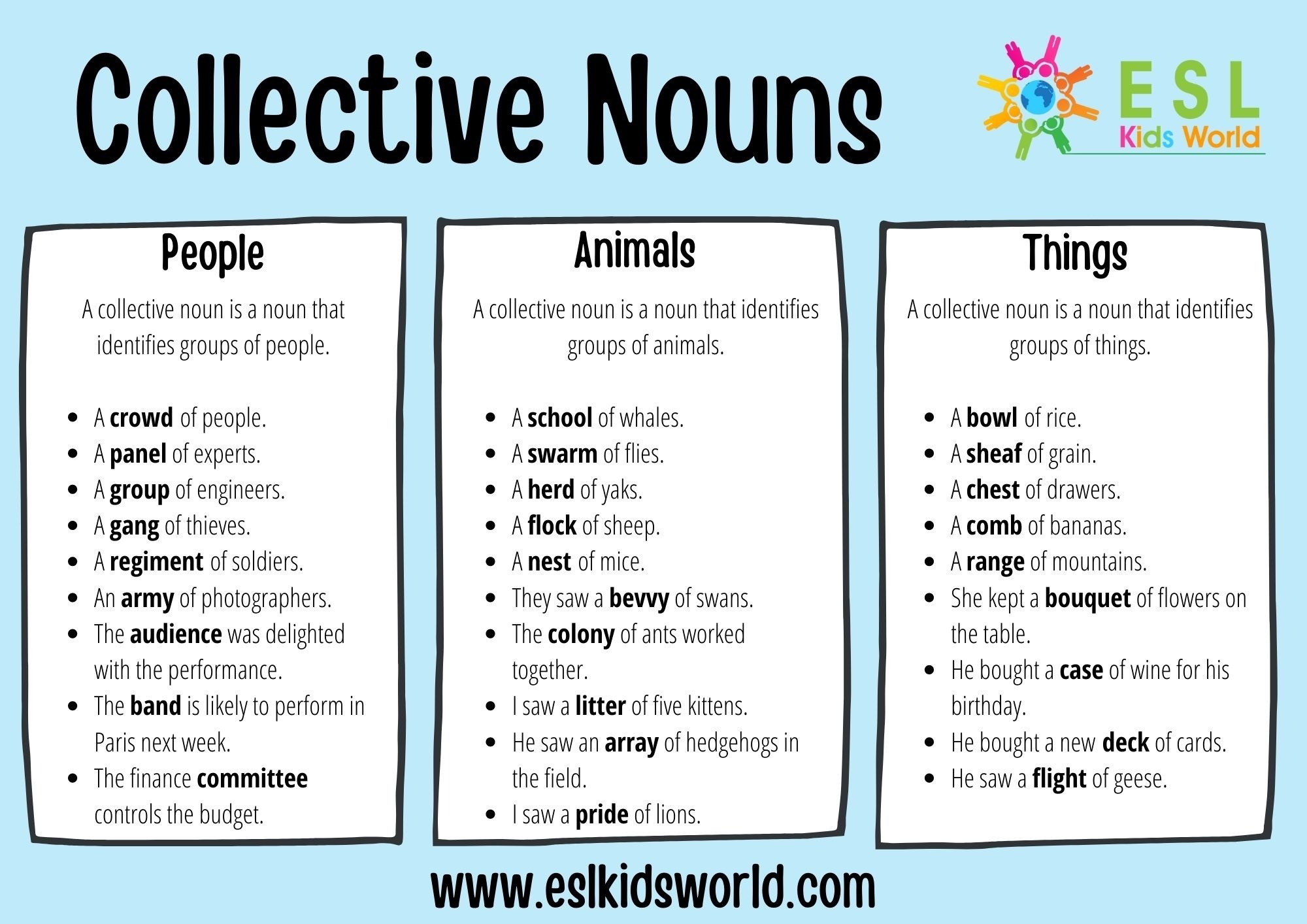
Common Collective Nouns for Animals
There are a plethora of collective nouns for animals that are used in everyday language. Some of the most common ones include:
- A herd of cows
- A pack of wolves
- A swarm of bees
- A pride of lions
- A pod of dolphins
Each of these collective nouns paints a unique picture of the animals they describe, capturing the essence of their behavior and characteristics when they are in a group.
One of the fascinating aspects of collective nouns is that they often reflect the social structure or behavior of the animals they describe. For example, a “parliament of owls” reflects the wise and solemn nature of these birds, while a “gaggle of geese” captures the noisy and chaotic nature of a group of geese.
While some collective nouns may seem whimsical or even humorous, they have stood the test of time and continue to be used in everyday language. They add color and depth to our descriptions of animals and help us to appreciate the intricacies of the natural world.
In conclusion, collective nouns for animals are not only a fun linguistic quirk but also a practical tool for effective communication. They offer a glimpse into the social structures and behaviors of various animal species and allow us to express ourselves in a more creative and colorful way. So, the next time you come across a “murder of crows” or a “pride of lions,” take a moment to appreciate the beauty and richness of language.