When it comes to writing, understanding the difference between active voice and passive voice is crucial. Active voice is a type of sentence or clause in which the subject performs the action expressed by the verb, while passive voice is when the subject of the sentence receives the action. Using active voice can make your writing more clear, concise, and engaging.
On the other hand, passive voice can sometimes make your writing sound awkward or unclear. It is important to know when to use each type of voice in order to effectively communicate your ideas to your audience.
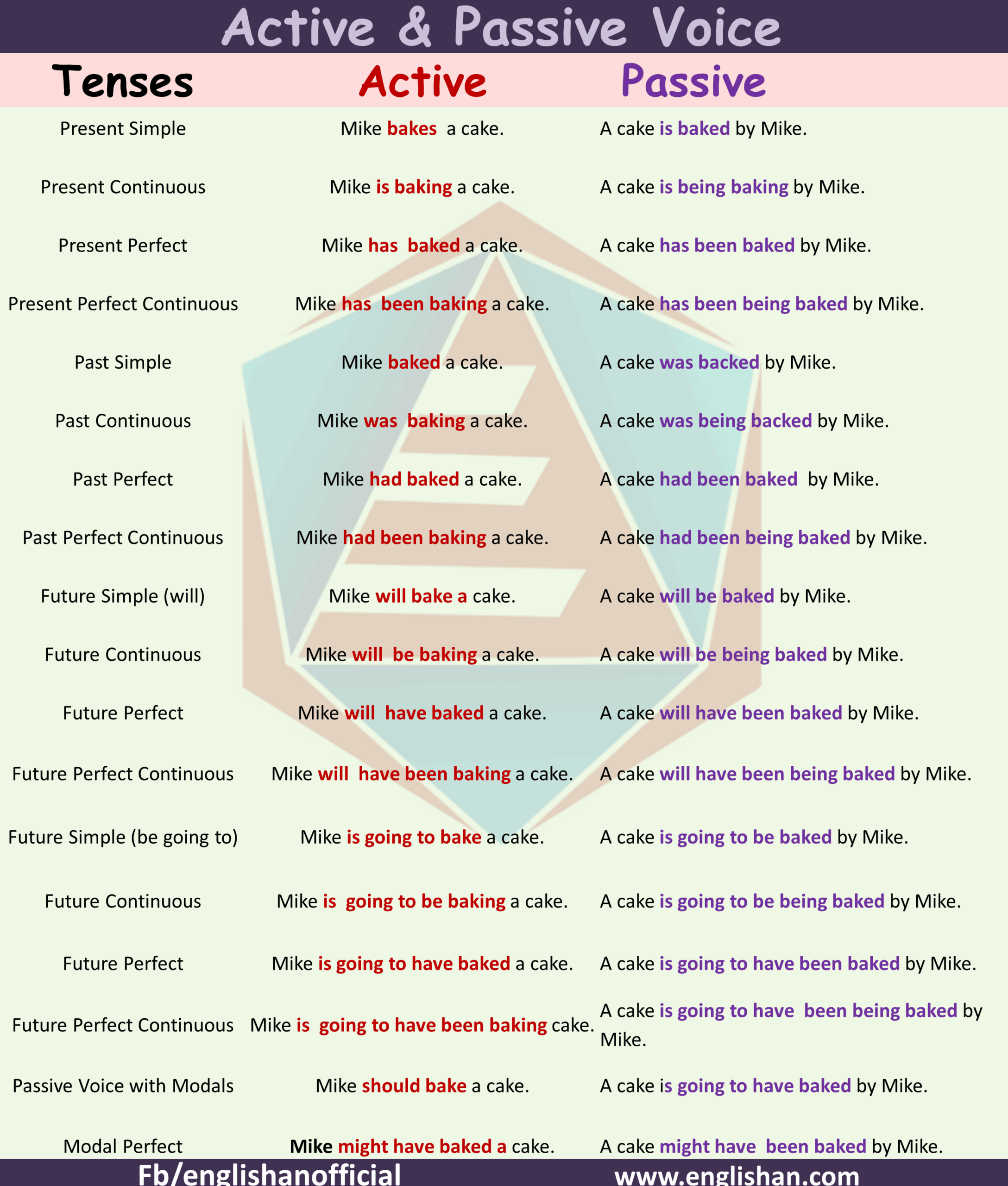
Examples of Active Voice vs Passive Voice
1. Active Voice: The teacher graded the exams.
Passive Voice: The exams were graded by the teacher.
2. Active Voice: The company launched a new product.
Passive Voice: A new product was launched by the company.
3. Active Voice: The chef cooked a delicious meal.
Passive Voice: A delicious meal was cooked by the chef.
4. Active Voice: The team won the championship.
Passive Voice: The championship was won by the team.
5. Active Voice: The artist painted a beautiful landscape.
Passive Voice: A beautiful landscape was painted by the artist.
By comparing these examples, it is clear that active voice is more direct and engaging, while passive voice can sometimes sound impersonal or awkward. It is important to use active voice in your writing to keep your readers interested and to make your ideas clear and easy to understand.
In conclusion, understanding the difference between active voice and passive voice is essential for effective communication. By using active voice in your writing, you can make your sentences more engaging and clear. So next time you sit down to write, remember to choose active voice over passive voice for stronger and more impactful writing.