When learning English grammar, one of the key distinctions that students often struggle with is the difference between the past simple and past perfect tenses. These two tenses are used to talk about actions or events that occurred in the past, but they are used in slightly different contexts. Understanding the nuances between these two tenses can help improve your overall grasp of the English language.
The past simple tense is used to describe actions that happened at a specific point in the past. It is formed by adding ‘-ed’ to regular verbs, or using the irregular conjugations for irregular verbs. For example, “I walked to the store” or “She ate dinner last night” are examples of sentences using the past simple tense. This tense is straightforward and is often used to narrate past events in a chronological order.
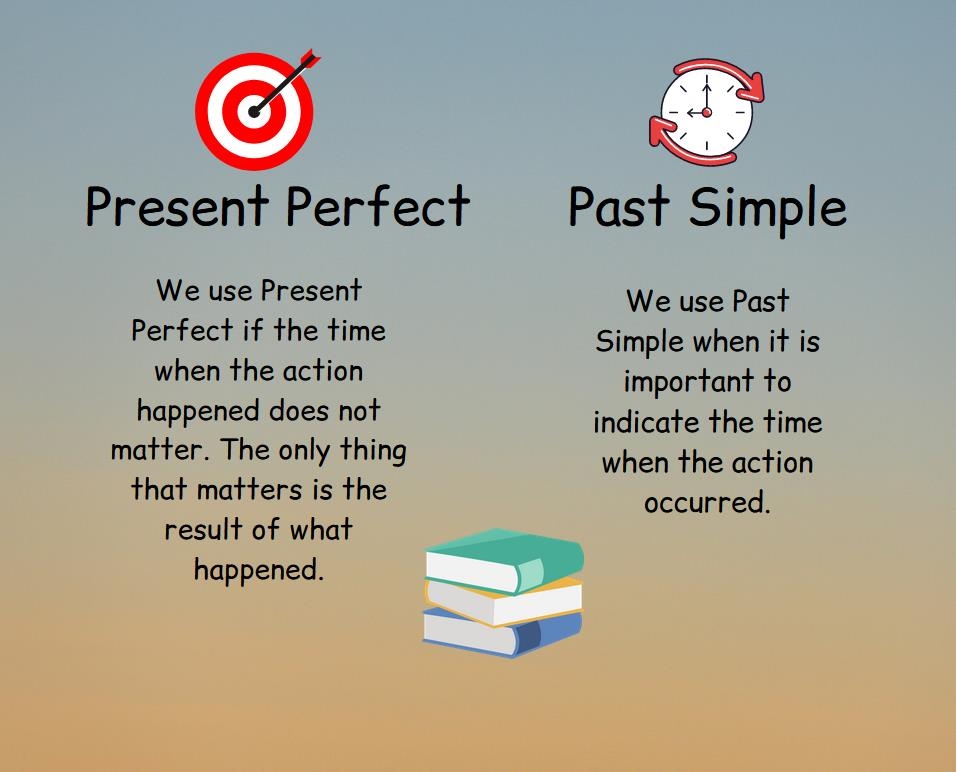
Differences Between Past Simple and Perfect
On the other hand, the past perfect tense is used to describe actions that were completed before another action took place in the past. It is formed by using ‘had’ followed by the past participle of the verb. For example, “I had already finished my homework before the movie started” or “She had never been to Paris before last summer” are examples of sentences using the past perfect tense. This tense is used to show the sequence of events in the past.
One key difference between the past simple and perfect tenses is the timing of the actions. The past simple tense is used for actions that happened at a specific time in the past, while the past perfect tense is used for actions that were completed before another action in the past. Understanding this distinction can help you choose the correct tense when speaking or writing about past events.
Another difference between the two tenses is the emphasis on completion. The past perfect tense emphasizes that an action was completed before another action in the past, while the past simple tense simply states that an action happened at a specific time. This difference in emphasis can help convey more precise information about the timing of events in a narrative.
In conclusion, the past simple and past perfect tenses are important tools in English grammar for talking about past events. By understanding the differences between these two tenses, you can improve your ability to express yourself accurately and effectively when discussing the past. Practice using both tenses in your writing and speaking to solidify your understanding and mastery of English grammar.