When it comes to the English language, understanding the nuances between different verb tenses is crucial for effective communication. Two commonly used tenses that often cause confusion are the past tense and the perfect tense. While both are used to discuss actions that have already occurred, they serve slightly different purposes and have distinct forms.
It is essential to grasp the disparities between the past tense and the perfect tense to ensure clarity and accuracy in your writing. Let’s delve into the specific differences between these two verb forms.
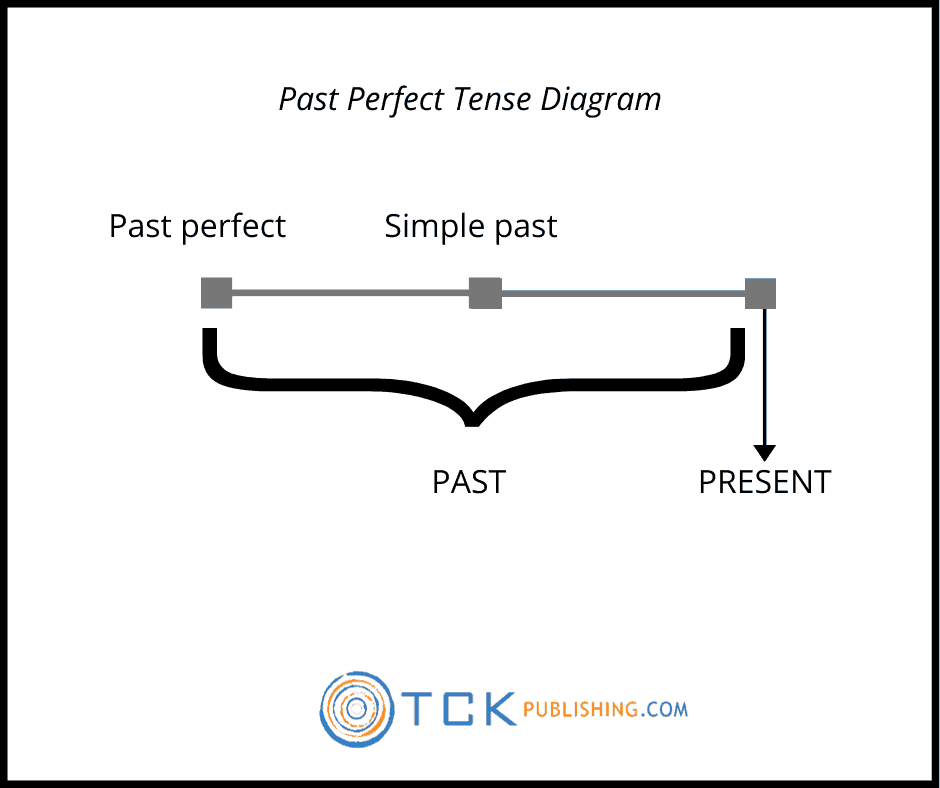
Difference Between Past Tense and Perfect
The past tense simply indicates an action that took place in the past. For example, “She walked to the store.” In this sentence, “walked” is in the past tense, showing that the action occurred in the past. On the other hand, the perfect tense indicates that an action was completed at some point before the present moment. An example of this would be, “She has walked to the store.” Here, “has walked” is in the present perfect tense, indicating that the action of walking to the store was completed before now.
Another key difference between the past tense and the perfect tense is the use of auxiliary verbs. In the past tense, regular verbs are formed by adding “-ed” to the base form of the verb, while irregular verbs have unique past tense forms. However, in the perfect tense, auxiliary verbs such as “has” or “have” are used in conjunction with the past participle of the main verb. This structure helps to convey the completion of an action in relation to the present moment.
Furthermore, the perfect tense allows for the expression of actions that have a continuing relevance to the present. For example, “I have lived in this city for ten years.” In this sentence, the use of the present perfect tense emphasizes the ongoing nature of living in the city, highlighting its relevance to the current moment. The past tense, on the other hand, simply states that an action occurred in the past without any connection to the present.
In summary, while both the past tense and the perfect tense refer to actions that have already happened, the perfect tense adds a layer of completion and relevance to the present moment. By understanding the distinctions between these two verb forms, you can enhance the clarity and precision of your writing.
As you continue to refine your English language skills, remember to practice using both the past tense and the perfect tense in various contexts to master their usage effectively.