Verbs are an essential part of the English language, as they convey actions and states of being. Most verbs follow a standard pattern when it comes to conjugation, but there are some that do not adhere to the usual rules. These verbs are known as abnormal verbs, and understanding their usage can be crucial for effective communication.
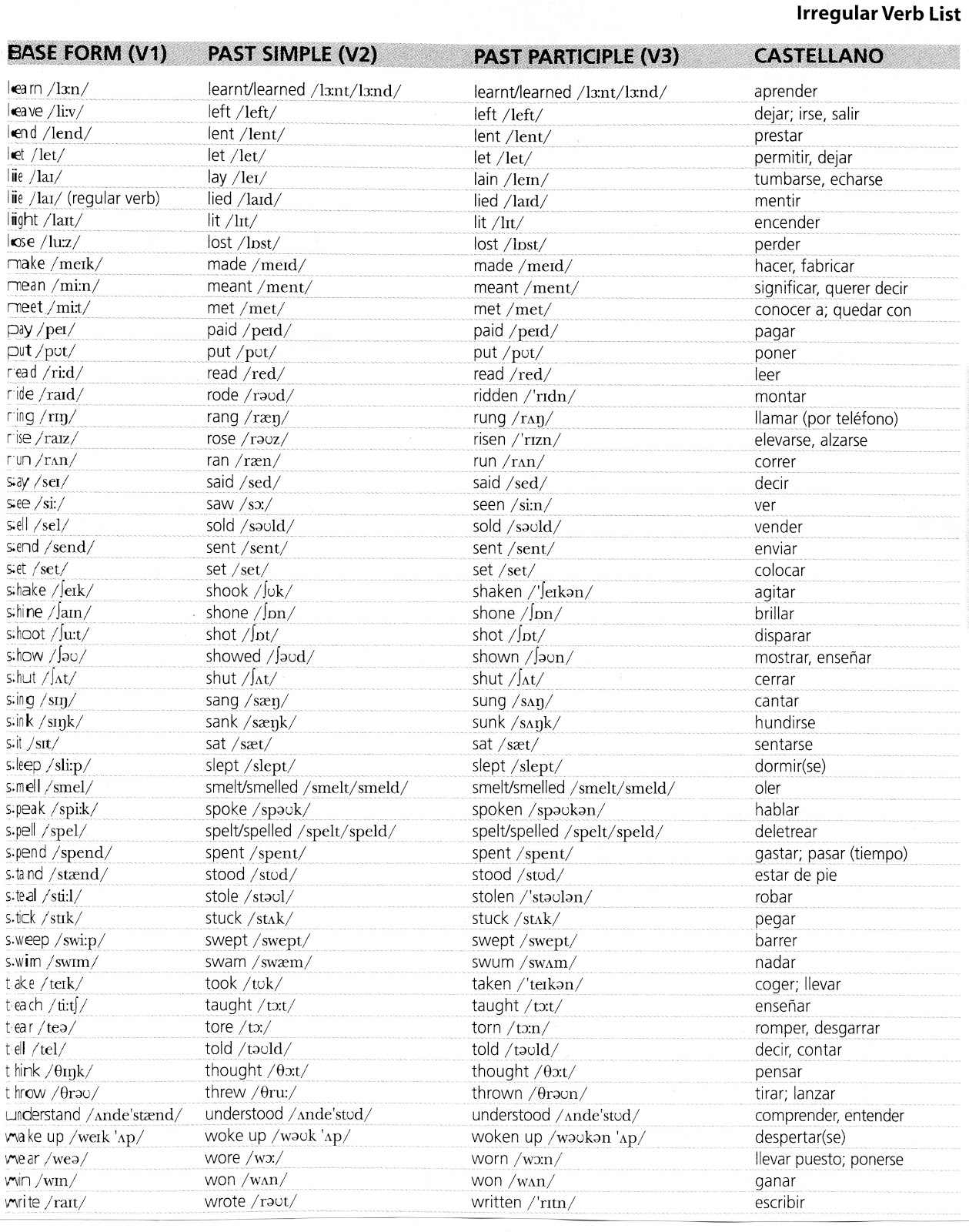
Abnormal verbs, also known as irregular verbs, do not follow the regular patterns of verb conjugation. This means that their past tense, past participle, and present participle forms do not end in -ed like regular verbs. Instead, abnormal verbs have unique forms that must be memorized in order to use them correctly in sentences.
Abnormal Verbs
One common abnormal verb is ‘go’. The past tense of ‘go’ is ‘went’, and the past participle is ‘gone’. This is different from regular verbs, where the past tense and past participle are formed by adding -ed to the base form of the verb. Another example of an abnormal verb is ‘eat’. The past tense of ‘eat’ is ‘ate’, and the past participle is ‘eaten’.
It is important to note that abnormal verbs can be tricky to master, as there are no set rules for their conjugation. Each abnormal verb has its own unique forms that must be memorized through practice and exposure to the language. However, once you become familiar with these irregularities, you will be able to use them confidently in your writing and speech.
Some other common abnormal verbs include ‘come’ (came, come), ‘see’ (saw, seen), and ‘take’ (took, taken). These verbs all have irregular past tense and past participle forms that do not follow the standard -ed pattern. While it may take some time to learn these irregularities, the effort is well worth it for clear and effective communication.
In conclusion, abnormal verbs are an important aspect of the English language that add complexity to verb conjugation. By familiarizing yourself with these irregularities and practicing their usage, you can improve your overall language skills and communicate more effectively. So, don’t be afraid to dive into the world of abnormal verbs and embrace the challenge of mastering their unique forms.