Accounting is the language of business, and like any language, it has its own unique vocabulary. Whether you’re new to the world of finance or looking to brush up on your accounting terminology, understanding these key terms is essential for financial success.
From balance sheets to income statements, knowing the meaning behind common accounting terms can help you make informed decisions about your finances. Let’s dive into some essential accounting vocabulary to help you navigate the world of money management.
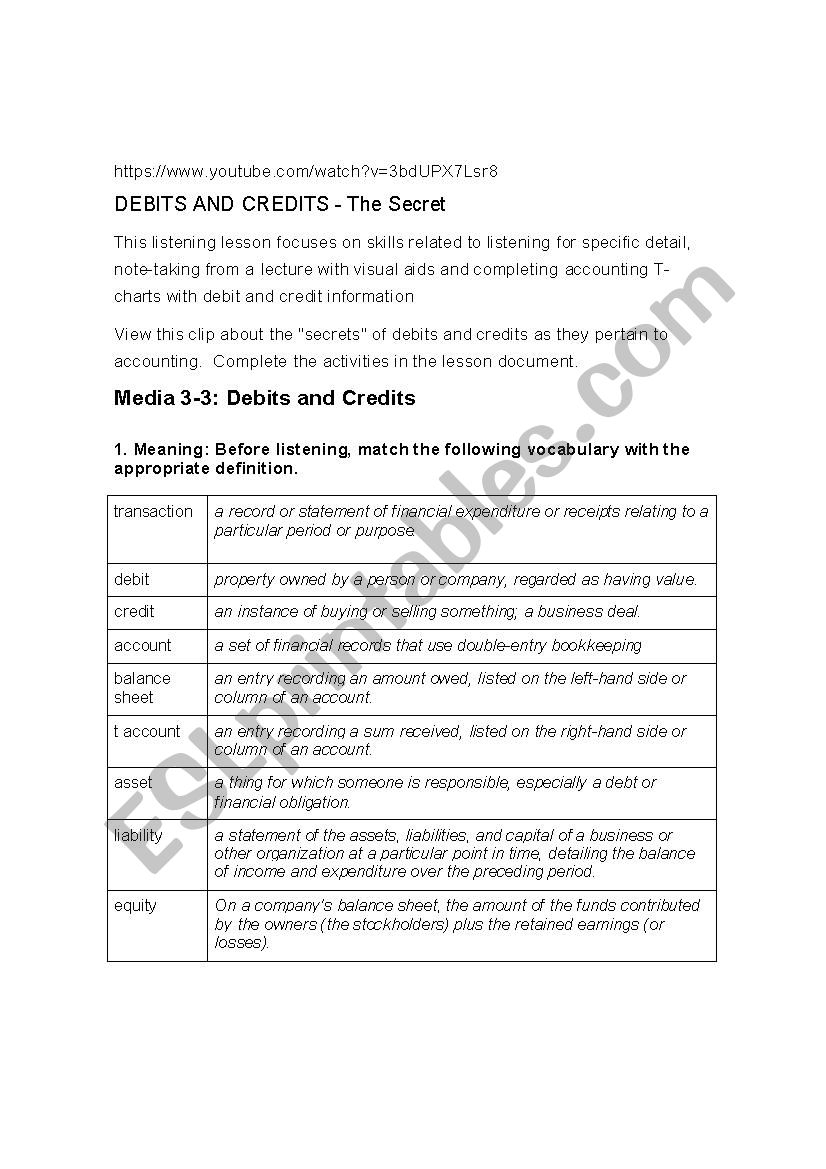
Accounting Vocabulary
1. Assets: These are resources owned by a business that have economic value, such as cash, inventory, or property.
2. Liabilities: These are debts or obligations owed by a business to external parties, such as loans or accounts payable.
3. Revenue: This is the income earned by a business from its normal operations, such as sales of products or services.
4. Expenses: These are the costs incurred by a business in order to generate revenue, such as wages, rent, or utilities.
5. Profit: This is the amount of money a business earns after deducting expenses from revenue.
Understanding these basic accounting terms can help you interpret financial statements, track your business’s performance, and make informed decisions about your financial future. Whether you’re running a small business or managing your personal finances, having a solid grasp of accounting vocabulary is key to financial success.
In conclusion, mastering accounting vocabulary is essential for anyone looking to take control of their finances. By familiarizing yourself with these key terms and concepts, you can better understand your financial situation, make informed decisions, and set yourself up for long-term success. So don’t be intimidated by the world of finance – arm yourself with knowledge and watch your financial literacy grow.