Adjectives are an essential part of language that help to describe or modify nouns. They add detail and color to our sentences, allowing us to paint a more vivid picture with our words. Adjectives can range from simple words like “big” or “small” to more complex ones like “magnificent” or “enchanting.”
When two adjectives are used together to describe a noun, they can create a more powerful and specific image in the reader’s mind. This combination of adjectives can evoke emotions, set the tone for a scene, or provide important details about the subject being described.
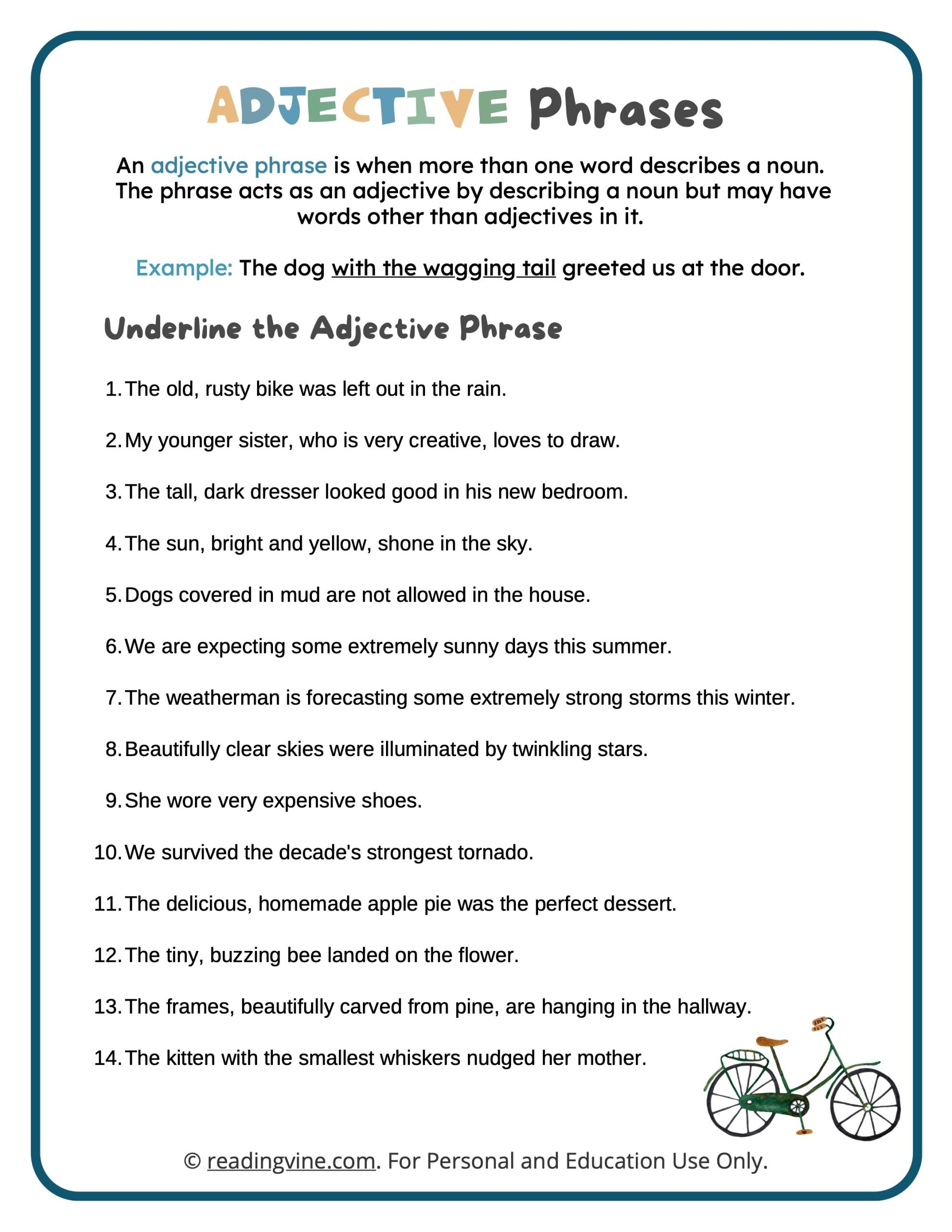
Examples of Adjective and Adjective
One common example of using two adjectives together is in phrases like “beautiful, sunny day” or “dark, stormy night.” By combining these adjectives, we can create a more detailed and vivid image for the reader. Another example could be “tall, imposing building” or “bright, colorful painting.”
Using two adjectives together can also help to emphasize certain qualities of a noun. For instance, saying “delicious, mouth-watering dessert” highlights the tastiness of the dessert, while “fierce, determined competitor” emphasizes the competitor’s strong and unwavering nature.
Additionally, using two adjectives can create a sense of contrast or juxtaposition. For example, describing someone as “sweet, yet unpredictable” adds depth to their character and makes them more interesting and multi-dimensional in the reader’s eyes.
In conclusion, adjectives play a crucial role in language by helping us to add detail, color, and emotion to our writing. When two adjectives are used together, they can create a more powerful and specific image, evoke emotions, emphasize certain qualities, or create a sense of contrast. By mastering the use of adjectives and combining them effectively, we can enhance our storytelling and communication skills.