Understanding Adjectives for Experience
Adjectives play a crucial role in enhancing our descriptions and conveying emotions effectively. When discussing experiences, the right adjectives can transform a simple narrative into a vivid portrayal. They help to paint a picture in the reader’s mind, allowing them to connect with the feelings and sensations associated with an experience. Whether it’s a thrilling adventure or a serene moment, adjectives provide depth and clarity.
In various contexts, such as travel, education, or personal growth, adjectives can significantly influence how we perceive and share our experiences. By choosing descriptive words carefully, we can evoke specific emotions and reactions from our audience. This article will explore a range of adjectives that can be used to describe different types of experiences, enriching our communication and storytelling.
Adjectives for Experience
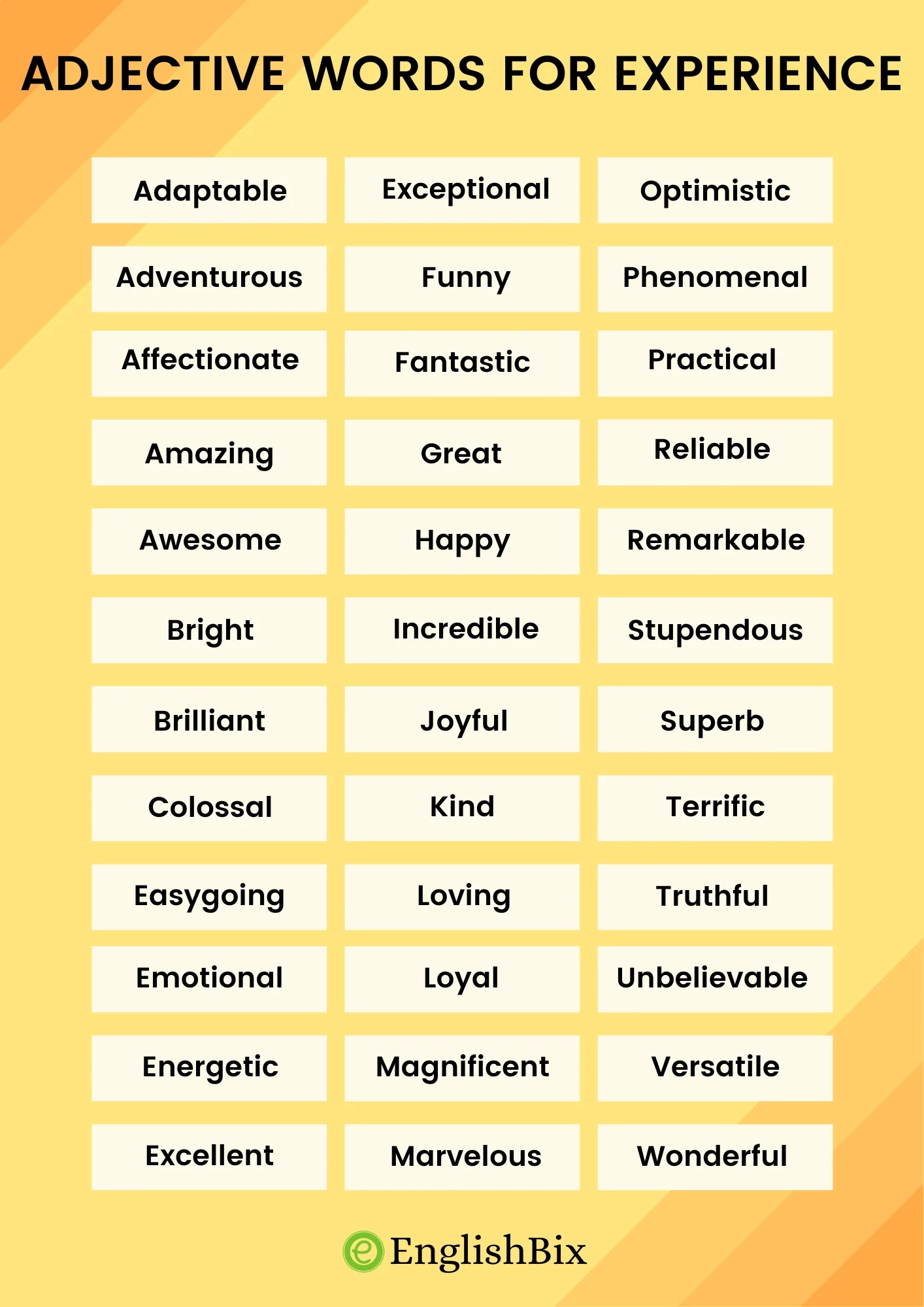
When describing experiences, certain adjectives stand out for their ability to encapsulate feelings and impressions. Here are some categories of adjectives that can enhance your descriptions:
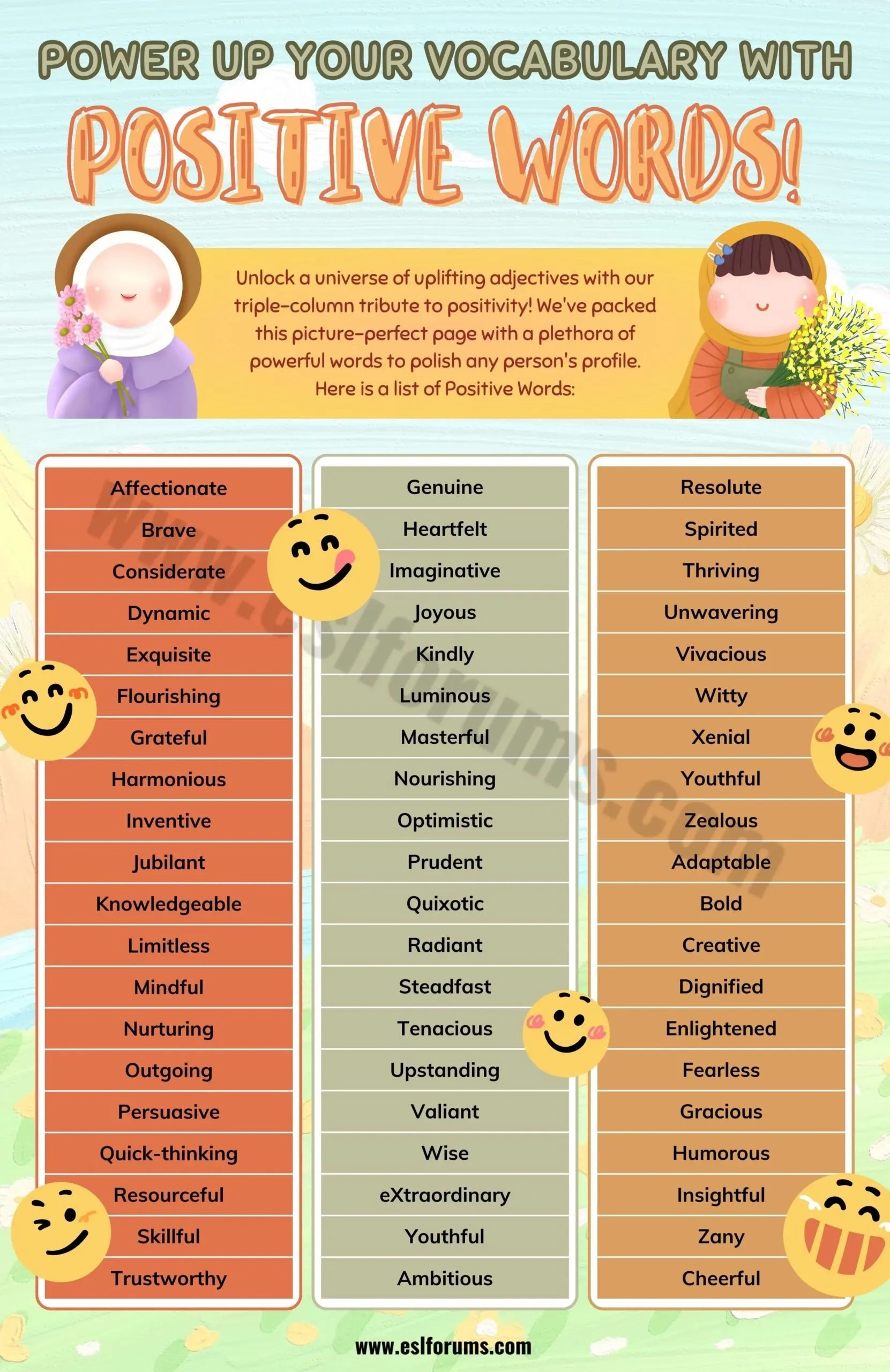
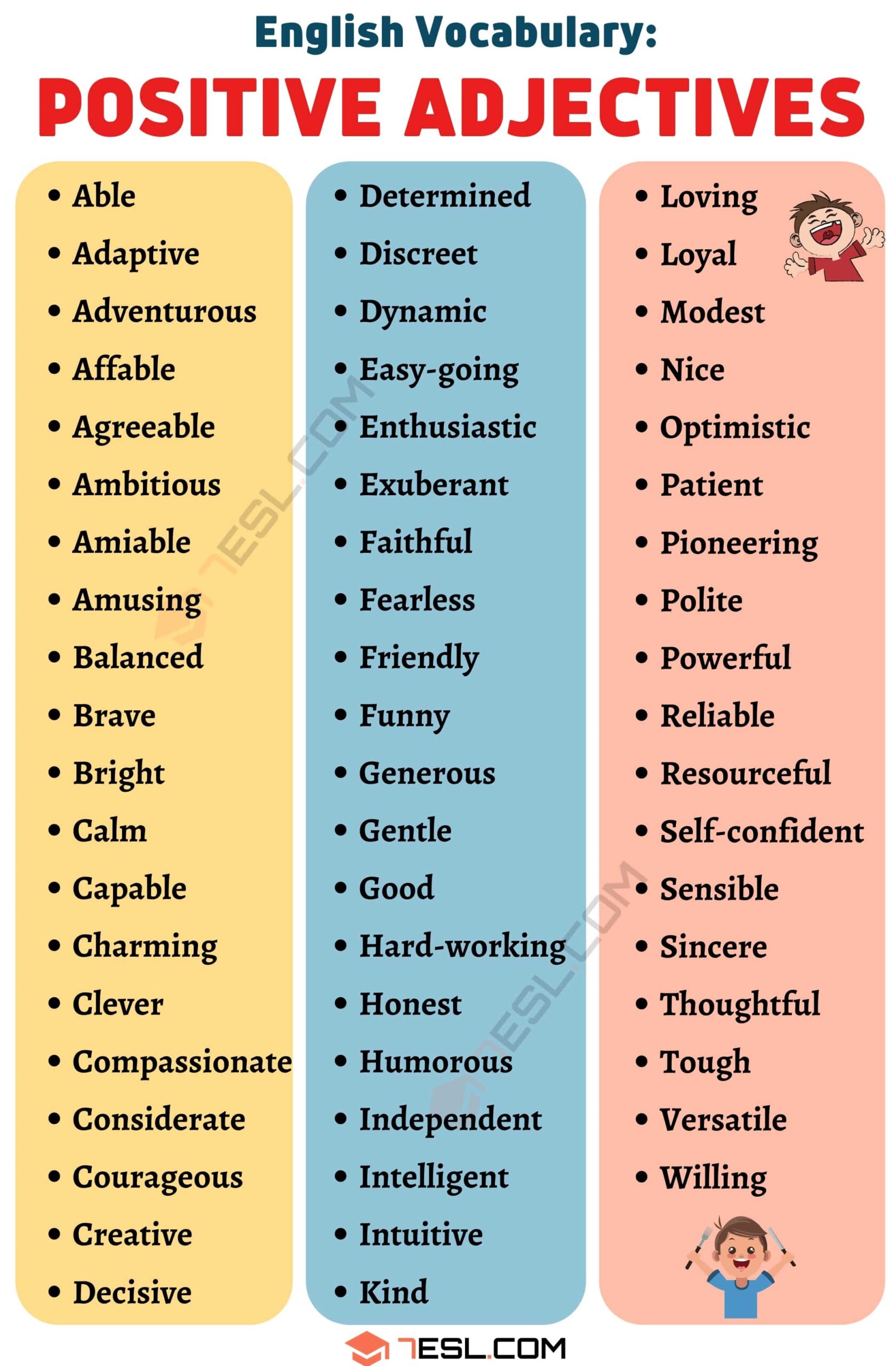
- Positive Adjectives: These words convey joy and satisfaction. Examples include “joyful,” “inspiring,” “enlightening,” and “rewarding.” Such adjectives are often used to describe experiences that leave a lasting positive impact.
- Negative Adjectives: These words express discomfort or dissatisfaction. Examples include “frustrating,” “disappointing,” “tedious,” and “overwhelming.” They are useful when discussing challenging or unpleasant experiences.
- Neutral Adjectives: These words provide a balanced view without strong emotional connotations. Examples include “ordinary,” “average,” “typical,” and “standard.” They are often used to describe experiences that are neither particularly good nor bad.
Additionally, adjectives can also reflect the intensity of an experience. Words like “intense,” “profound,” or “mild” help convey how deeply an experience resonates with an individual. For instance, an “intense” experience might refer to something that evokes strong emotions, while a “mild” experience could indicate something more subdued.
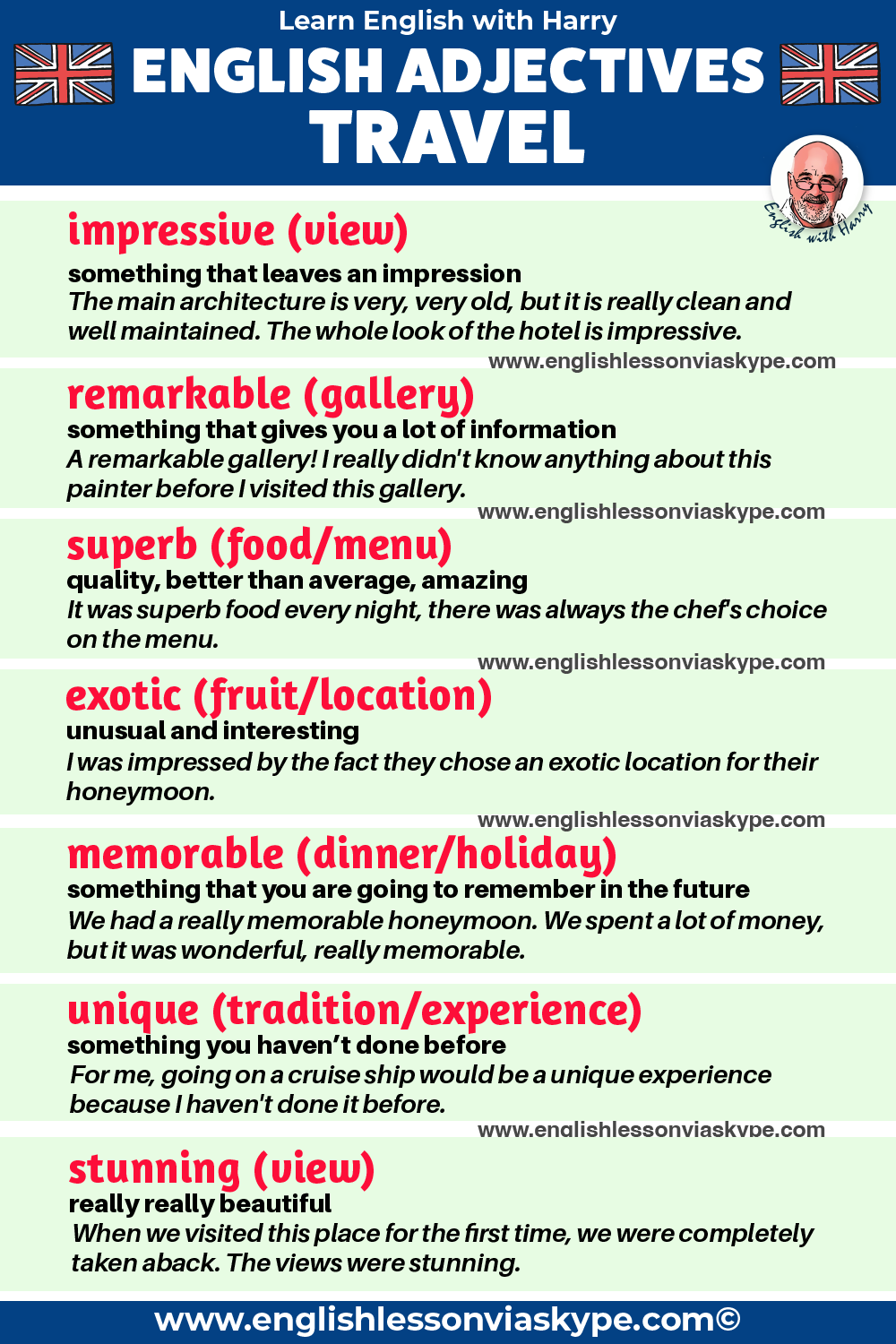
Furthermore, context matters when selecting adjectives for experiences. A travel experience might be described as “breathtaking” or “exhilarating,” while a learning experience could be termed as “transformative” or “enlightening.” Tailoring your adjectives to fit the context enhances the relatability and impact of your narrative.
In conclusion, using the right adjectives can significantly elevate how we share our experiences. By carefully selecting words that reflect the emotional weight and context of our narratives, we can create more engaging and relatable stories. Whether positive, negative, or neutral, adjectives serve as powerful tools in expressing the richness of our experiences.
Download and Print adjectives for experience Listed below