Adverbs are an essential part of speech that modify adjectives, verbs, or other adverbs. They provide additional information about how, when, where, or to what extent an action is performed. Adverbs help to add depth and clarity to sentences, making them more descriptive and engaging for the reader.
Adverbs can be used to modify verbs, providing more information about how an action is carried out. For example, in the sentence “She ran quickly,” the adverb “quickly” modifies the verb “ran” by describing how she ran. Adverbs can also modify adjectives, such as in the sentence “The very tall man stood at the corner.” Here, the adverb “very” modifies the adjective “tall” to indicate the degree of height.
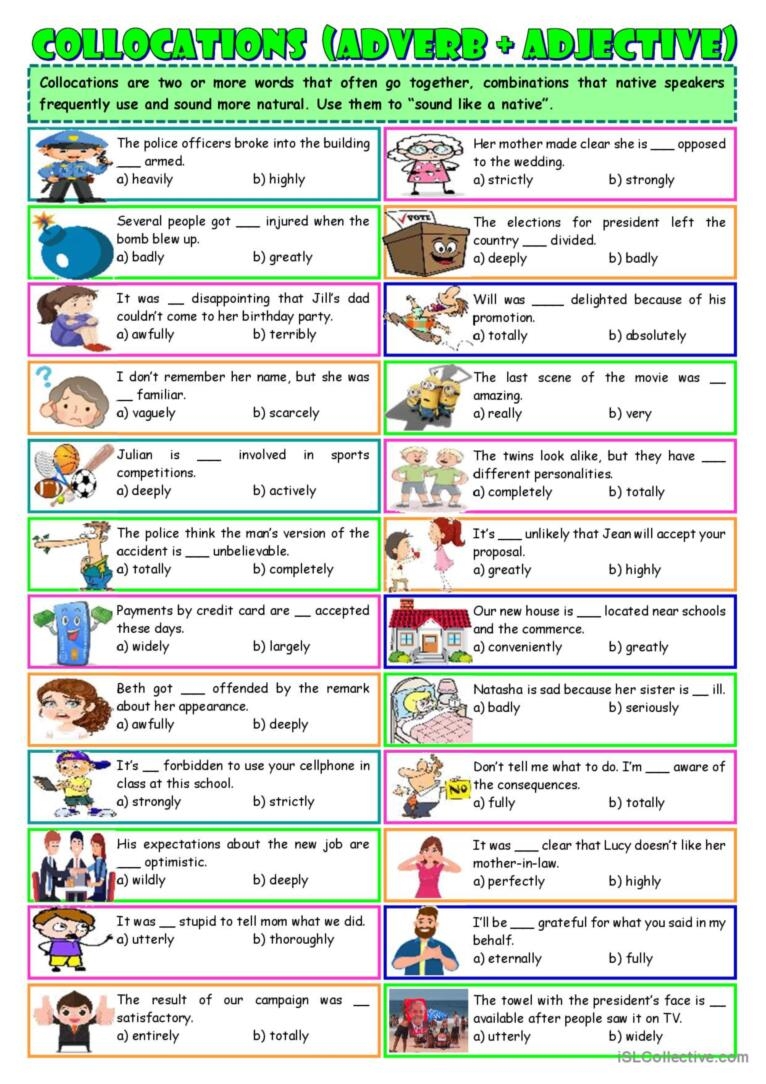
Furthermore, adverbs can also modify other adverbs to provide additional information about the intensity or manner of an action. For instance, in the sentence “He spoke very softly,” the adverb “softly” is modified by the adverb “very” to indicate the degree of softness in his speech. Adverbs play a crucial role in enhancing the meaning and clarity of sentences, allowing writers to convey their thoughts more effectively.
It is important to choose adverbs carefully and use them sparingly in writing. Overusing adverbs can make sentences clunky and repetitive, detracting from the overall flow of the text. Instead, writers should strive to select adverbs that add value to their sentences and enhance the reader’s understanding of the action being described. By using adverbs thoughtfully, writers can create more vivid and engaging prose.
In conclusion, adverbs are a valuable tool in writing that help to add nuance and depth to sentences. By providing additional information about how, when, where, or to what extent an action is performed, adverbs enhance the clarity and descriptive power of writing. Writers should strive to use adverbs judiciously, selecting them carefully to ensure that they enhance rather than detract from the overall quality of their prose.