An adverb is a word that modifies or describes a verb, an adjective, or another adverb. It provides more information about how, when, where, or to what extent something is done. Adverbs play a crucial role in enhancing the meaning of a sentence by adding depth and clarity to the actions or qualities being described.
Adverbs can answer questions such as “how,” “when,” “where,” “why,” and “to what extent.” They can be single words or phrases, and they can appear in various positions within a sentence. Adverbs are versatile and can be used to convey a wide range of meanings and nuances in language.
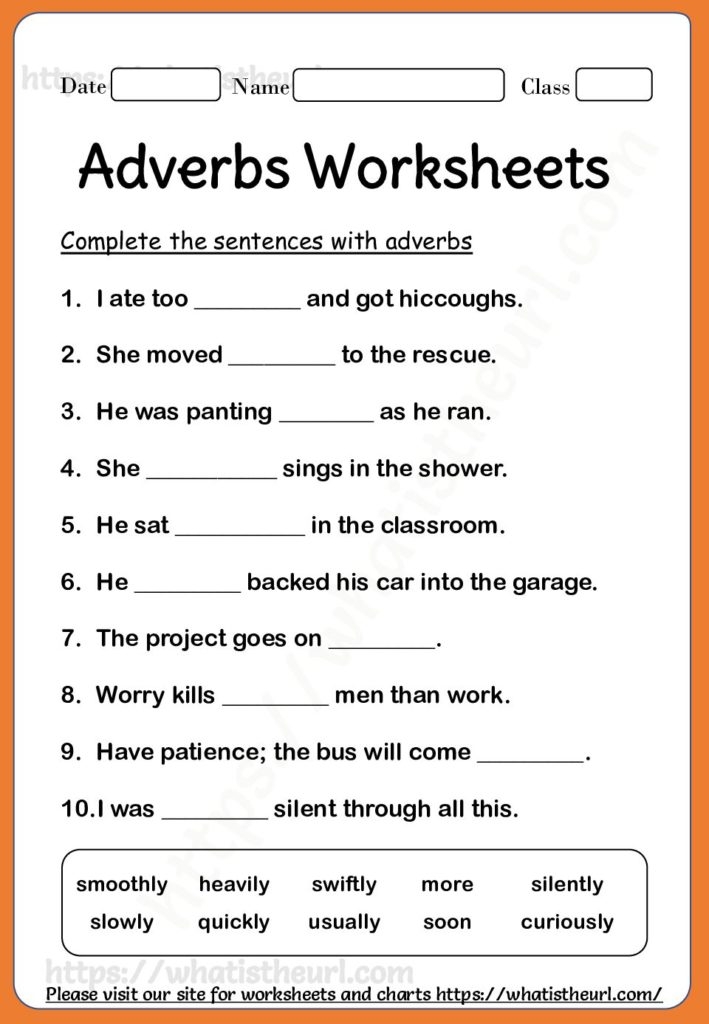
Adverb: What Is It?
Adverbs are often categorized based on the type of information they provide. Some common types of adverbs include adverbs of manner (e.g., quickly, softly), adverbs of time (e.g., now, later), adverbs of place (e.g., here, there), adverbs of frequency (e.g., always, often), and adverbs of degree (e.g., very, quite).
Adverbs can also be used to modify adjectives, other adverbs, or entire sentences. For example, in the sentence “She sings beautifully,” the adverb “beautifully” modifies the verb “sings” by providing information about how she sings. In the sentence “He is quite tall,” the adverb “quite” modifies the adjective “tall” by indicating the degree of his height.
It is important to use adverbs judiciously in writing to avoid redundancy or confusion. Overusing adverbs can make sentences sound cluttered or repetitive. Instead, focus on selecting the most precise adverbs that enhance the meaning of your sentences without overshadowing the main ideas.
In conclusion, adverbs are essential components of the English language that help to provide additional information and context to sentences. By understanding the different types of adverbs and how they function, you can improve your writing and communication skills. Experiment with using adverbs in your own writing to see how they can enhance the clarity and impact of your words.