Pronouns are an essential part of language that help us refer to people, places, things, or ideas without constantly repeating their names. They make communication more efficient and help avoid redundancy in sentences.
There are several types of pronouns, each serving a specific function in a sentence. Understanding and using pronouns correctly is crucial for effective communication.
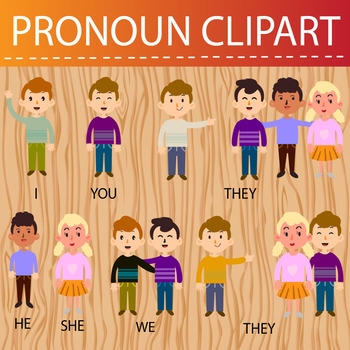
All Pronouns
Pronouns can be categorized into several types, including personal pronouns, possessive pronouns, demonstrative pronouns, indefinite pronouns, reflexive pronouns, interrogative pronouns, and relative pronouns. Each type has its own set of rules and usage in sentences.
Personal pronouns, such as “I,” “you,” “he,” “she,” “it,” “we,” and “they,” replace specific nouns in a sentence. Possessive pronouns, like “mine,” “yours,” “his,” “hers,” “ours,” and “theirs,” show ownership or possession. Demonstrative pronouns, such as “this,” “that,” “these,” and “those,” point to specific things or people.
Indefinite pronouns, like “everyone,” “somebody,” “anyone,” and “nothing,” refer to non-specific or unidentified things or people. Reflexive pronouns, such as “myself,” “yourself,” “himself,” “herself,” “itself,” “ourselves,” and “themselves,” reflect back to the subject of the sentence.
Interrogative pronouns, like “who,” “whom,” “whose,” “which,” and “what,” are used to ask questions. Relative pronouns, such as “who,” “whom,” “whose,” “which,” and “that,” introduce relative clauses in a sentence and connect them to the main clause.
In conclusion, pronouns play a vital role in language by helping us communicate effectively and efficiently. Understanding the different types of pronouns and their usage in sentences is essential for clear and concise communication.