Subject-verb agreement is a crucial aspect of grammar that ensures that the subject and the verb in a sentence agree in number and person. When writing or speaking, it is important to make sure that the verb matches the subject in terms of singular or plural form. This helps to maintain clarity and coherence in communication.
Incorrect subject-verb agreement can lead to confusion and ambiguity in a sentence. It can make the message unclear and may affect the overall effectiveness of communication. To avoid such errors, it is essential to pay attention to the relationship between the subject and the verb in a sentence.
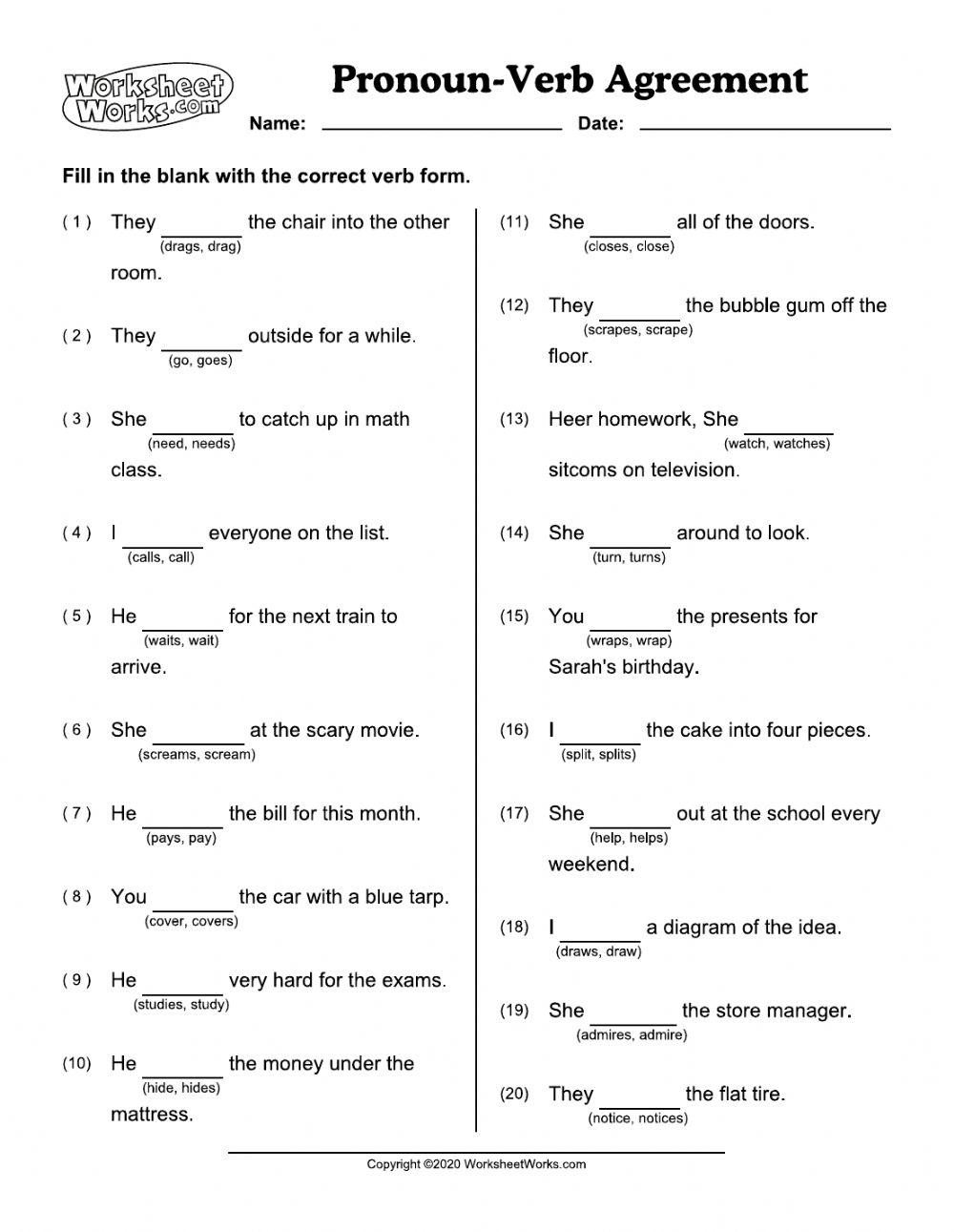
Importance of Subject-Verb Agreement
Subject-verb agreement is essential for maintaining grammatical accuracy in writing. When the subject and the verb do not agree, it can disrupt the flow of the sentence and make it difficult for the reader to understand the intended meaning. For example, saying “The dog barks loudly” is correct, while saying “The dog bark loudly” would be incorrect due to the lack of agreement between the singular subject “dog” and the plural verb “bark.”
One common error in subject-verb agreement occurs with collective nouns. Collective nouns refer to a group of people or things as a single unit. While collective nouns are singular, they can sometimes be followed by a plural verb depending on the context of the sentence. For instance, saying “The team is winning” is correct, while saying “The team are winning” would be incorrect due to the lack of agreement between the singular collective noun “team” and the plural verb “are.”
Another common error in subject-verb agreement is with indefinite pronouns. Indefinite pronouns such as “everyone,” “someone,” and “anybody” are singular and should be followed by singular verbs. For example, saying “Everyone is invited to the party” is correct, while saying “Everyone are invited to the party” would be incorrect due to the lack of agreement between the singular pronoun “everyone” and the plural verb “are.”
Overall, subject-verb agreement is a fundamental aspect of grammar that plays a significant role in effective communication. By ensuring that the subject and the verb in a sentence agree in number and person, writers and speakers can convey their message clearly and accurately.
In conclusion, subject-verb agreement is vital for maintaining grammatical correctness and clarity in communication. By paying attention to the relationship between the subject and the verb in a sentence, individuals can avoid errors and effectively convey their intended message.