Have you ever heard of the term “collective nouns for animals”? These are special words used to describe a group of animals. They add a touch of whimsy and charm to the English language, making it more interesting and colorful. Whether you’re a nature lover or just someone who appreciates the beauty of language, collective nouns for animals are sure to pique your interest.
From a murder of crows to a parliament of owls, these collective nouns paint a vivid picture of the animal kingdom. They not only showcase the creativity of the English language but also reflect the characteristics and behaviors of these animals. It’s fascinating to see how a simple word can capture the essence of a group of creatures, adding a layer of depth and meaning to our understanding of them.
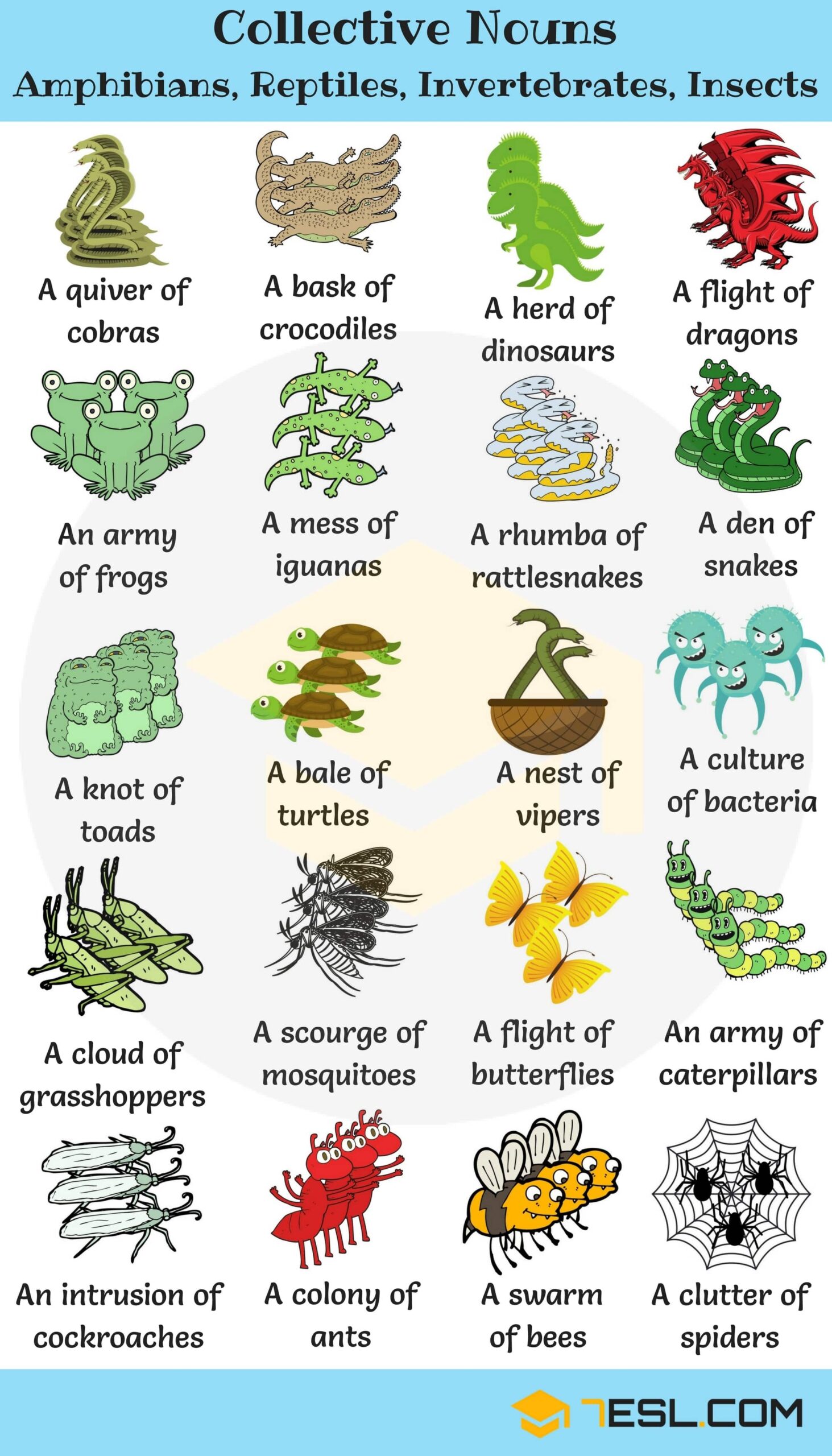
Collective Nouns for Animals
Let’s delve into some of the most intriguing collective nouns for animals. A dazzle of zebras, a crash of rhinoceroses, and a tower of giraffes are just a few examples of how these words can bring a sense of poetry to the animal world. Imagine a leap of leopards gracefully moving through the jungle or a prickle of porcupines defending themselves with their quills. Each collective noun adds a unique flavor to the group it describes, making it stand out in the vast tapestry of the animal kingdom.
Some collective nouns for animals also reflect the social structures and behaviors of the species. For example, a pack of wolves showcases their strong sense of community and cooperation, while a herd of elephants highlights their familial bonds and protective nature. These words not only serve as linguistic quirks but also offer valuable insights into the dynamics of animal groups, shedding light on their intricate relationships and interactions.
As you explore the world of collective nouns for animals, you’ll discover a rich tapestry of words that capture the essence of each species in a unique and poetic way. Whether it’s a parliament of owls or a murder of crows, these collective nouns add a touch of magic to our understanding of the animal kingdom. So next time you encounter a group of animals, take a moment to appreciate the beauty and complexity of their collective noun, and marvel at the wonders of language that bring them to life.
In conclusion, collective nouns for animals offer a delightful glimpse into the diversity and richness of the English language. They not only showcase the creativity and imagination of those who coined them but also provide valuable insights into the world of animals and their social structures. So the next time you encounter a flock of birds or a pod of dolphins, remember the collective noun that defines them and marvel at the beauty of language that encapsulates their essence.