Animals in groups often have specific terms to describe them collectively, known as collective nouns. These unique names add a fun and interesting element to the animal kingdom, highlighting the diversity and complexity of nature. Learning about collective nouns in animals can be both educational and entertaining, providing insight into the social structures and behaviors of different species.
Whether it’s a murder of crows or a parliament of owls, these collective nouns offer a glimpse into the world of animals beyond just their individual identities. Understanding these terms can help us appreciate the interconnectedness and unity within the animal kingdom, showcasing the importance of cooperation and collaboration in the natural world.
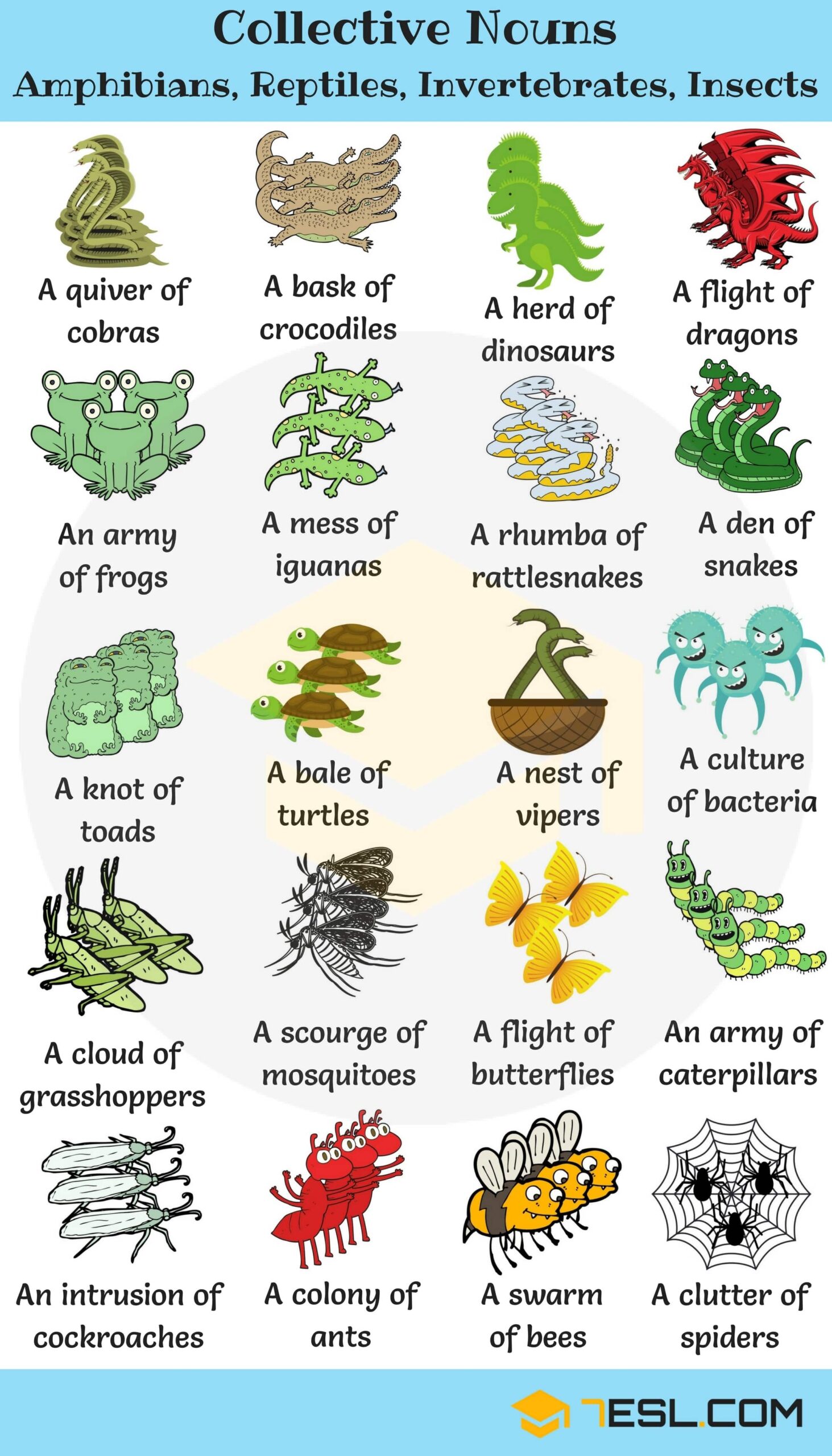
Collective Nouns in Animals
One of the most well-known collective nouns in animals is a herd, often used to describe a group of grazing animals such as cows, deer, or elephants. Similarly, a pack is commonly used for wolves, a pride for lions, and a pod for dolphins. These terms not only help us identify different groups of animals but also reflect their social structures and behaviors.
Some collective nouns are more unique and specific, such as a crash of rhinoceroses, a parliament of owls, or a murder of crows. These terms often have interesting origins and meanings, adding a layer of intrigue to the animal groups they represent. For example, a gaggle of geese refers to a noisy group of these birds, while a dazzle of zebras describes the striking patterns of their herds.
Collective nouns in animals can also vary across different regions and cultures, showcasing the diversity of languages and traditions around the world. For example, a group of kangaroos is often called a mob in Australia, reflecting the country’s unique wildlife and heritage. Similarly, a convocation of eagles is used in North America to describe a gathering of these majestic birds.
Overall, collective nouns in animals offer a fascinating glimpse into the natural world, highlighting the interconnectedness and diversity of species. By learning about these terms, we can gain a deeper appreciation for the social structures and behaviors of different animals, as well as the beauty and complexity of nature as a whole.
In conclusion, collective nouns in animals add a fun and informative element to our understanding of the animal kingdom. From herds and packs to crashes and parliaments, these unique terms reflect the diverse social structures and behaviors of different species, showcasing the complexity and beauty of nature.