Animals, like humans, have their own unique collective nouns to describe groups of them. These collective nouns are not only interesting but also add a touch of whimsy to the English language. From a murder of crows to a pride of lions, these collective nouns paint a vivid picture of the animal kingdom.
Collective nouns are specific words used to describe groups of animals. They are often colorful and imaginative, reflecting the unique characteristics or behaviors of the animals they represent. These collective nouns have been in use for centuries and have become an integral part of the English language.
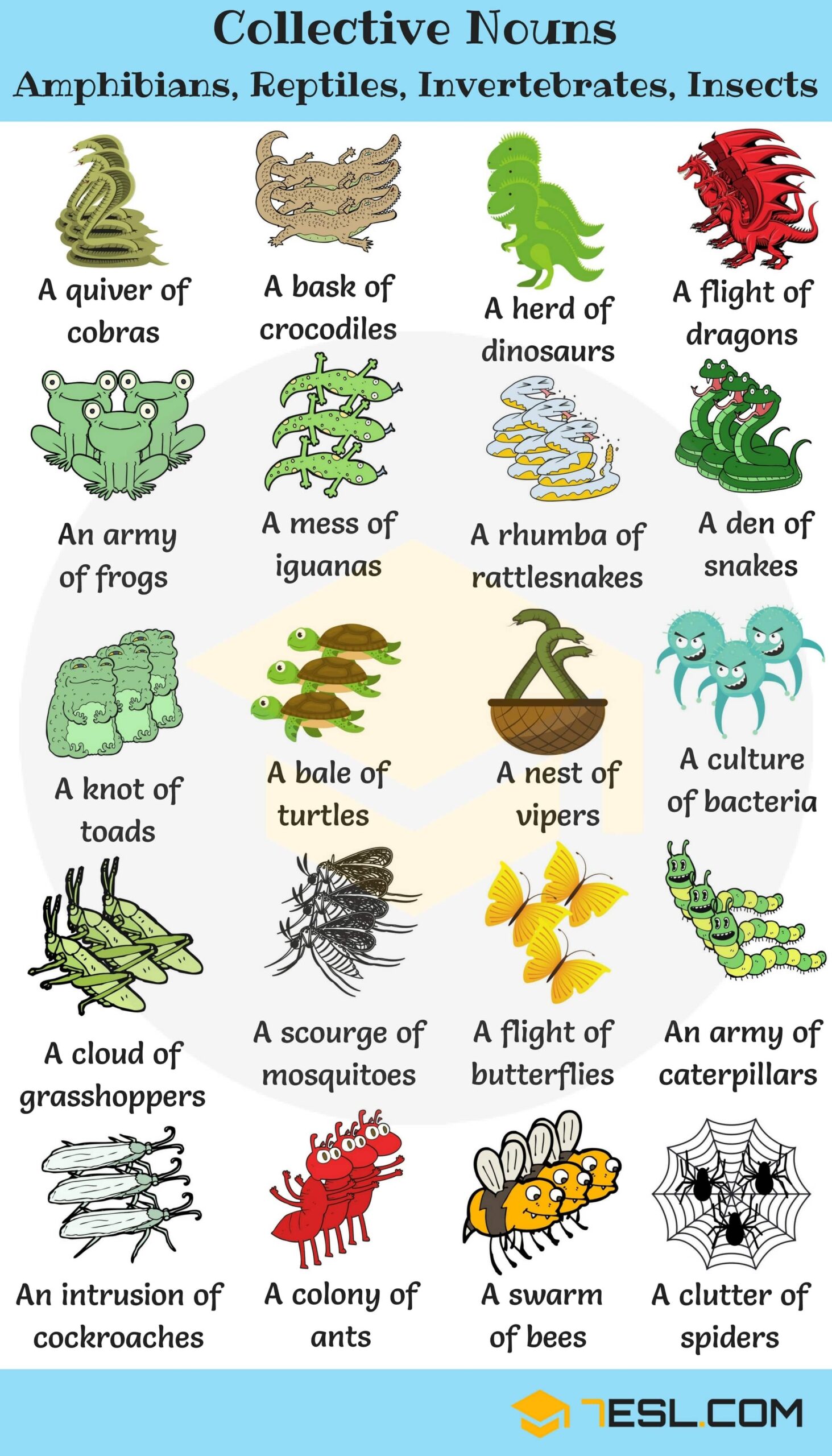
List of Collective Nouns on Animals
Here are some examples of collective nouns on animals:
1. A murder of crows – This phrase refers to a group of crows. It is said to have originated from the superstitious belief that crows gather to decide the fate of fellow crows.
2. A pride of lions – Lions are known for their majestic and regal demeanor. A pride of lions typically consists of several females and their offspring, along with a few male lions.
3. A herd of elephants – Elephants are social animals that live in tight-knit family groups. A herd of elephants can consist of several generations led by a matriarch.
4. A school of fish – Fish are known to swim in groups for protection and coordination. A school of fish moves together in a synchronized manner, creating mesmerizing patterns in the water.
5. A pack of wolves – Wolves are highly social animals that hunt and live together in packs. A pack of wolves typically consists of an alpha male and female, along with their offspring.
These collective nouns not only provide a fun and creative way to describe groups of animals but also offer a glimpse into the behavior and social structures of these creatures.
In conclusion, collective nouns on animals add a touch of charm and interest to the English language. They offer a unique and imaginative way to describe groups of animals, reflecting their behaviors and characteristics. Next time you come across a group of animals, remember to use the appropriate collective noun to add a bit of flair to your description.