When learning Spanish, one of the most important verbs to master is “ir,” which means “to go.” This verb is irregular in its conjugation, so it’s important to practice and memorize its various forms. In this article, we will explore the conjugation of “ir” in different tenses and persons.
Understanding how to properly conjugate “ir” will help you communicate effectively in Spanish and navigate everyday situations such as asking for directions, making plans, or describing past events.
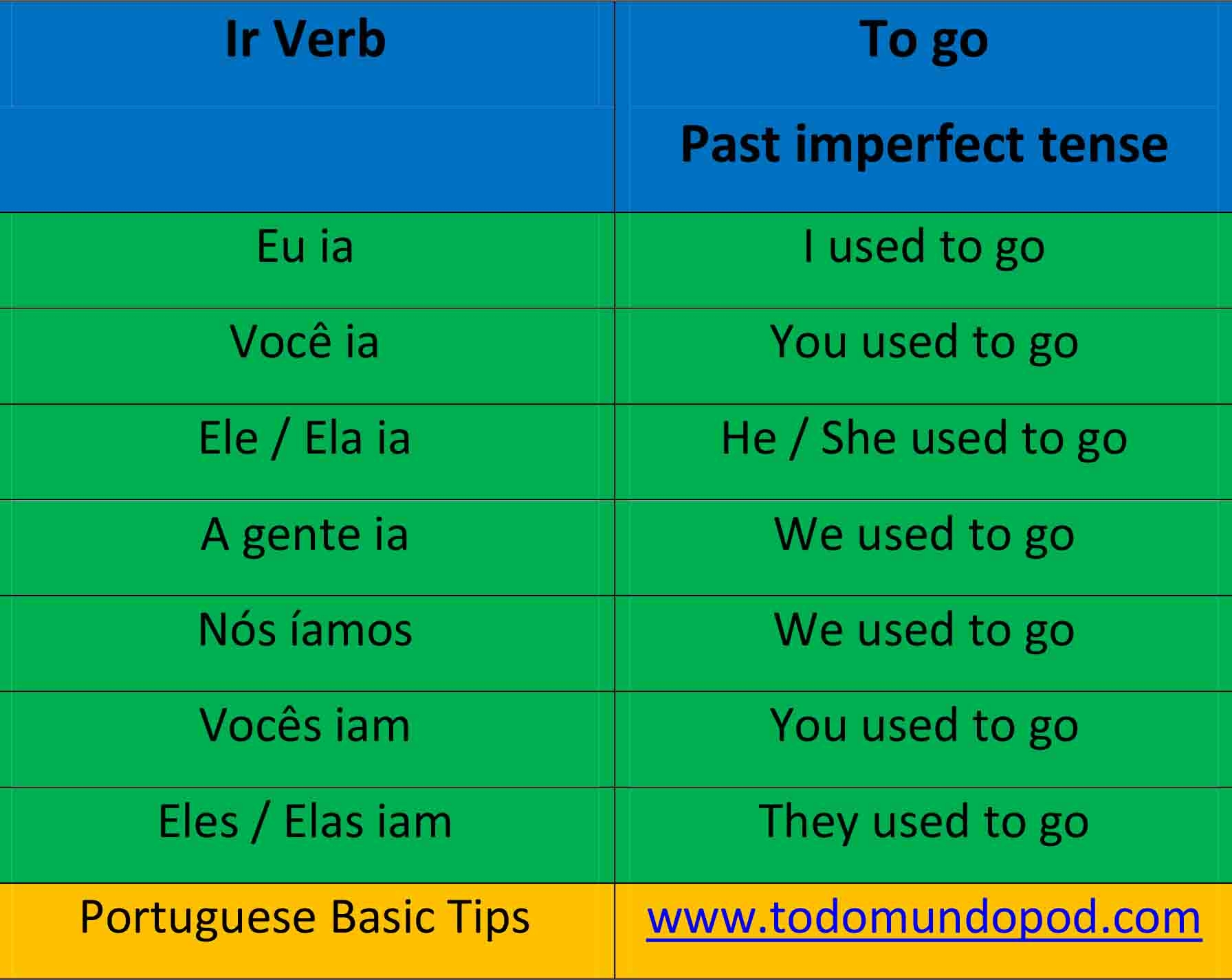
Conjugation of Verb “Ir”
Here is the conjugation of the verb “ir” in the present tense:
Yo voy (I go)
Tú vas (You go)
Él/Ella/Usted va (He/She/You go)
Nosotros/as vamos (We go)
Vosotros/as vais (You all go)
Ellos/Ellas/Ustedes van (They/You all go)
In the preterite tense, the conjugation of “ir” changes slightly:
Yo fui (I went)
Tú fuiste (You went)
Él/Ella/Usted fue (He/She/You went)
Nosotros/as fuimos (We went)
Vosotros/as fuisteis (You all went)
Ellos/Ellas/Ustedes fueron (They/You all went)
When using “ir” in the future tense, the conjugation is as follows:
Yo iré (I will go)
Tú irás (You will go)
Él/Ella/Usted irá (He/She/You will go)
Nosotros/as iremos (We will go)
Vosotros/as iréis (You all will go)
Ellos/Ellas/Ustedes irán (They/You all will go)
It’s important to practice these conjugations regularly to become comfortable using “ir” in different contexts. Whether you are talking about your weekend plans or describing a past vacation, knowing how to conjugate “ir” correctly will help you express yourself accurately in Spanish.
In conclusion, mastering the conjugation of the verb “ir” is essential for anyone learning Spanish. By practicing the various forms of “ir” in different tenses and persons, you will improve your communication skills and feel more confident speaking the language. ¡Buena suerte!