When learning Spanish, one of the most essential verbs to master is “ser.” This verb, meaning “to be,” is used to identify and describe people, places, things, and characteristics. Understanding how to conjugate “ser” is crucial for effective communication in Spanish.
Conjugating verbs in Spanish can be challenging, but with practice and dedication, it becomes easier to grasp. The verb “ser” is irregular in its conjugation, meaning it does not follow the regular pattern of verb conjugation in Spanish. Let’s explore the conjugation of “ser” in different tenses and forms.
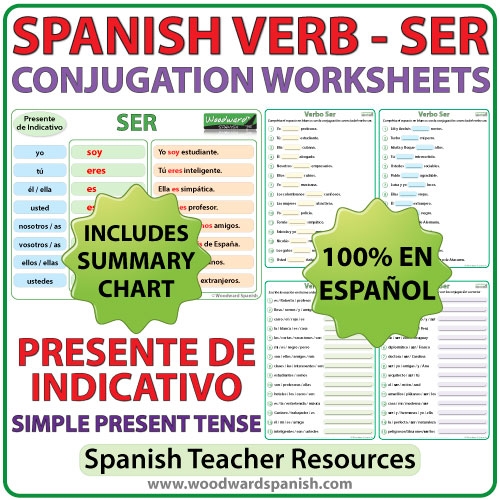
Conjugation of Verb Ser
Present Tense:
Yo soy (I am)
Tú eres (You are)
Él/Ella/Usted es (He/She/You formal are)
Nosotros/Nosotras somos (We are)
Vosotros/Vosotras sois (You all are)
Ellos/Ellas/Ustedes son (They/You all are)
Preterite Tense:
Yo fui (I was)
Tú fuiste (You were)
Él/Ella/Usted fue (He/She/You formal were)
Nosotros/Nosotras fuimos (We were)
Vosotros/Vosotras fuisteis (You all were)
Ellos/Ellas/Ustedes fueron (They/You all were)
Imperfect Tense:
Yo era (I was)
Tú eras (You were)
Él/Ella/Usted era (He/She/You formal were)
Nosotros/Nosotras éramos (We were)
Vosotros/Vosotras erais (You all were)
Ellos/Ellas/Ustedes eran (They/You all were)
Future Tense:
Yo seré (I will be)
Tú serás (You will be)
Él/Ella/Usted será (He/She/You formal will be)
Nosotros/Nosotras seremos (We will be)
Vosotros/Vosotras seréis (You all will be)
Ellos/Ellas/Ustedes serán (They/You all will be)
In conclusion, mastering the conjugation of the verb “ser” is essential for anyone learning Spanish. Practice using the different tenses and forms of “ser” to become more fluent in the language. With dedication and persistence, you can confidently use this important verb in various contexts.