Conjunctivitis, also known as pink eye, is a common eye condition that causes redness, itching, and swelling of the conjunctiva – the thin, transparent layer of tissue that covers the white part of the eye and lines the inside of the eyelid. It can be caused by viruses, bacteria, allergens, or irritants, and is highly contagious.
There are three main types of conjunctivitis: viral, bacterial, and allergic. Viral conjunctivitis is usually associated with symptoms like watery discharge and is highly contagious. Bacterial conjunctivitis often causes a thick, yellow discharge and can be treated with antibiotics. Allergic conjunctivitis is triggered by allergens like pollen or pet dander and is not contagious.
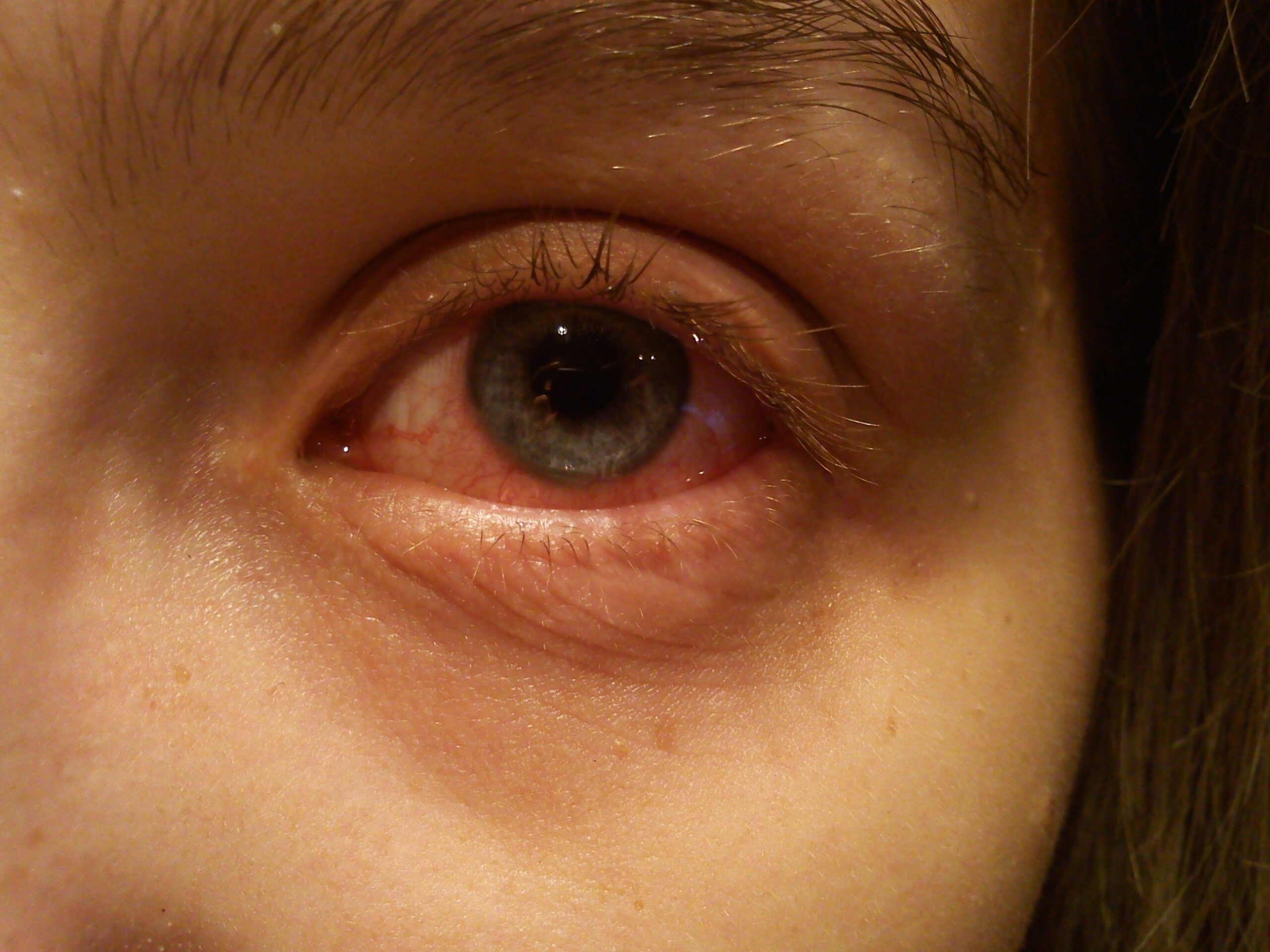
Common symptoms of conjunctivitis include redness in the white of the eye or inner eyelid, increased tear production, itching or burning sensation in the eye, discharge that can form a crust during sleep, and blurred vision. It is important to see a healthcare provider for proper diagnosis and treatment, as some forms of conjunctivitis can lead to complications if left untreated.
Treatment for conjunctivitis depends on the underlying cause. Viral conjunctivitis usually resolves on its own within a few days, while bacterial conjunctivitis may require antibiotic eye drops or ointment. Allergic conjunctivitis can be managed with antihistamine eye drops or oral medications to alleviate symptoms. It is important to practice good hygiene, such as washing hands frequently and avoiding touching the eyes, to prevent the spread of conjunctivitis.
In conclusion, conjunctivitis is a common eye condition that can cause discomfort and affect vision. By understanding the different types of conjunctivitis and seeking prompt medical attention, individuals can receive appropriate treatment and prevent complications. Practicing good eye hygiene and taking steps to reduce exposure to allergens can help prevent the spread of conjunctivitis and promote overall eye health.