Construction is a complex industry that involves various processes and technical terms. Understanding construction vocabulary is essential for anyone working in the field or planning to undertake a construction project. Whether you are a contractor, architect, engineer, or homeowner, knowing the terminology used in construction will help you communicate effectively and ensure the successful completion of your project.
1. Foundation: The base on which a building or structure is built. It provides stability and support for the entire structure.
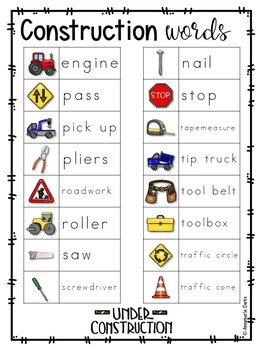
2. Framing: The process of creating the basic framework of a building, including walls, floors, and roofs.
3. HVAC: Heating, ventilation, and air conditioning system that regulates the temperature and air quality in a building.
4. Permit: A legal document issued by the local government authorizing construction or renovation work on a property.
5. Insulation: Material used to prevent heat loss or gain in a building, improving energy efficiency.
Construction projects involve a wide range of specialized terms and jargon that can be overwhelming for beginners. However, familiarizing yourself with these terms can help you navigate the construction process more effectively and collaborate with professionals in the industry.
One of the key aspects of construction vocabulary is understanding the different types of materials used in building projects. From concrete and steel to wood and glass, each material has its unique properties and applications in construction.
Moreover, knowing the terminology related to construction techniques and processes is crucial for ensuring the quality and safety of a project. Terms such as excavation, grading, and waterproofing are essential for understanding the various stages of construction and the roles of different trades and professionals involved.
In conclusion, construction vocabulary plays a vital role in the success of any building project. By familiarizing yourself with the terminology used in the industry, you can communicate effectively with contractors, architects, and other stakeholders, leading to a smoother and more efficient construction process. Whether you are a seasoned professional or a novice in the field, expanding your construction vocabulary will only benefit you in your future projects.