In the English language, pronouns play a crucial role in replacing nouns to avoid repetition and make sentences flow more smoothly. Pronouns are words that can be used in place of nouns, making communication more concise and efficient. They help to simplify language and prevent redundancy in writing and speech.
Using pronouns correctly is essential in effective communication, as they help to clarify the subject or object of a sentence. Without pronouns, sentences would become lengthy and cumbersome, making it difficult for readers or listeners to follow the intended message. Pronouns are versatile words that can refer to people, places, things, or ideas, allowing for greater flexibility in sentence structure.
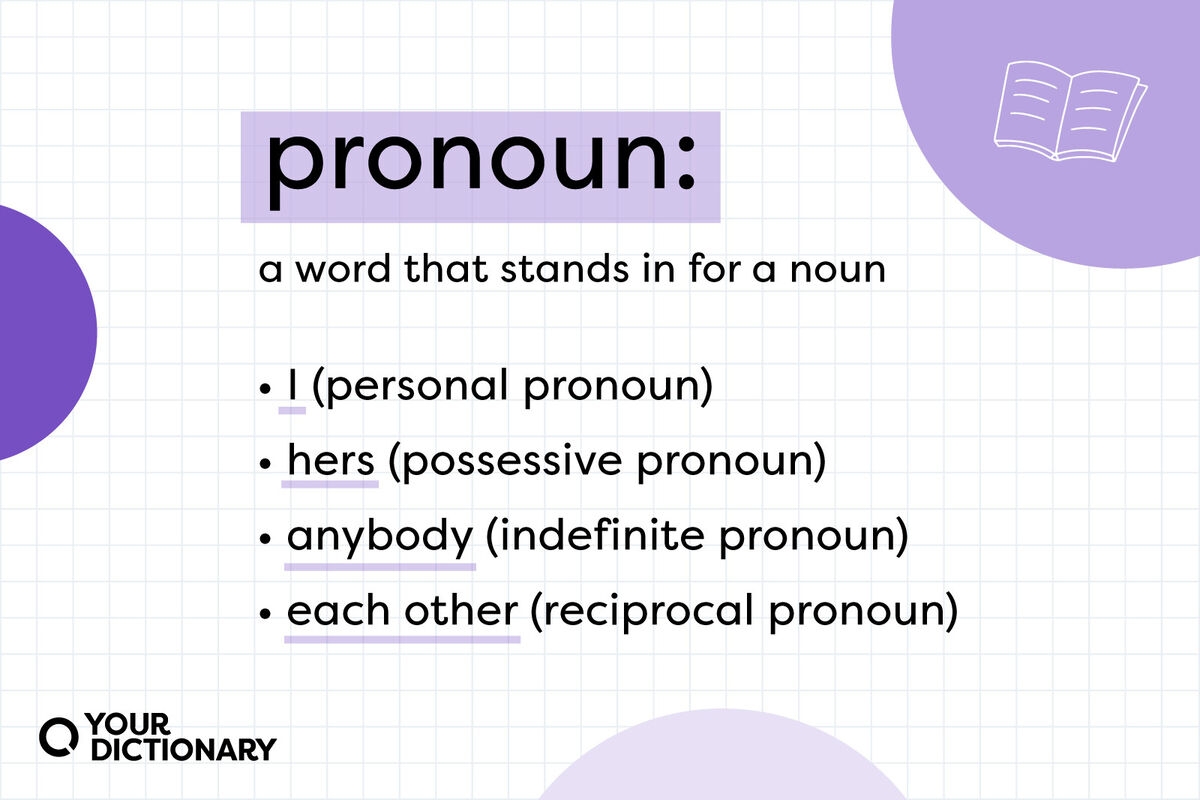
The Definition of Pronoun
A pronoun is a word that takes the place of a noun in a sentence. It can refer to a specific person, thing, or idea without using the actual name or noun repeatedly. Pronouns come in different forms, such as personal pronouns, demonstrative pronouns, relative pronouns, and indefinite pronouns. Each type of pronoun serves a specific purpose in replacing nouns and enhancing sentence clarity.
Personal pronouns, like “he,” “she,” “it,” and “they,” refer to specific individuals or groups without naming them explicitly. Demonstrative pronouns, such as “this” and “that,” point to specific objects or ideas in a sentence. Relative pronouns, like “who,” “which,” and “that,” connect clauses and provide additional information about the subject. Indefinite pronouns, such as “everyone,” “something,” and “anyone,” refer to nonspecific or unknown entities.
By using pronouns effectively, writers and speakers can create more dynamic and engaging communication. Pronouns help to maintain coherence in writing and speech by allowing for smoother transitions between ideas and concepts. They also contribute to the overall flow and structure of a sentence, improving readability and comprehension for the audience.
In conclusion, pronouns are an essential component of language that enable us to communicate more efficiently and effectively. By replacing nouns with pronouns, we can convey our thoughts and ideas with clarity and precision. Understanding the different types of pronouns and how to use them correctly is key to becoming a proficient communicator. So, the next time you write or speak, remember the power of pronouns in enhancing your message and engaging your audience.