When it comes to language, pronouns play a crucial role in communication. They are words that take the place of nouns in a sentence, making it easier to refer to people, places, things, or ideas without constantly repeating the nouns themselves. Pronouns are essential in building clear and concise sentences, whether in writing or speech.
Without pronouns, our language would be cumbersome and repetitive. Imagine having to constantly repeat a person’s name every time you refer to them in a conversation. Pronouns simplify communication and help us express ourselves more efficiently.
Defining Pronouns
Pronouns are words that stand in for nouns. They can refer to specific people or things (like “he,” “she,” “it,” “they”) or be more general (like “someone,” “anything,” “everything”). Pronouns can also indicate the relationship between the speaker and the listener (like “you” and “I”).
There are several types of pronouns, each serving a different purpose in a sentence. Personal pronouns refer to specific people or things (e.g., I, you, he, she, it, we, they). Possessive pronouns show ownership or possession (e.g., mine, yours, his, hers, ours, theirs). Reflexive pronouns are used when the subject and object of a sentence are the same (e.g., myself, yourself, himself). Demonstrative pronouns point to specific things (e.g., this, that, these, those).
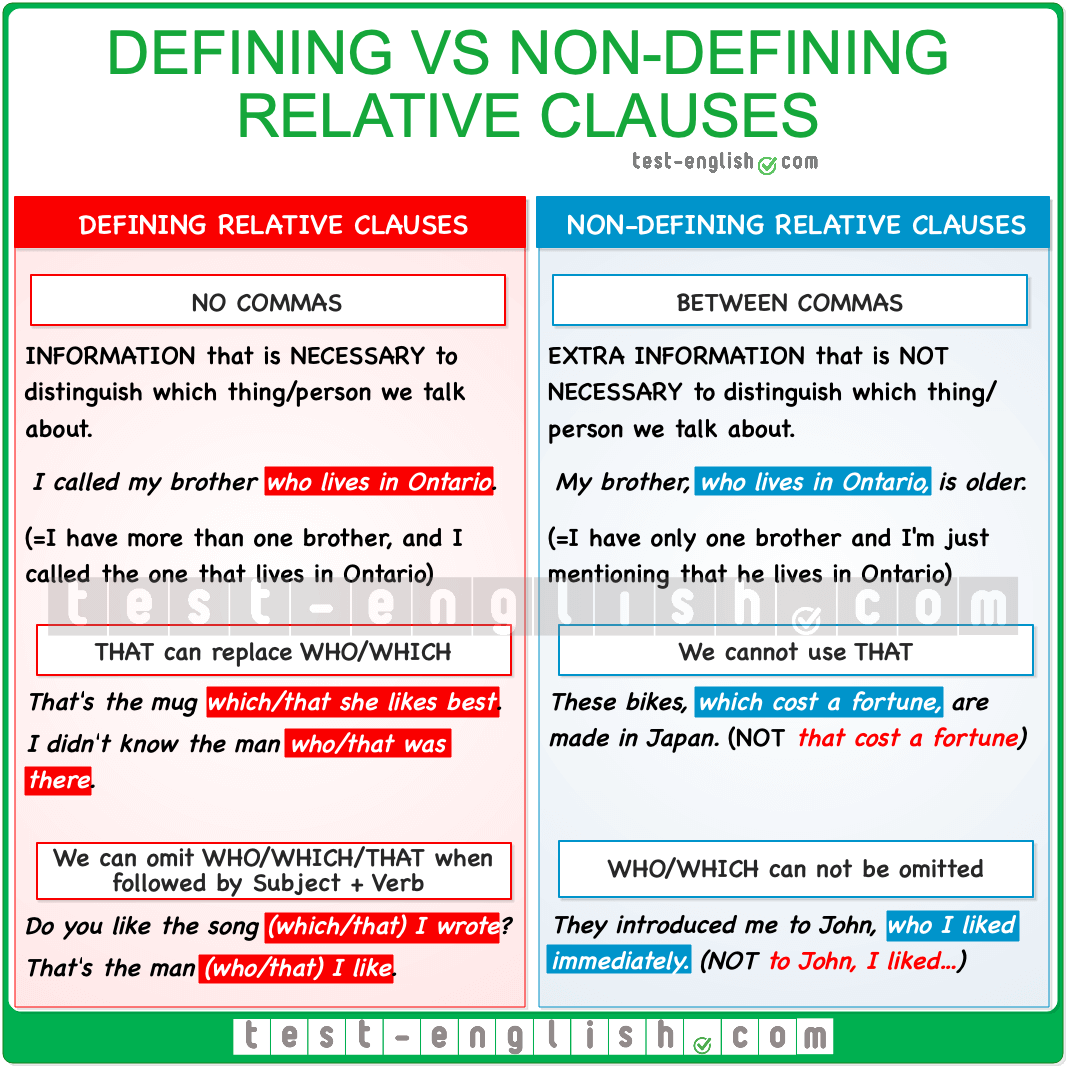
Interrogative pronouns are used to ask questions (e.g., who, whom, whose, which, what). Indefinite pronouns refer to non-specific people or things (e.g., anyone, anything, everyone, everything). Relative pronouns introduce relative clauses in a sentence (e.g., who, whom, whose, which, that).
Understanding the different types of pronouns and how to use them correctly is essential for effective communication. By mastering pronouns, you can enhance your writing and speaking skills, making your language more precise and engaging.
In conclusion, pronouns are indispensable elements of language that help us communicate more efficiently and effectively. By using pronouns correctly, we can avoid repetition and confusion in our sentences, making our communication clearer and more concise. So next time you write or speak, remember the power of pronouns in shaping your message.