In the field of economics, there are numerous terms and concepts that are essential to understanding the principles of how economies function. These terms are used by economists, policymakers, and analysts to describe various economic phenomena and trends. Whether you are a student studying economics or simply interested in the subject, having a good grasp of these terms can help you make sense of economic news and analysis.
From supply and demand to inflation and recession, economics vocabulary encompasses a wide range of concepts that are crucial for understanding how economies operate. By familiarizing yourself with these terms, you can gain a better understanding of economic theories and policies, as well as the factors that influence economic growth and stability.
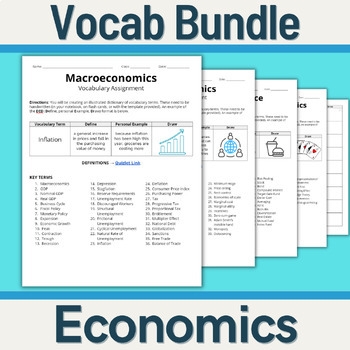
Economics Vocabulary
1. Supply and Demand: This fundamental economic concept describes the relationship between the availability of a product or service (supply) and the desire for that product or service (demand). When supply exceeds demand, prices tend to fall, while when demand exceeds supply, prices tend to rise.
2. Inflation: Inflation refers to the general increase in prices of goods and services over time, leading to a decrease in the purchasing power of a currency. High levels of inflation can erode savings and reduce the standard of living for individuals.
3. Recession: A recession is a period of economic decline characterized by a decrease in economic activity, such as GDP growth, employment, and consumer spending. Recessions can have negative impacts on businesses, households, and governments.
4. Gross Domestic Product (GDP): GDP is a key indicator of an economy’s health and represents the total value of all goods and services produced within a country’s borders in a given period. It is used to measure economic growth and performance.
5. Fiscal Policy: Fiscal policy involves the use of government spending and taxation to influence the economy. Governments may adjust tax rates and spending levels to stimulate economic growth, control inflation, or reduce unemployment.
Understanding these and other economics vocabulary terms can empower you to analyze economic trends, make informed decisions, and engage in discussions about economic policies and issues. By expanding your knowledge of economics vocabulary, you can develop a deeper understanding of how economies function and evolve.
In conclusion, economics vocabulary plays a crucial role in helping individuals comprehend and analyze economic concepts and trends. By familiarizing yourself with these terms, you can enhance your understanding of economic principles and policies, as well as engage in informed discussions about economic matters. Whether you are a student, professional, or interested citizen, having a solid grasp of economics vocabulary can empower you to navigate the complexities of the economic world.