Emotions play a significant role in our daily lives, influencing our thoughts, behaviors, and interactions with others. Being able to accurately identify and express our emotions is crucial for our mental well-being and relationships. One way to enhance our emotional intelligence is by expanding our emotion vocabulary.
Emotion vocabulary refers to the words we use to describe and communicate our feelings. Having a diverse range of emotion words at our disposal enables us to better articulate our inner experiences and connect with others on a deeper level. By learning and using specific emotion vocabulary, we can become more self-aware and empathetic individuals.
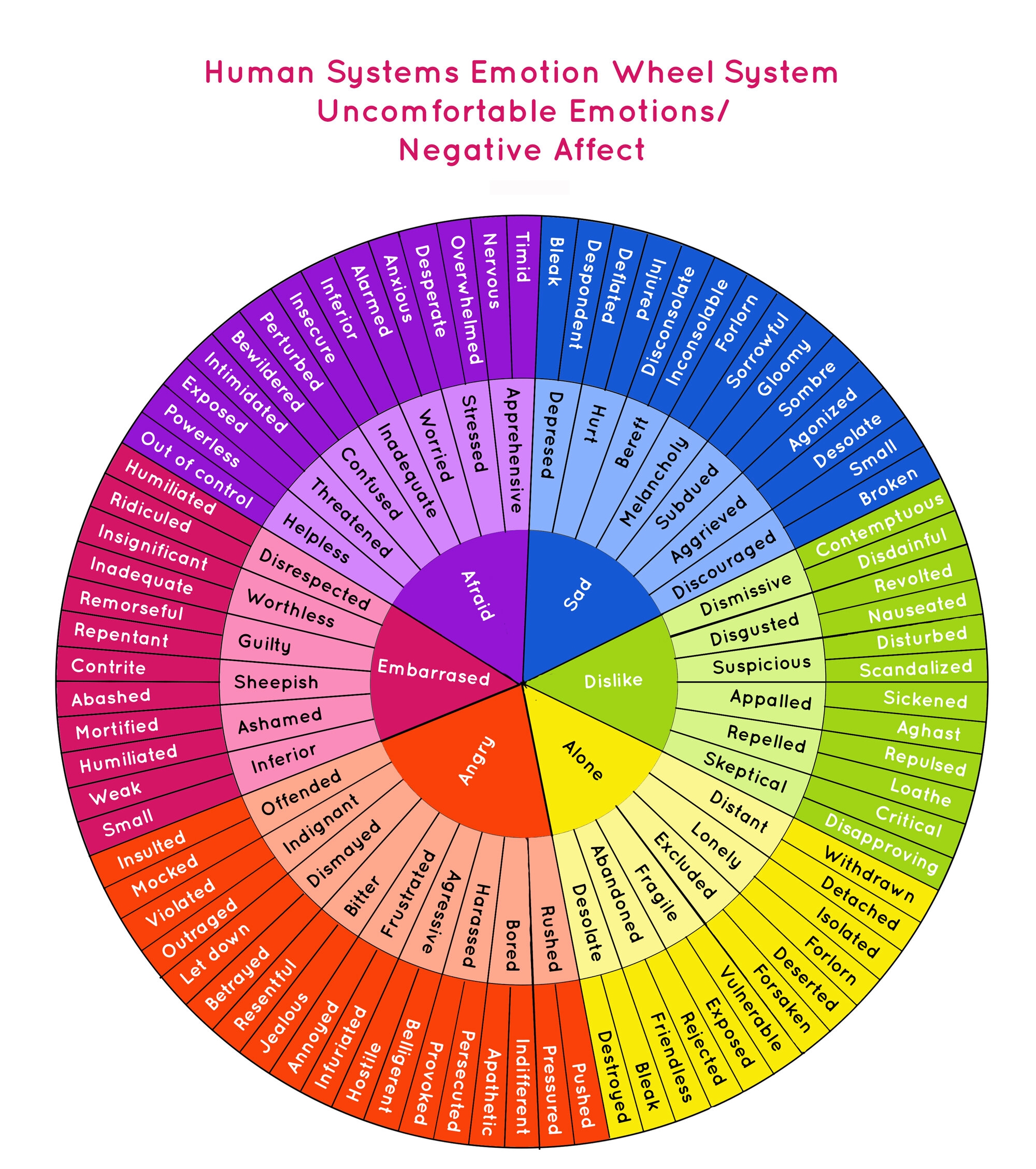
Emotion Vocabulary
1. Joy: A feeling of great pleasure and happiness. Examples include bliss, delight, ecstasy, and jubilation.
2. Anger: A strong feeling of displeasure or hostility. Synonyms for anger include fury, rage, resentment, and indignation.
3. Sadness: A state of unhappiness or sorrow. Words like grief, melancholy, despair, and heartbreak are often associated with sadness.
4. Fear: An unpleasant emotion caused by the belief that someone or something is dangerous. Common fear-related words are anxiety, terror, panic, and phobia.
5. Surprise: A sudden feeling of astonishment or amazement. Surprise can be expressed through words like shock, awe, disbelief, and astonishment.
Expanding our emotion vocabulary allows us to pinpoint and communicate our feelings more accurately. For instance, instead of simply saying “I’m sad,” we could use words like “I’m feeling despondent” or “I’m experiencing profound grief.” This level of precision not only helps us understand our emotions better but also allows others to provide appropriate support and empathy.
In addition to enhancing our emotional intelligence, learning new emotion vocabulary can also improve our communication skills. Being able to express our feelings clearly and effectively can prevent misunderstandings and conflicts in our relationships. Moreover, having a rich emotional vocabulary enables us to connect with others on a deeper level and foster stronger bonds.
In conclusion, developing a robust emotion vocabulary is essential for our emotional well-being and interpersonal relationships. By expanding our repertoire of emotion words, we can better understand and express our feelings, communicate more effectively with others, and cultivate deeper connections. Embracing and utilizing emotion vocabulary is a powerful tool for personal growth and emotional intelligence.