Understanding and expressing emotions is a crucial aspect of human communication. Having a diverse emotional vocabulary allows us to accurately convey how we feel and better connect with others. It enables us to navigate through the complexities of our emotions and foster healthier relationships.
Emotional intelligence plays a significant role in our personal and professional lives. By expanding our emotional vocabulary, we can enhance our emotional intelligence and improve our ability to manage our feelings effectively. This, in turn, can lead to greater self-awareness and empathy towards others.
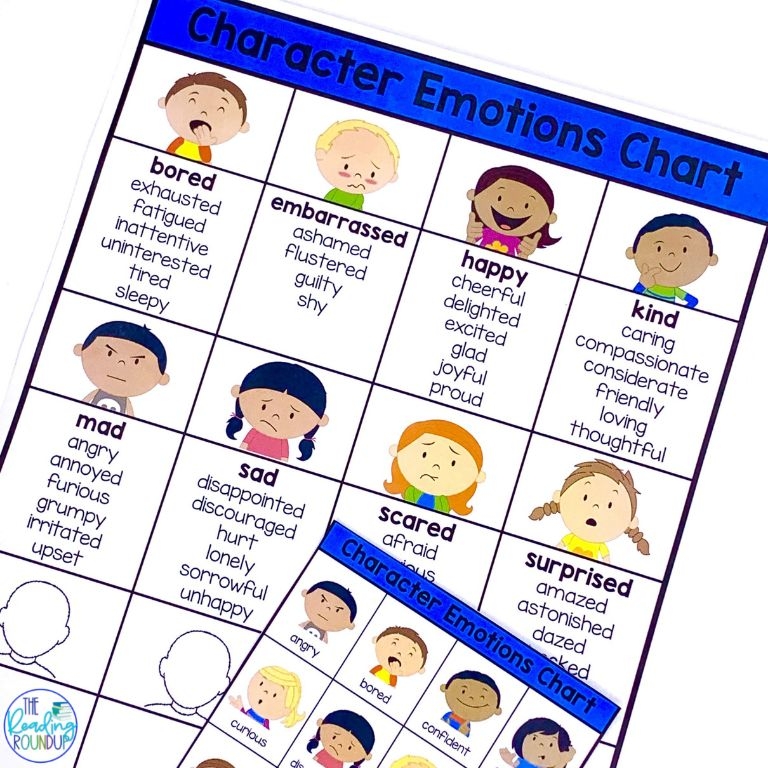
Emotional Vocabulary
Emotional vocabulary refers to the range of words we use to describe our feelings. It encompasses a wide spectrum of emotions, from basic ones like happiness and sadness to more complex ones like nostalgia and ambivalence. By having a rich emotional vocabulary, we can articulate our emotions with precision and depth.
When we lack the words to express how we feel, we may resort to vague or generic terms like “good” or “bad.” This can lead to misunderstandings and miscommunications, as others may not fully grasp the nuances of our emotions. By expanding our emotional vocabulary, we can convey our feelings more accurately and authentically.
Furthermore, having a diverse emotional vocabulary allows us to better understand and regulate our emotions. When we can identify and label our feelings with specific words, we are better equipped to process and manage them effectively. This can help us cope with stress, resolve conflicts, and make informed decisions.
In addition, a robust emotional vocabulary can enhance our interpersonal relationships. When we can articulate our emotions clearly, we can communicate our needs and boundaries more effectively. This fosters open and honest communication, leading to stronger connections and deeper levels of trust with others.
In conclusion, emotional vocabulary plays a crucial role in our emotional intelligence and interpersonal relationships. By expanding our range of emotional words, we can better understand and express our feelings, leading to improved self-awareness, empathy, and communication. Investing in our emotional vocabulary can have a profound impact on our overall well-being and the quality of our relationships.