The English past perfect is a tense that is used to indicate an action that was completed before another action took place in the past. It is a crucial element in English grammar as it helps to provide clarity and accuracy in storytelling or recounting events.
By using the past perfect tense, speakers and writers can convey a sequence of events in a clear and organized manner, making it easier for the audience to understand the timeline of events.
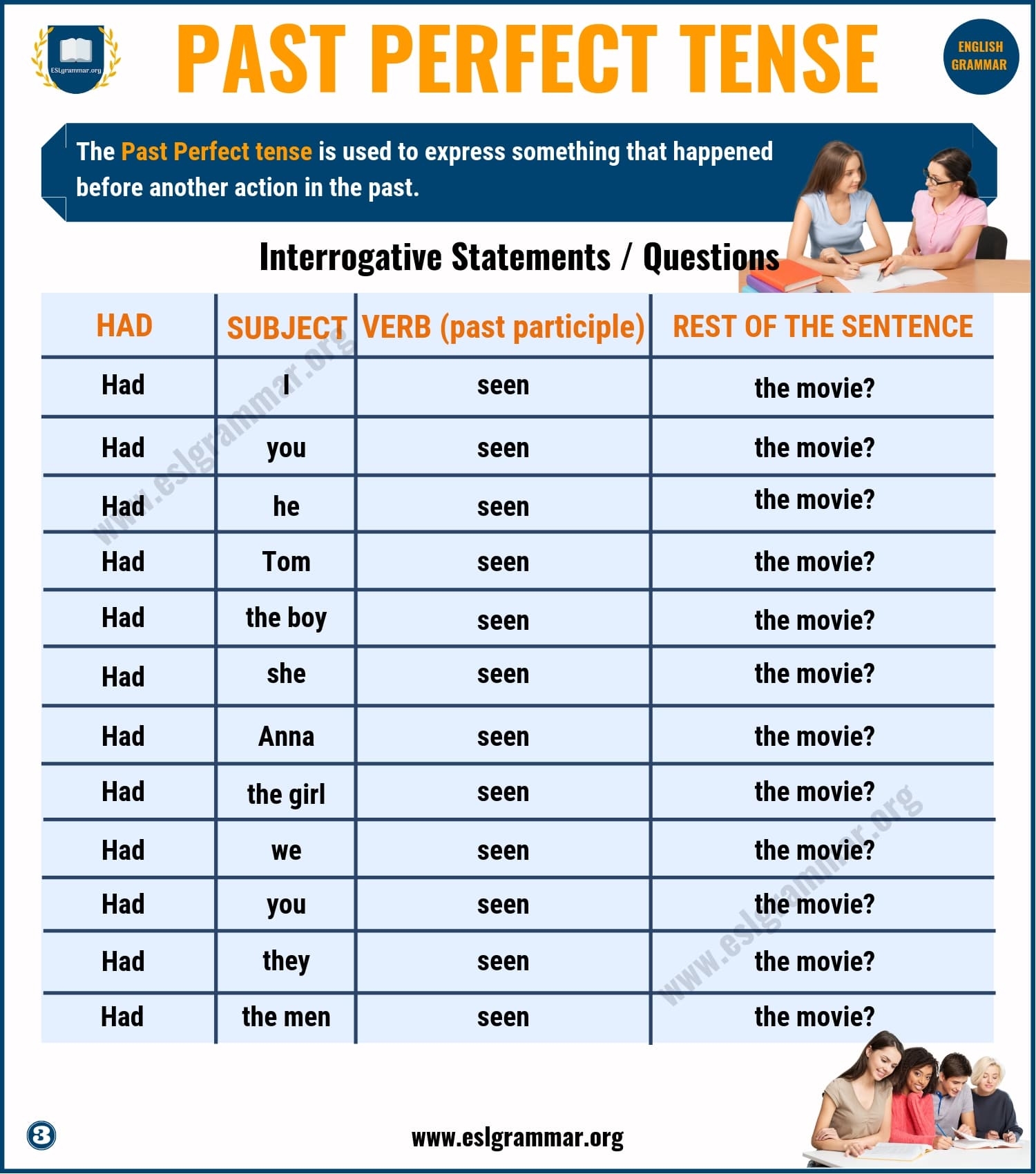
English Past Perfect
The past perfect tense is formed by using the auxiliary verb “had” followed by the past participle of the main verb. For example, “He had finished his homework before he went to bed.” In this sentence, “had finished” is the past perfect form of the verb “finish.”
One of the key uses of the past perfect tense is to show that one action in the past happened before another action in the past. This helps to establish a clear sequence of events and provide context for the timeline of the story or narration.
Additionally, the past perfect tense can be used to express hypothetical situations in the past, such as “If I had known about the party, I would have gone.” In this example, the speaker is expressing regret about not being aware of the party earlier.
Overall, mastering the past perfect tense is essential for effective communication in English, whether in writing or speaking. It allows for precise and accurate expression of past events and helps to create a cohesive narrative for the audience to follow.
In conclusion, the English past perfect tense plays a significant role in grammar and communication. By understanding and using this tense correctly, individuals can enhance their storytelling abilities and convey information in a clear and organized manner.