English pronouns play a crucial role in language as they replace nouns in sentences to avoid repetition. They help make communication more concise and efficient. Understanding how to use pronouns correctly is essential for effective communication in English.
Without pronouns, sentences would become lengthy and awkward. For example, instead of saying “John went to the store because John needed groceries,” we can use pronouns to say “John went to the store because he needed groceries.” This makes the sentence much smoother and easier to understand.
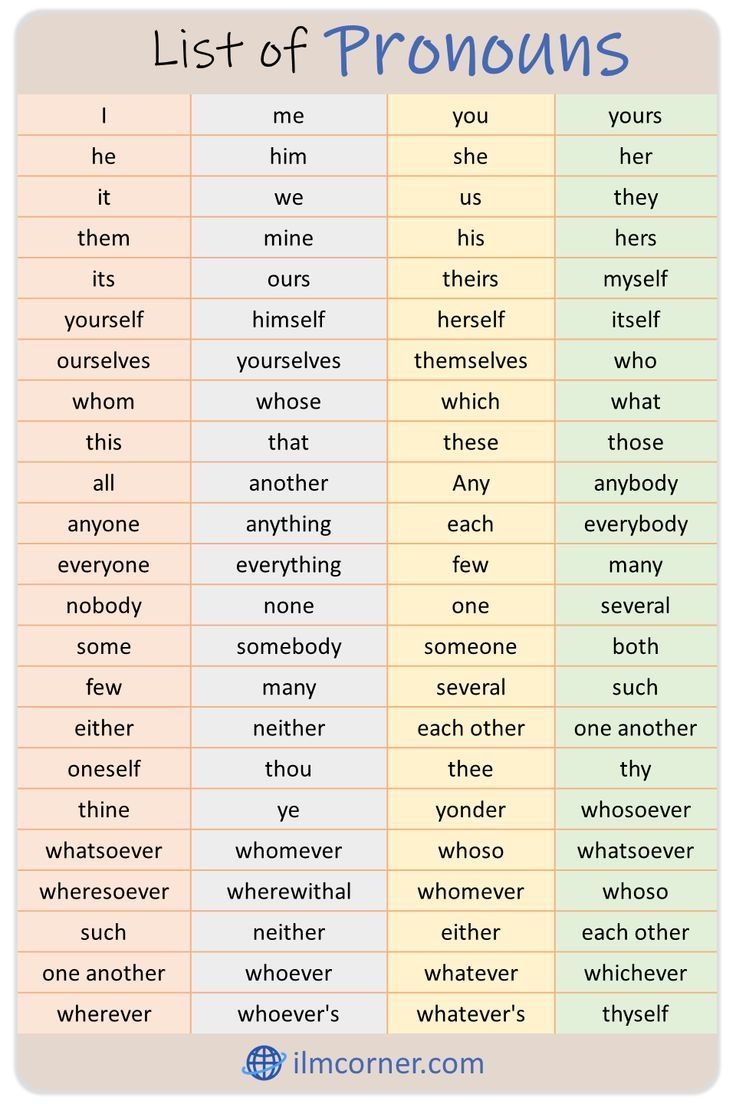
English Pronouns
English pronouns can be categorized into several types, including personal pronouns, possessive pronouns, reflexive pronouns, demonstrative pronouns, and more. Personal pronouns, such as “I,” “you,” “he,” “she,” “it,” “we,” and “they,” are used to refer to specific people or things.
Possessive pronouns, like “mine,” “yours,” “his,” “hers,” “ours,” and “theirs,” show ownership or possession. Reflexive pronouns, such as “myself,” “yourself,” “himself,” “herself,” “itself,” “ourselves,” and “themselves,” are used when the subject and object of a sentence are the same.
Demonstrative pronouns, like “this,” “that,” “these,” and “those,” are used to point to specific people or things. Interrogative pronouns, such as “who,” “whom,” “whose,” “which,” and “what,” are used to ask questions. Relative pronouns, like “who,” “whom,” “whose,” “which,” and “that,” introduce relative clauses in sentences.
It is important to use pronouns correctly to avoid confusion in communication. Using the wrong pronoun can change the meaning of a sentence or make it unclear. Practicing with pronouns and understanding their different types can help improve your English language skills.
In conclusion, English pronouns are essential for effective communication in the language. They help make sentences more concise and coherent by replacing nouns. By understanding the different types of pronouns and how to use them correctly, you can enhance your language skills and communicate more clearly. So, next time you write or speak in English, pay attention to your pronoun usage to ensure your message is conveyed accurately.