English verbs tenses are a crucial aspect of the language that help convey when an action took place. By using the correct tense, speakers can provide clarity and precision in their communication. Understanding the different tenses in English is essential for effective communication and writing.
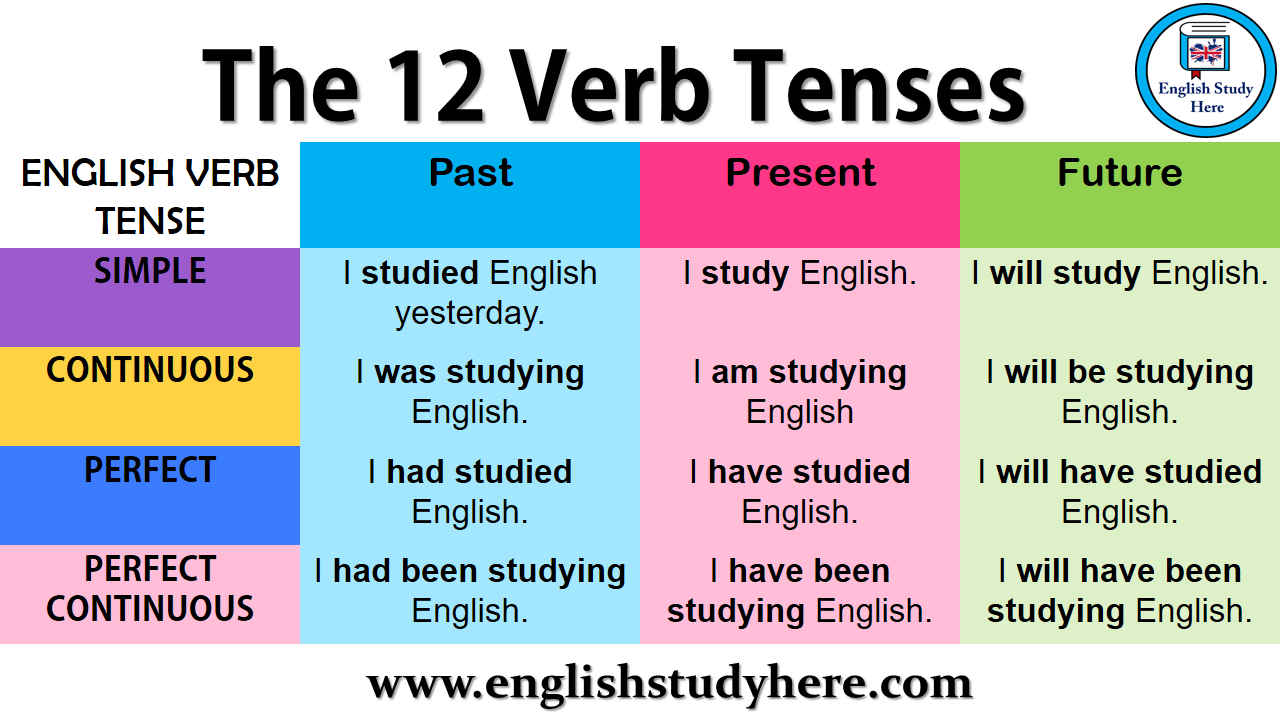
There are three main verb tenses in English: past, present, and future. Each tense has various forms that indicate the time of the action or state being described. By mastering these tenses, individuals can express themselves accurately and effectively in both spoken and written English.
Past Tense
The past tense is used to describe actions or states that have already happened. In English, the past tense is formed by adding “-ed” to regular verbs, while irregular verbs have unique forms. For example, the past tense of the verb “to go” is “went,” and the past tense of “to eat” is “ate.” Using the past tense correctly allows speakers to talk about events that have occurred in the past.
There are also different forms of the past tense, such as the past continuous tense, which indicates actions that were ongoing in the past. For example, “I was studying when the phone rang.” By using the past continuous tense, speakers can provide additional context about past events.
Another form of the past tense is the past perfect tense, which is used to indicate actions that were completed before another past event. For example, “I had finished my homework before dinner.” The past perfect tense helps establish a sequence of events in the past.
Overall, understanding the past tense and its various forms is essential for effectively communicating about past events in English.
In conclusion, English verbs tenses play a crucial role in communication and writing. By mastering the past, present, and future tenses, individuals can accurately convey when an action took place. Each tense has its unique forms and uses, allowing speakers to provide clarity and precision in their language. Learning and practicing English verb tenses is essential for becoming proficient in the language and expressing oneself effectively.