Engaging ESL students in vocabulary learning can be a challenging task, but incorporating games into your lessons can make the process more fun and effective. By making learning interactive and enjoyable, students are more likely to retain new words and concepts. There are various vocabulary games that can be used in the ESL classroom to keep students motivated and engaged.
One popular ESL vocabulary game is “Word Bingo,” where students are given bingo cards with different words. The teacher calls out definitions or synonyms, and students have to match them to the corresponding word on their cards. This game helps students improve their listening skills and reinforce vocabulary knowledge in a fun way.
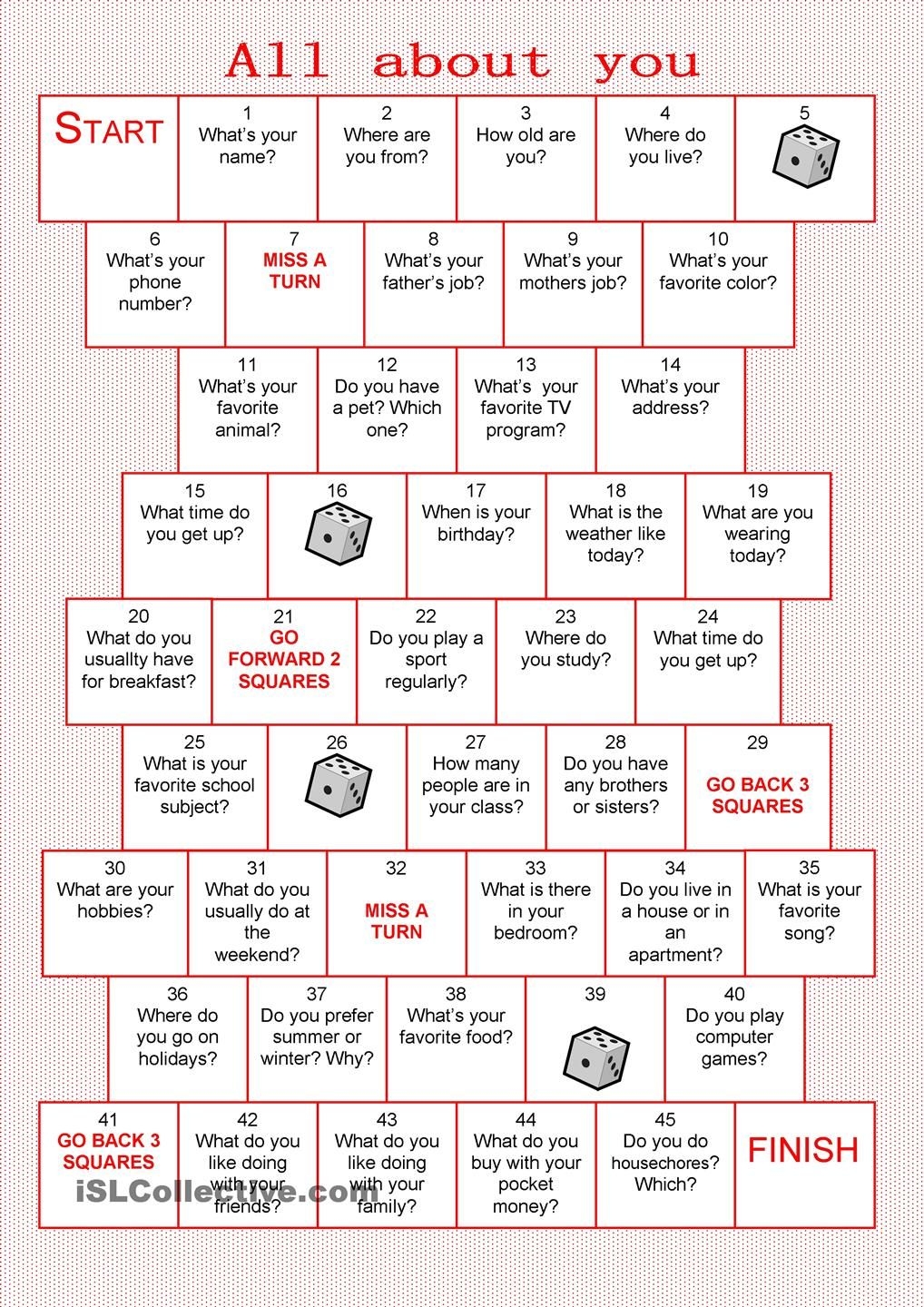
Another effective game is “Vocabulary Charades,” where students act out the meaning of a word without speaking, and their classmates have to guess the word. This game encourages students to think creatively and use gestures to convey meaning, helping them deepen their understanding of vocabulary words in a memorable way.
“Word Jumble” is a game where students are given a set of scrambled letters and have to rearrange them to form a vocabulary word. This game challenges students to think critically and apply their knowledge of word structures, spelling, and meaning. It also encourages peer collaboration and problem-solving skills.
One more engaging vocabulary game is “Hot Seat,” where one student sits with their back to the board while their classmates give clues to help them guess the vocabulary word written on the board. This game promotes active participation and communication among students, as they work together to describe and define words effectively.
In conclusion, ESL vocabulary games are a valuable tool for enhancing language learning and making it more enjoyable for students. By incorporating interactive and engaging activities into your lessons, you can help students build their vocabulary skills in a fun and meaningful way. These games not only reinforce vocabulary retention but also foster teamwork, creativity, and critical thinking in the ESL classroom.