Personal pronouns are words used to replace nouns in a sentence to avoid repetition. They help make sentences more concise and easier to understand. Personal pronouns can refer to specific people or things, and they vary based on the person, number, and gender of the noun they are replacing.
In English, personal pronouns can be classified into three main categories: first person (I, we), second person (you), and third person (he, she, it, they). Each type of personal pronoun has its own usage and rules for when to use it in a sentence.
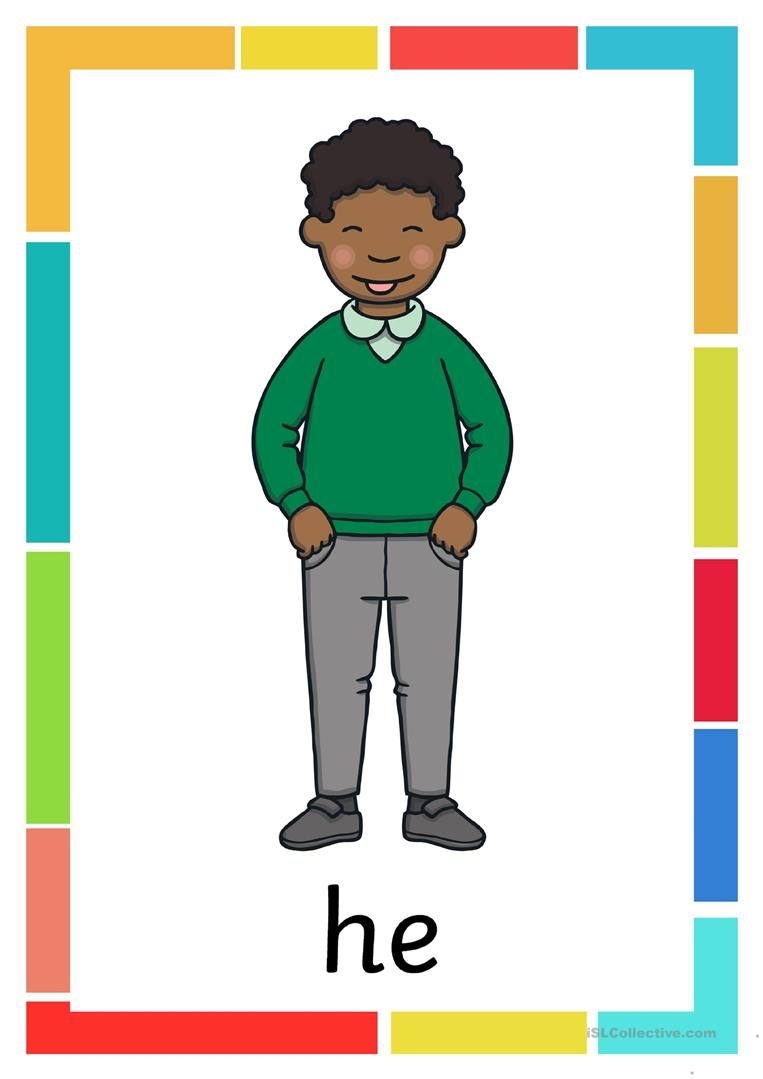
Examples of Personal Pronouns:
1. First Person Pronouns:
– I went to the store to buy some groceries.
– We are going on a vacation next week.
2. Second Person Pronouns:
– Can you pass me the salt, please?
– You should take a break and relax.
3. Third Person Pronouns:
– He is coming to the party tonight.
– She won the award for best actress.
– It is raining outside, so bring an umbrella.
– They are going to the concert together.
Personal pronouns play a crucial role in everyday communication, allowing us to refer to people and things without constantly repeating their names. By using personal pronouns, we can make our language more efficient and effective.
It is important to use personal pronouns correctly in sentences to ensure clarity and accuracy. Using the wrong pronoun can lead to confusion or misunderstanding in communication. Practice using different personal pronouns in various contexts to improve your language skills and fluency.
Overall, personal pronouns are essential components of language that help us communicate effectively and efficiently. By understanding the different types of personal pronouns and how to use them correctly, you can enhance your communication skills and express yourself more clearly.