Pronouns are words that are used in place of nouns to avoid repetition in a sentence. They help make sentences flow more smoothly and are essential in clear communication. There are different types of pronouns, such as personal pronouns, possessive pronouns, demonstrative pronouns, and more.
In this article, we will explore some examples of pronouns and how they are used in sentences to replace nouns.
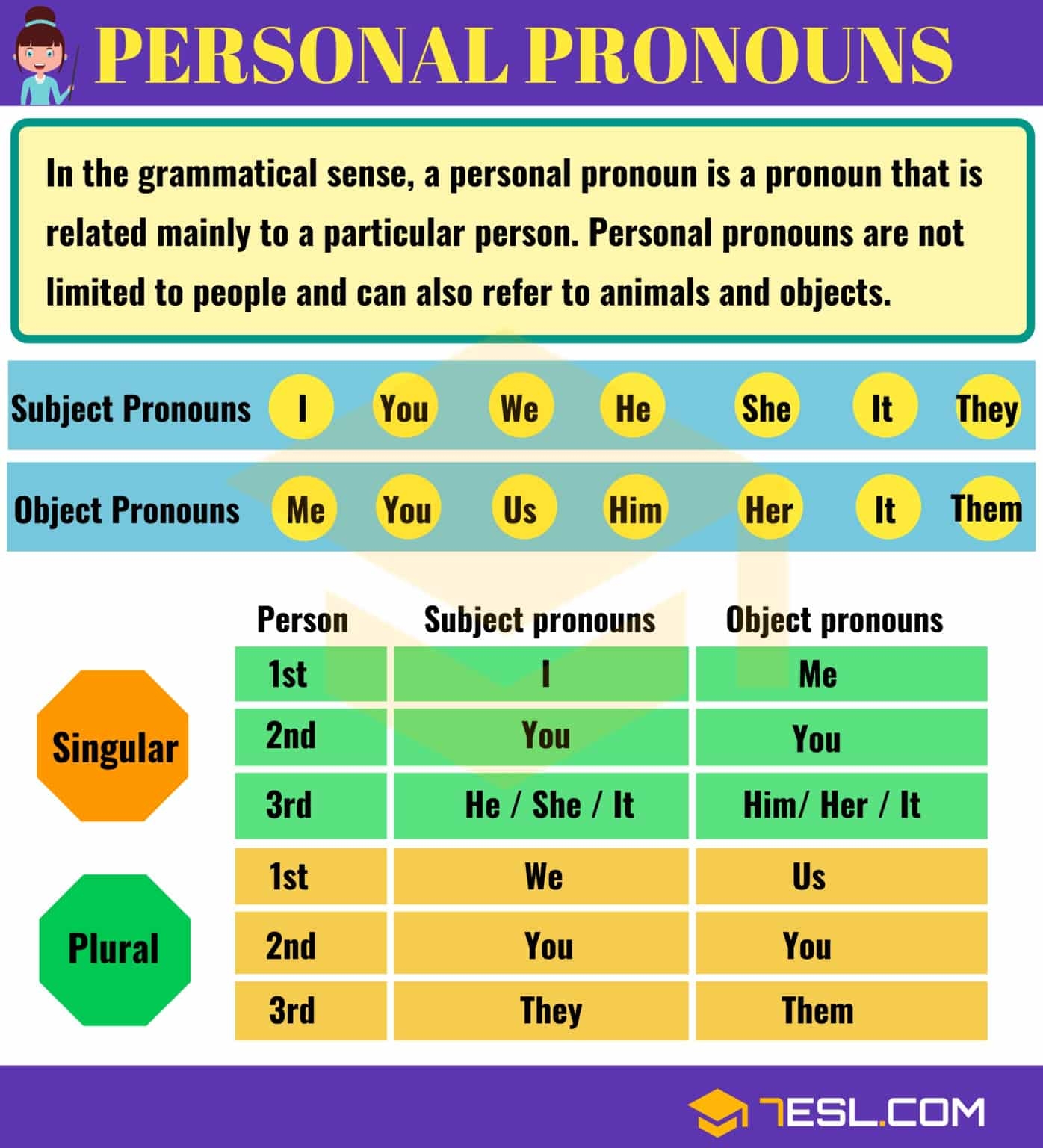
Personal Pronouns
Personal pronouns are used to refer to specific people or things. They can be singular or plural and can also change based on their function in a sentence. For example, “I” is a singular first-person pronoun, “you” is a second-person pronoun, and “he,” “she,” and “they” are third-person pronouns. Personal pronouns help avoid repetition of nouns and make sentences more concise.
For instance, instead of saying “John went to the store, and John bought some groceries,” you can use pronouns to say “John went to the store, and he bought some groceries.” This makes the sentence less repetitive and more natural.
Possessive Pronouns
Possessive pronouns show ownership or possession of something. Examples of possessive pronouns include “mine,” “yours,” “his,” “hers,” “ours,” and “theirs.” These pronouns replace nouns to indicate who owns or has something. For example, instead of saying “The car belongs to John,” you can say “The car is his.” This simplifies the sentence and makes it more concise.
Demonstrative Pronouns
Demonstrative pronouns are used to point to specific things or people. Examples of demonstrative pronouns include “this,” “that,” “these,” and “those.” These pronouns help clarify which person or thing is being referred to in a sentence. For example, instead of saying “Give me the book on the table,” you can say “Give me that book.” This makes the sentence more precise and eliminates ambiguity.
Reflexive Pronouns
Reflexive pronouns are used when the subject and object of a sentence are the same person or thing. Examples of reflexive pronouns include “myself,” “yourself,” “himself,” “herself,” “itself,” “ourselves,” “yourselves,” and “themselves.” These pronouns add emphasis to the action of the subject. For example, instead of saying “John gave the book to John,” you can say “John gave the book to himself.” This highlights the fact that John is both the subject and object of the sentence.
In conclusion, pronouns are essential in writing and speaking to avoid repetition and make sentences more concise. By using different types of pronouns, such as personal pronouns, possessive pronouns, demonstrative pronouns, and reflexive pronouns, you can create clear and effective communication.