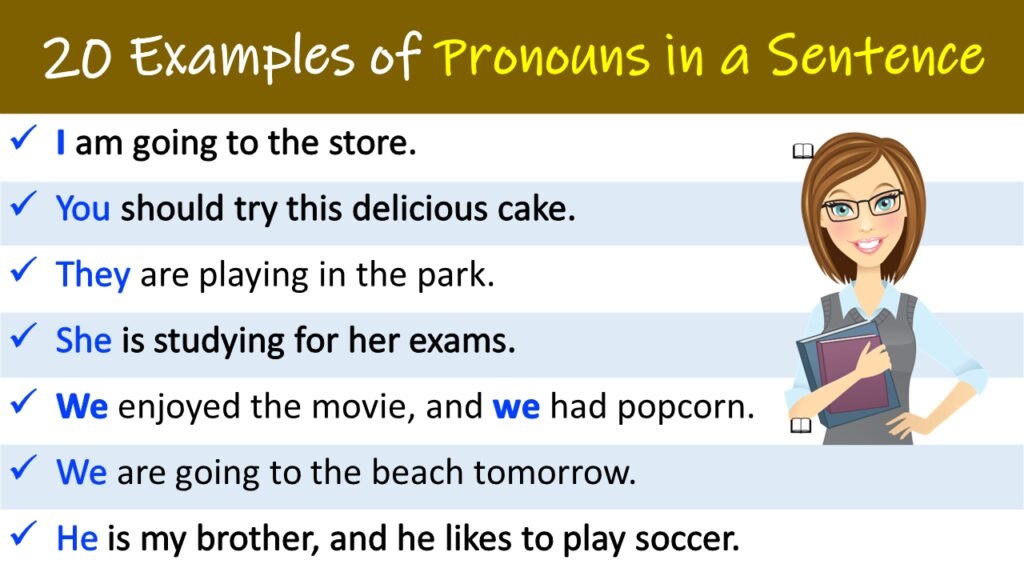
Example of Pronouns in a Sentence
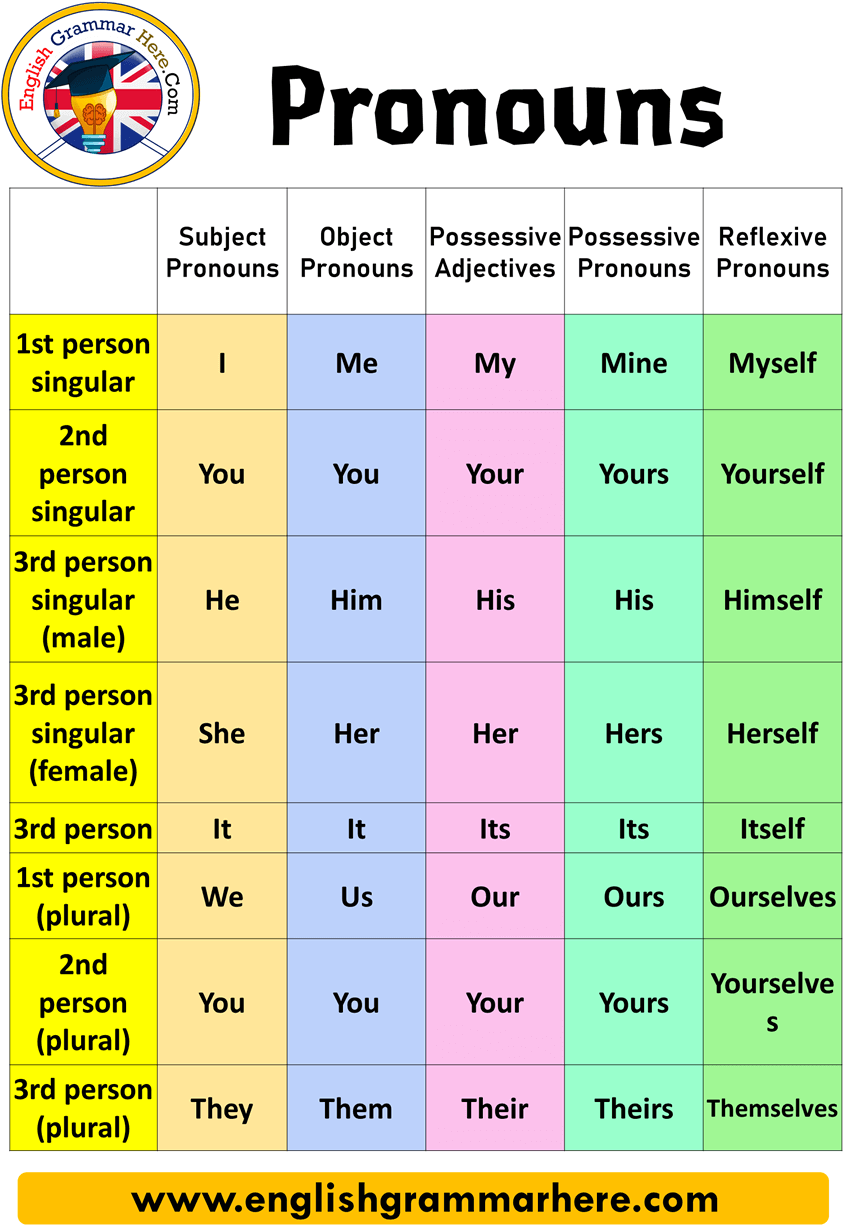
Pronouns are words that are used in place of nouns in a sentence. They help avoid repetition and make sentences flow more smoothly. Pronouns can refer to people, places, things, or ideas. In English, pronouns come in various forms such as personal pronouns, possessive pronouns, reflexive pronouns, demonstrative pronouns, and more.
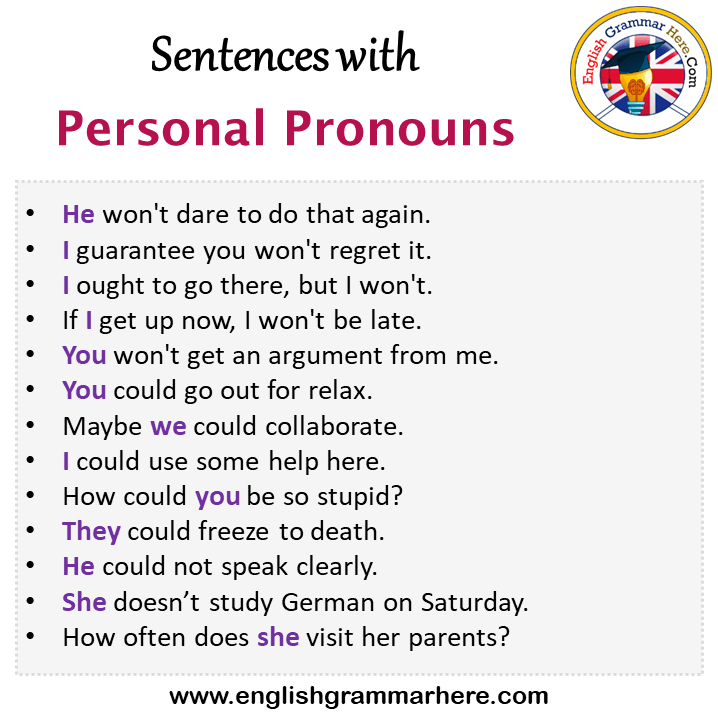
Personal pronouns are perhaps the most commonly used type of pronouns. They refer to specific people or things without naming them. For example, in the sentence “She is going to the store,” the pronoun “she” is used to refer to a specific female individual without having to repeat her name.
Examples of Pronouns in Sentences:
1. Personal Pronoun: He is working on his project.
2. Possessive Pronoun: This book is mine, not yours.
3. Reflexive Pronoun: She hurt herself while playing.
4. Demonstrative Pronoun: That is the house I want to buy.
5. Indefinite Pronoun: Everyone is invited to the party.
In the sentence “This book is mine, not yours,” the possessive pronouns “mine” and “yours” show ownership without the need to repeat the noun “book.” Reflexive pronouns like “herself” in “She hurt herself while playing” are used when the subject and object of the sentence are the same person or thing.
Demonstrative pronouns like “that” in “That is the house I want to buy” point to specific items or ideas. Indefinite pronouns, such as “everyone” in “Everyone is invited to the party,” refer to nonspecific people or things. Pronouns play a crucial role in language by making communication more efficient and concise.
In conclusion, pronouns are essential elements of language that help us communicate effectively by avoiding repetitive use of nouns. They come in various forms and serve different purposes in sentences. Understanding how to use pronouns correctly can enhance the clarity and coherence of your writing. Practice incorporating pronouns into your sentences to improve your language skills and make your writing more engaging.
Download and Print example of pronouns in a sentence Listed below