In English grammar, the past perfect tense is used to indicate an action that was completed before another past action. It is formed by combining “had” with the past participle of the main verb. Understanding how to use the past perfect tense can help you to express the sequence of events more effectively in your writing or speech.
Let’s explore some examples of the past perfect tense to gain a better understanding of how it is used in context.
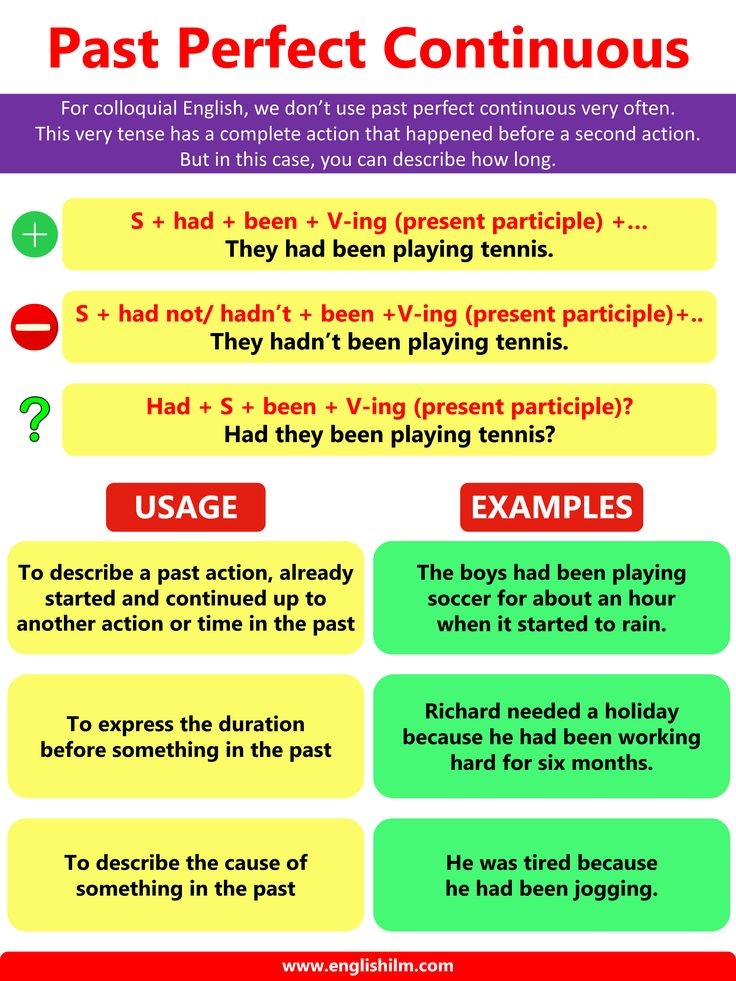
Examples of Past Perfect Tense:
1. She had already finished her homework before her friends arrived at her house for the party. (The action of finishing homework was completed before the friends arrived.)
2. By the time we reached the cinema, the movie had already started. (The movie had started before we arrived at the cinema.)
3. When I got home, my parents had gone out for dinner. (The action of going out for dinner was completed before I arrived home.)
4. The train had left the station before I could buy my ticket. (The train left before I had the chance to purchase a ticket.)
5. They had already booked a table at the restaurant before we called to make a reservation. (The action of booking a table was completed before we made the call.)
Using the past perfect tense helps to clarify the sequence of events and show which action occurred first in a series of past actions. By mastering the use of this tense, you can improve the clarity and coherence of your writing.
In conclusion, the past perfect tense is a valuable tool in expressing the sequence of events in the past. By combining “had” with the past participle, you can indicate that one action was completed before another past action took place. Practice using the past perfect tense in your writing to enhance your communication skills and convey your ideas more effectively.