When it comes to grammar, pronouns play a crucial role in replacing nouns to avoid repetition. They help make sentences more concise and clear. Pronouns are words that take the place of nouns, such as he, she, it, they, we, and you. Understanding the different types of pronouns and how to use them correctly is essential for effective communication.
Using pronouns correctly can help improve the flow of your writing and make it easier for readers to understand your message. Whether you are writing a formal essay or having a casual conversation, pronouns are an important part of everyday language. Let’s explore some examples of pronouns and how they are used in sentences.
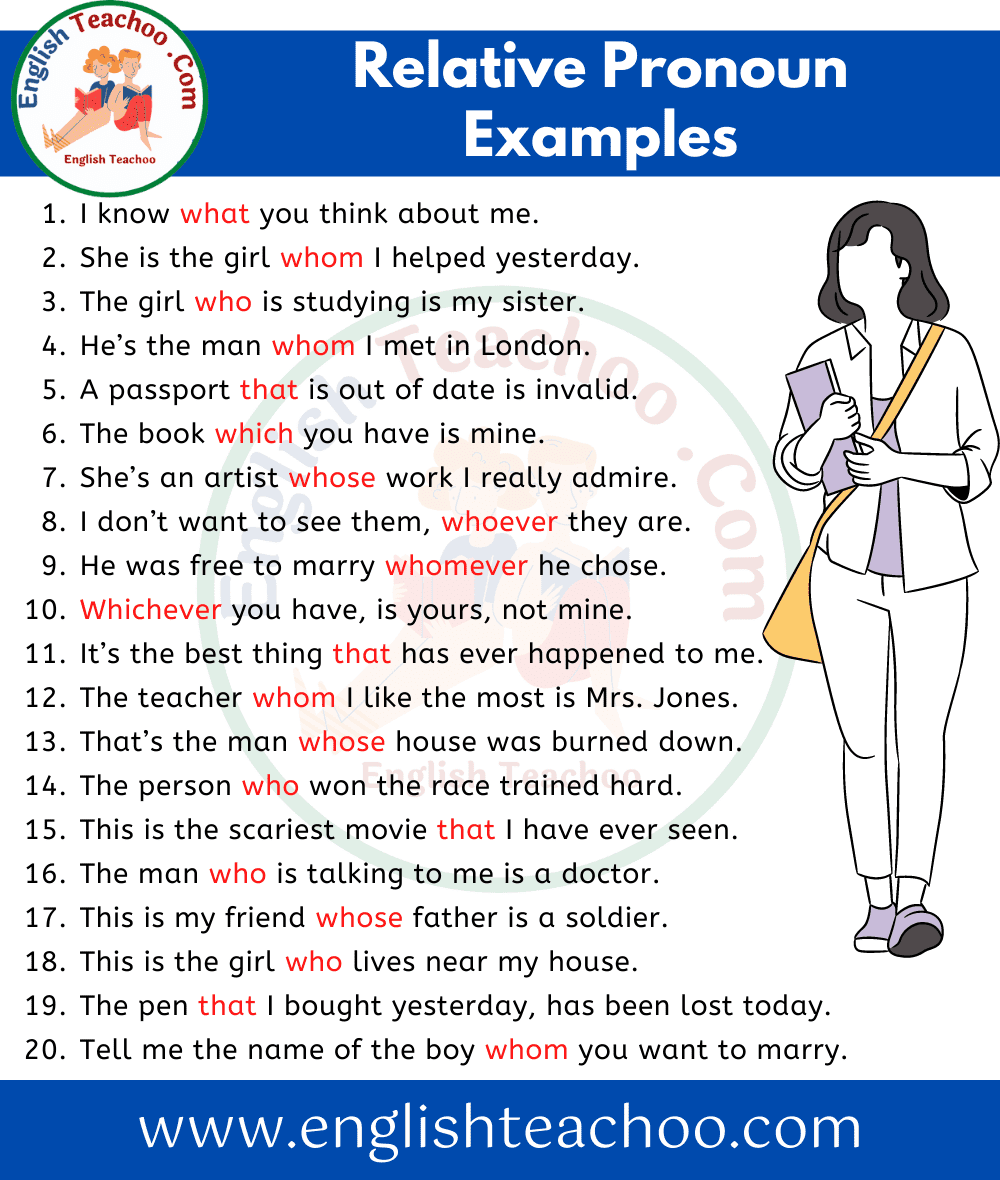
Examples of Pronouns
1. Personal Pronouns: Personal pronouns refer to specific people or things. They include pronouns like I, you, he, she, it, we, and they. For example, “She is going to the store” or “We are working on a project together.”
2. Possessive Pronouns: Possessive pronouns show ownership or belonging. Examples include mine, yours, his, hers, its, ours, and theirs. For instance, “The book is mine” or “Is this pen yours?”
3. Demonstrative Pronouns: Demonstrative pronouns point to specific things or people. This, that, these, and those are examples of demonstrative pronouns. For example, “This is my car” or “Are those your shoes?”
4. Reflexive Pronouns: Reflexive pronouns are used when the subject of a sentence is also the object. Examples include myself, yourself, himself, herself, itself, ourselves, and themselves. For instance, “I hurt myself while playing soccer” or “She baked the cake herself.”
5. Relative Pronouns: Relative pronouns introduce dependent clauses in a sentence. Who, whom, whose, which, and that are common relative pronouns. For example, “The girl who won the race is my sister” or “I bought the dress that was on sale.”
Understanding and using pronouns correctly can help improve your writing and make your sentences more concise and engaging. By replacing nouns with pronouns, you can avoid repetition and make your writing more efficient. Practice using different types of pronouns in your sentences to enhance your communication skills.