Pronouns are an essential part of language that help replace nouns and make sentences more concise. They play a crucial role in communication and are used to refer to people, places, things, and ideas. Pronouns can be personal, demonstrative, possessive, reflexive, relative, or indefinite. Here, we will explore some examples of different types of pronouns.
One common type of pronoun is the personal pronoun, which includes words like “I,” “you,” “he,” “she,” “it,” “we,” and “they.” Personal pronouns are used to refer to specific people or things without having to repeat their names constantly. For example, “She is going to the store” instead of “Sarah is going to the store.”
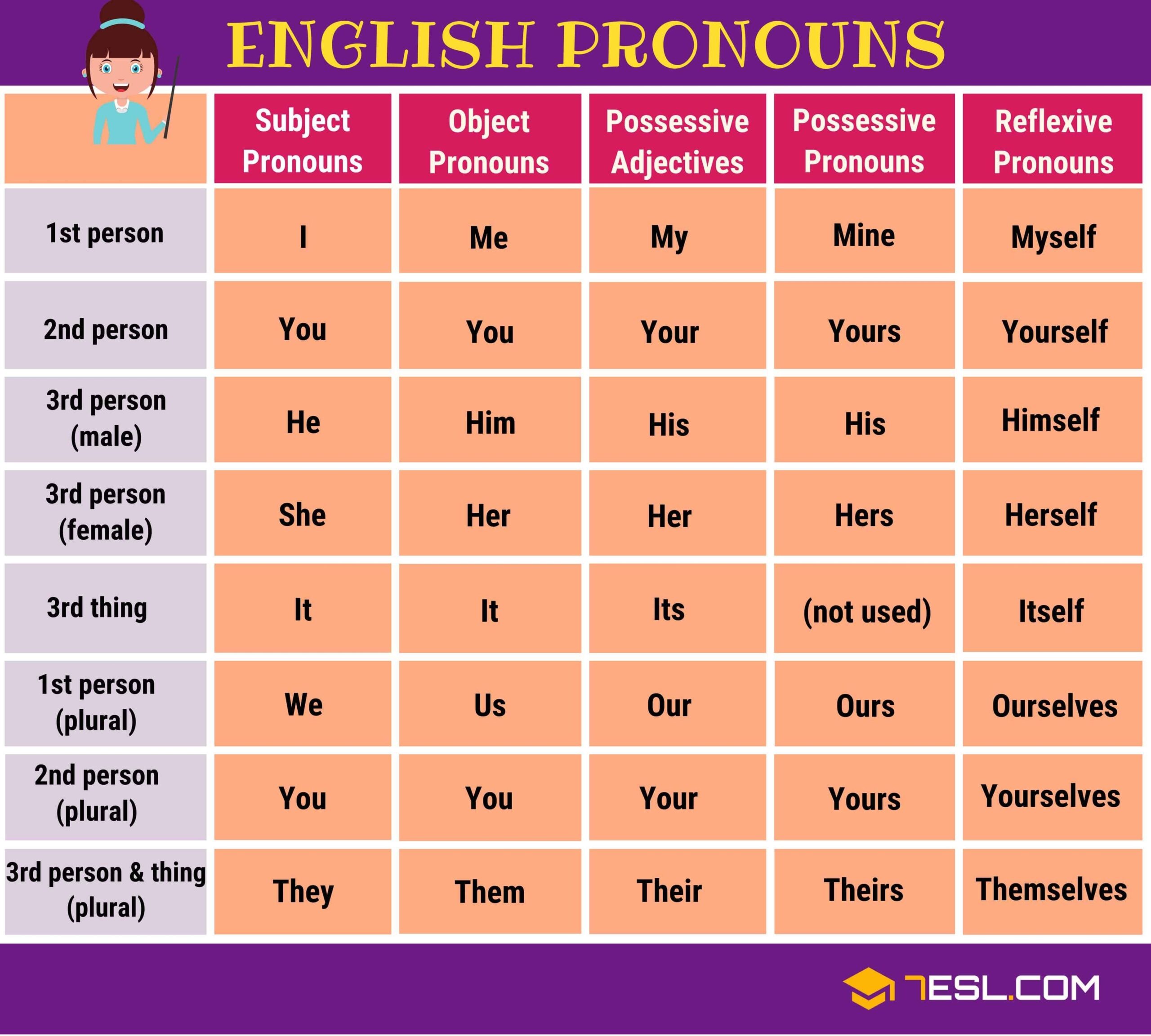
Examples with Pronouns
Demonstrative pronouns are used to point to specific things or people. Examples of demonstrative pronouns include “this,” “that,” “these,” and “those.” For instance, “This is my car” or “Those are your books.” These pronouns help indicate the proximity of the noun being referred to.
Possessive pronouns indicate ownership or possession of something. Examples of possessive pronouns include “mine,” “yours,” “his,” “hers,” “ours,” and “theirs.” For example, “The book is hers” or “Is this pen yours?” Possessive pronouns eliminate the need to use nouns to show possession.
Reflexive pronouns are used when the subject of a sentence is also the object. Examples of reflexive pronouns include “myself,” “yourself,” “himself,” “herself,” “itself,” “ourselves,” and “themselves.” For instance, “She hurt herself while playing” or “I made the cake myself.” Reflexive pronouns are essential for emphasizing the subject’s action on themselves.
Relative pronouns are used to connect clauses or phrases to nouns. Examples of relative pronouns include “who,” “whom,” “whose,” “which,” and “that.” For example, “The girl who won the race is my sister” or “This is the book that I was talking about.” Relative pronouns add more information or provide context to a sentence.
In conclusion, pronouns are indispensable in language as they help make communication more efficient and concise. By using pronouns, we can avoid repetition and create more fluid and coherent sentences. Whether personal, demonstrative, possessive, reflexive, or relative, pronouns play a significant role in conveying meaning in a clear and precise manner.