The Present Perfect tense is a verb form that is used to indicate actions or situations that have taken place at an unspecified time before now. It is a versatile tense that can be used in various ways to convey different meanings in English.
One of the main functions of the Present Perfect tense is to talk about experiences or actions that have occurred in the past but are still relevant to the present moment. It is often used to describe events that have an impact on the present situation or have a connection to the current time.
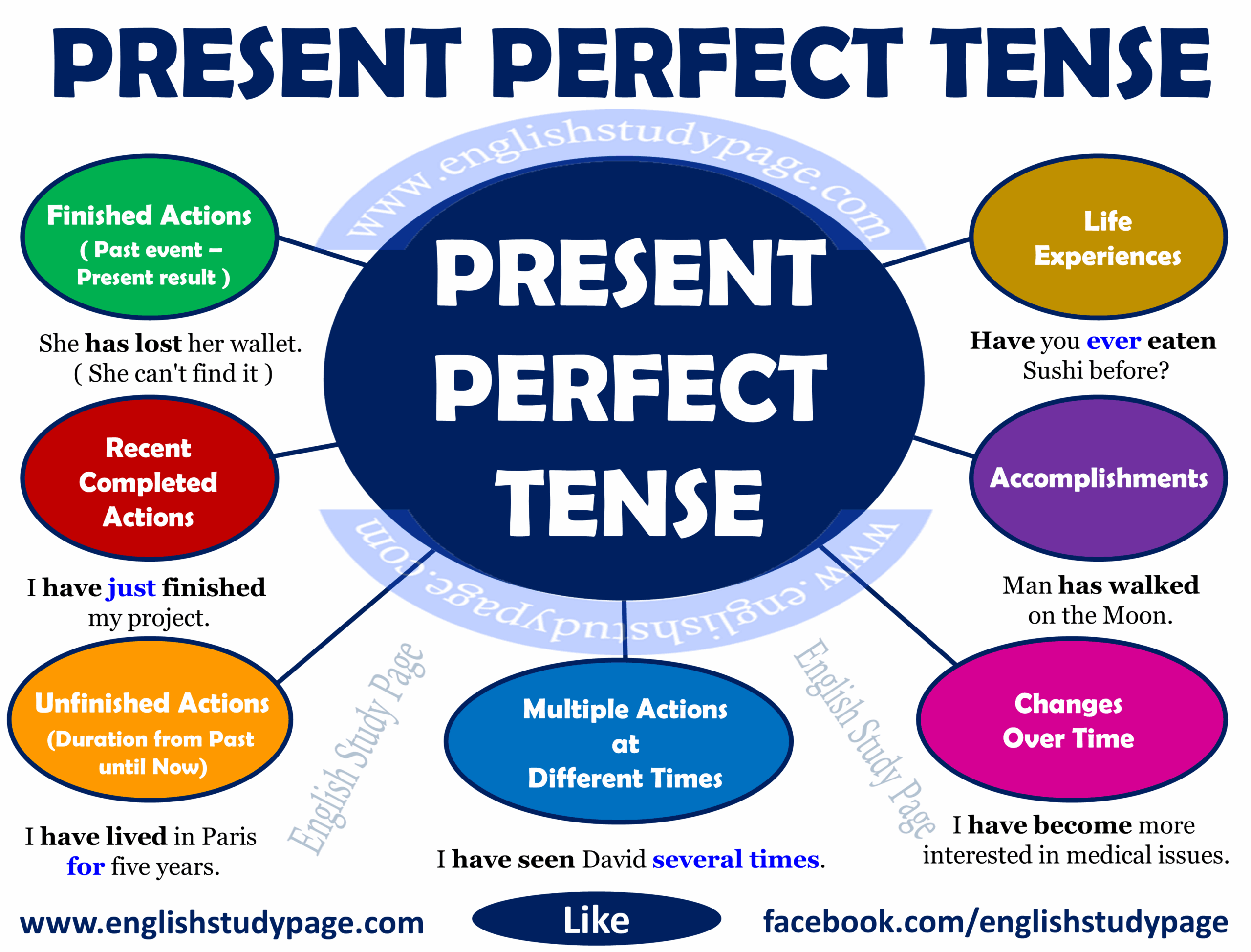
Another important function of the Present Perfect tense is to talk about actions that have just been completed or have a recent relevance. It is commonly used with adverbs such as “just,” “recently,” or “already” to emphasize the immediacy of the action.
The Present Perfect tense is also used to express actions that started in the past and continue into the present. This usage indicates a link between the past and the present, highlighting the duration or continuity of an action over time.
In addition, the Present Perfect tense can be used to talk about actions that have occurred multiple times in the past. By using words like “never,” “ever,” or “before,” it is possible to convey the idea of repeated actions or experiences that have taken place over a period of time.
Furthermore, the Present Perfect tense is often used with the word “since” or “for” to indicate the duration of an action that started in the past and continues up to the present moment. This form is commonly used to express the length of time that an action has been going on.
In conclusion, the Present Perfect tense serves various functions in English, including describing past actions with present relevance, indicating recent or just completed actions, showing the continuity of actions from the past to the present, expressing repeated actions, and specifying the duration of ongoing actions. By understanding the different functions of the Present Perfect tense, learners can effectively communicate about past events in relation to the present.