Gender pronouns are an important aspect of language that reflect a person’s gender identity. It is crucial to respect and use the correct pronouns for individuals, as it shows acknowledgment and support for their identity. As society becomes more inclusive and understanding of gender diversity, it is essential to be aware of the various pronouns that people may use.
Using the correct gender pronouns is a way to show respect and support for individuals’ identities. It is important to ask someone for their pronouns if you are unsure, rather than assuming based on appearance or stereotypes. By using the correct pronouns, you are validating and affirming someone’s gender identity.
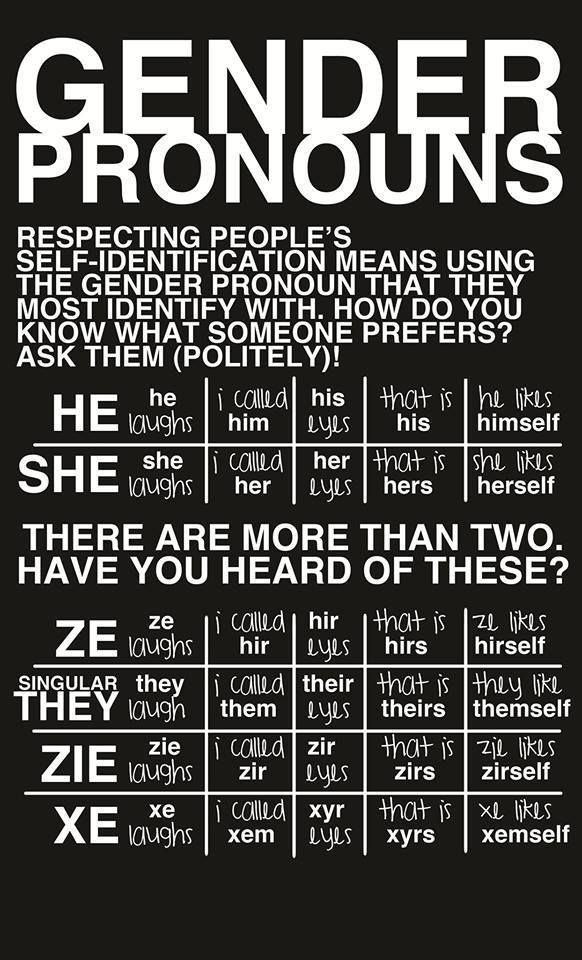
Gender Pronouns List
Here is a list of common gender pronouns:
- He/Him/His
- She/Her/Hers
- They/Them/Theirs
- Ze/Hir/Hirs
- Ze/Zir/Zirs
These are just a few examples of gender pronouns that individuals may use to identify themselves. It is important to be open-minded and accepting of different pronouns, as they are an integral part of someone’s identity.
Gender pronouns are not limited to the binary categories of male and female. Non-binary individuals may use pronouns that do not conform to traditional gender norms, such as “they/them” or other gender-neutral pronouns. It is essential to respect and use these pronouns to create a more inclusive and supportive environment for all individuals.
By familiarizing yourself with different gender pronouns and using them correctly, you are contributing to a more inclusive and respectful society. It is a small but meaningful way to show support for individuals of all gender identities and to help create a more welcoming and understanding community.
Closing Thoughts
Respecting and using the correct gender pronouns is a simple yet powerful way to support individuals in their gender identity. By acknowledging and affirming someone’s pronouns, you are showing respect, validation, and acceptance. Let’s strive to create a more inclusive and understanding world by honoring the diversity of gender identities through the use of appropriate pronouns.