Gerunds and infinitives are verb forms that function as nouns in a sentence. They can be used in a variety of ways to convey different meanings and nuances. Understanding how to use gerunds and infinitives correctly can greatly enhance your English language skills.
1. Gerunds:
- Running
- Swimming
- Reading
- Writing
- Speaking
2. Infinitives:
- To run
- To swim
- To read
- To write
- To speak
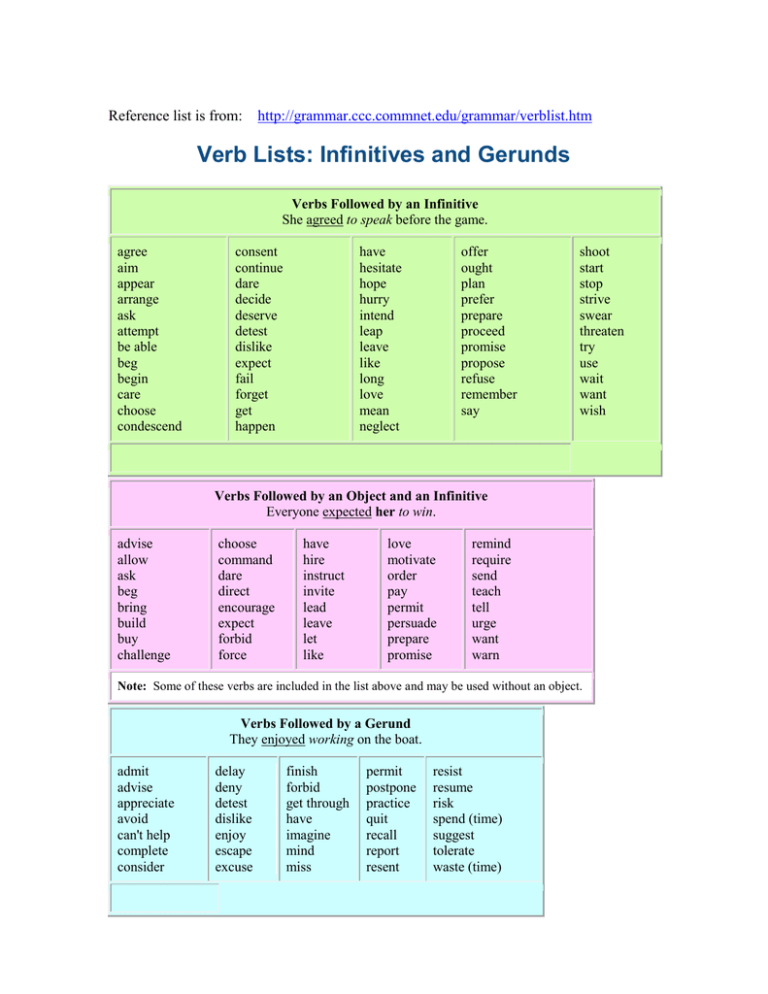
3. Verbs followed by gerunds:
- Enjoy
- Avoid
- Consider
- Finish
- Keep
4. Verbs followed by infinitives:
- Want
- Need
- Decide
- Plan
- Agree
5. Common expressions with gerunds and infinitives:
- It’s no use
- Can’t help
- It’s worth
- Be used to
- Look forward to
Using gerunds and infinitives correctly can add depth and complexity to your writing and speaking. Practice incorporating them into your everyday language to improve your fluency and accuracy.
Remember that gerunds are formed by adding -ing to a verb, while infinitives are formed by using “to” before the base form of a verb.
With practice and patience, you can master the use of gerunds and infinitives in English and become a more confident and proficient communicator.