Grammar is an essential aspect of language that allows us to communicate effectively and clearly. One important tense in grammar is the past perfect tense, which is used to indicate an action that was completed before another action in the past. Understanding how to use the past perfect tense can help improve the clarity and accuracy of your writing.
When using the past perfect tense, it is important to remember that it is formed by using the auxiliary verb “had” followed by the past participle of the main verb. This tense is often used to show the order of events in the past or to talk about actions that were completed before a certain point in time.
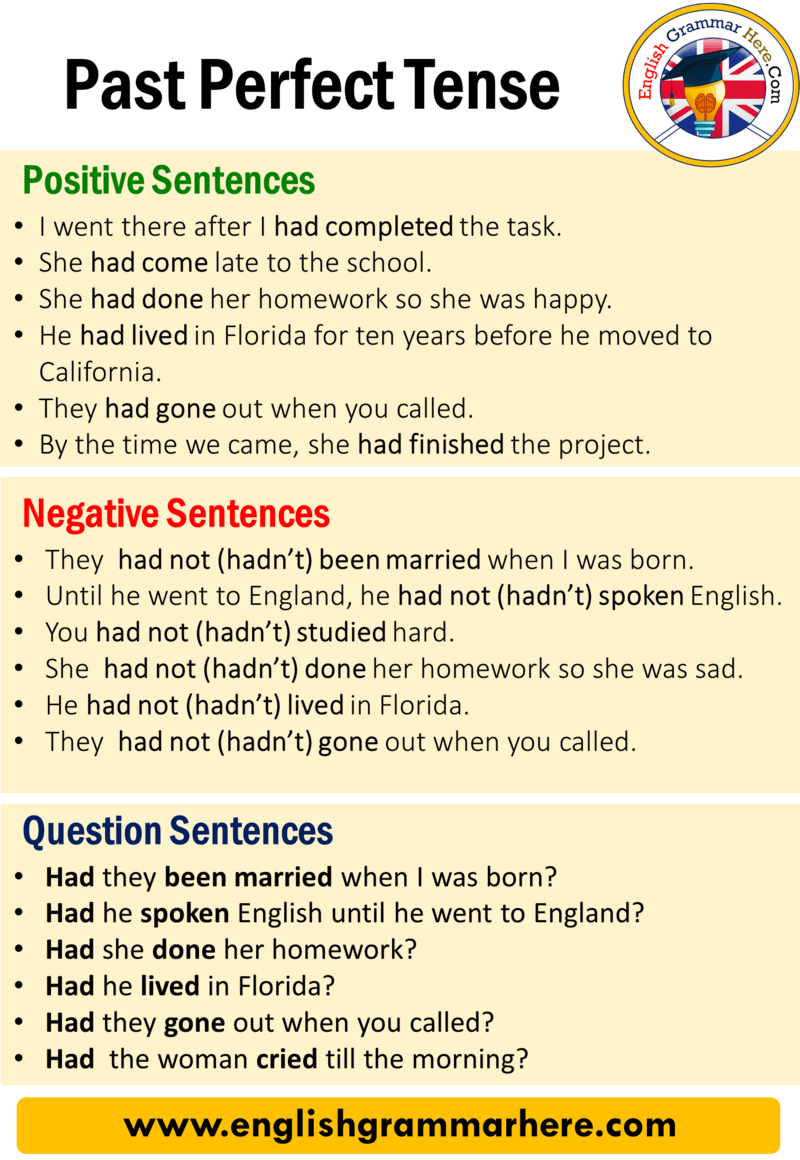
Grammar: Past Perfect Tense
For example, consider the sentence: “By the time I arrived at the party, they had already left.” In this sentence, the past perfect tense “had left” indicates that the action of leaving occurred before the action of arriving. This helps to clearly convey the sequence of events in the past.
Another common use of the past perfect tense is in reported speech or indirect speech. For instance, “She said that she had finished her homework before going to bed.” In this example, the past perfect tense “had finished” is used to indicate that the action of finishing the homework took place before going to bed, even though it is being reported in the present.
It is important to note that the past perfect tense is not always necessary, and it should be used when the sequence of events in the past needs to be emphasized. Overusing the past perfect tense can make your writing sound unnatural or overly formal, so it is essential to use it judiciously.
In conclusion, the past perfect tense is a valuable tool in grammar that helps to clarify the sequence of events in the past. By understanding how to use this tense correctly, you can improve the accuracy and coherence of your writing. Remember to practice using the past perfect tense in your writing to become more proficient in its use.