Grammar prepositions are words that show the relationship between a noun or pronoun and other words in a sentence. They are crucial for conveying meaning and ensuring clarity in written and spoken language. Prepositions often indicate location, direction, time, or relationships between objects.
Using prepositions correctly can be challenging for English learners, as they often vary depending on context and can have multiple meanings. However, with practice and exposure to different examples, one can master the use of prepositions effectively.
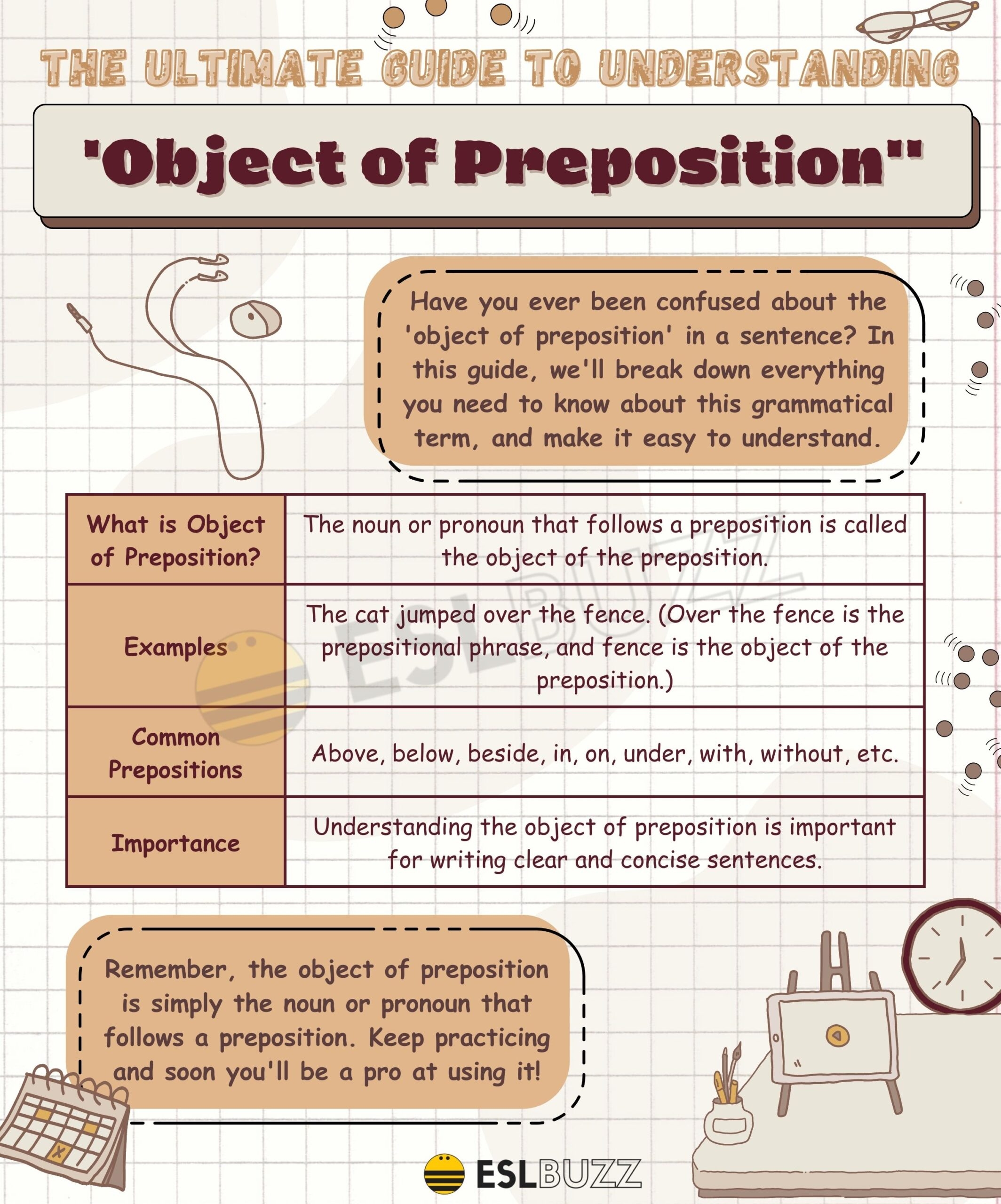
Grammar Preposition Examples
1. Location: The book is on the table.
2. Direction: She walked to the park.
3. Time: The meeting is at 3 pm.
4. Relationships: He is beside his sister.
Understanding these examples can help clarify how prepositions function in sentences and how they affect the meaning of the words around them. Practice using different prepositions in various contexts to improve your grammar skills.
It’s important to note that prepositions can sometimes be part of phrasal verbs or idiomatic expressions, adding another layer of complexity to their usage. However, with regular practice and exposure to the language, one can become more comfortable with using prepositions effectively.
Remember to pay attention to prepositions when reading or writing in English, as they play a crucial role in conveying precise meaning and ensuring clear communication. With time and practice, mastering the use of prepositions will become second nature.
In conclusion, grammar prepositions are essential elements of language that help establish relationships between words and convey specific meanings. By understanding and practicing examples of prepositions, one can improve their grammar skills and communicate more effectively in English.