Verbs are an essential part of speech that describe actions, states, or occurrences. Group verb lists are particularly useful for language learners as they categorize verbs based on their similarities in meaning or usage. By studying group verb lists, learners can expand their vocabulary and improve their understanding of how verbs function in sentences.
Understanding different groups of verbs can help learners communicate more effectively and express themselves with greater accuracy. Whether you are a beginner or an advanced learner, utilizing group verb lists can enhance your language skills and boost your confidence in using verbs correctly.
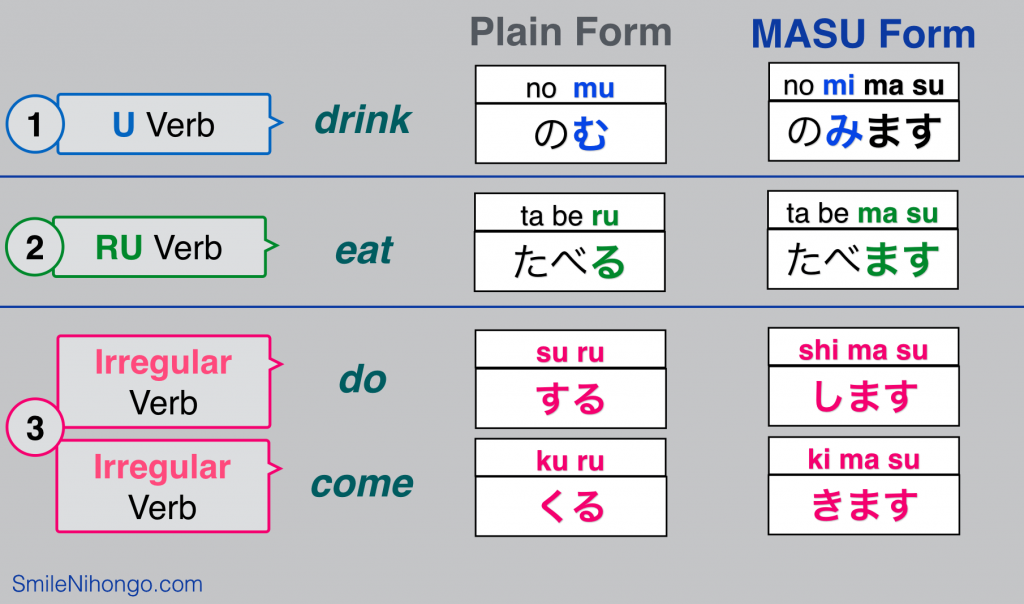
Group Verb List
Group verb lists often include categories such as modal verbs, phrasal verbs, irregular verbs, and transitive/intransitive verbs. Modal verbs, for example, include words like ‘can,’ ‘could,’ ‘may,’ ‘might,’ ‘will,’ ‘would,’ ‘shall,’ and ‘should,’ which express possibility, permission, obligation, or ability. Learning how to use modal verbs can help learners express themselves politely and effectively in various situations.
Phrasal verbs, on the other hand, consist of a verb and one or more particles (prepositions or adverbs) that together convey a specific meaning. Examples of phrasal verbs include ‘look after,’ ‘give up,’ ‘put off,’ and ‘come across.’ Understanding the meanings of phrasal verbs and how they are used in context can greatly improve a learner’s comprehension and communication skills.
Irregular verbs are verbs that do not follow the standard rules of verb conjugation. Examples of irregular verbs include ‘go’ (went, gone), ‘eat’ (ate, eaten), and ‘see’ (saw, seen). Memorizing irregular verb forms can be challenging, but it is essential for learners to communicate fluently and accurately in the target language.
Transitive and intransitive verbs are verbs that require or do not require a direct object, respectively. Transitive verbs, such as ‘eat’ and ‘buy,’ require a direct object to complete their meaning, while intransitive verbs, such as ‘sleep’ and ‘arrive,’ do not. Understanding the difference between transitive and intransitive verbs can help learners construct grammatically correct sentences and convey their intended meanings clearly.
In conclusion, group verb lists are valuable resources for language learners seeking to improve their verb usage and proficiency. By studying different categories of verbs and practicing their usage in context, learners can enhance their communication skills and express themselves more effectively. Incorporating group verb lists into language learning can lead to greater fluency, accuracy, and confidence in using verbs in everyday speech and writing.