Infinitive verbs are a fundamental part of the English language, providing a versatile and dynamic way to express actions. They are the base form of a verb, typically preceded by ‘to’. Understanding how to use infinitive verbs correctly can greatly enhance your writing and communication skills.
Infinitive verbs can be used in a variety of ways, such as to express purpose, desire, or obligation. They can also be used after certain verbs like ‘want’, ‘need’, or ‘plan’. Learning how to properly use infinitive verbs can help you convey your intentions clearly and effectively.
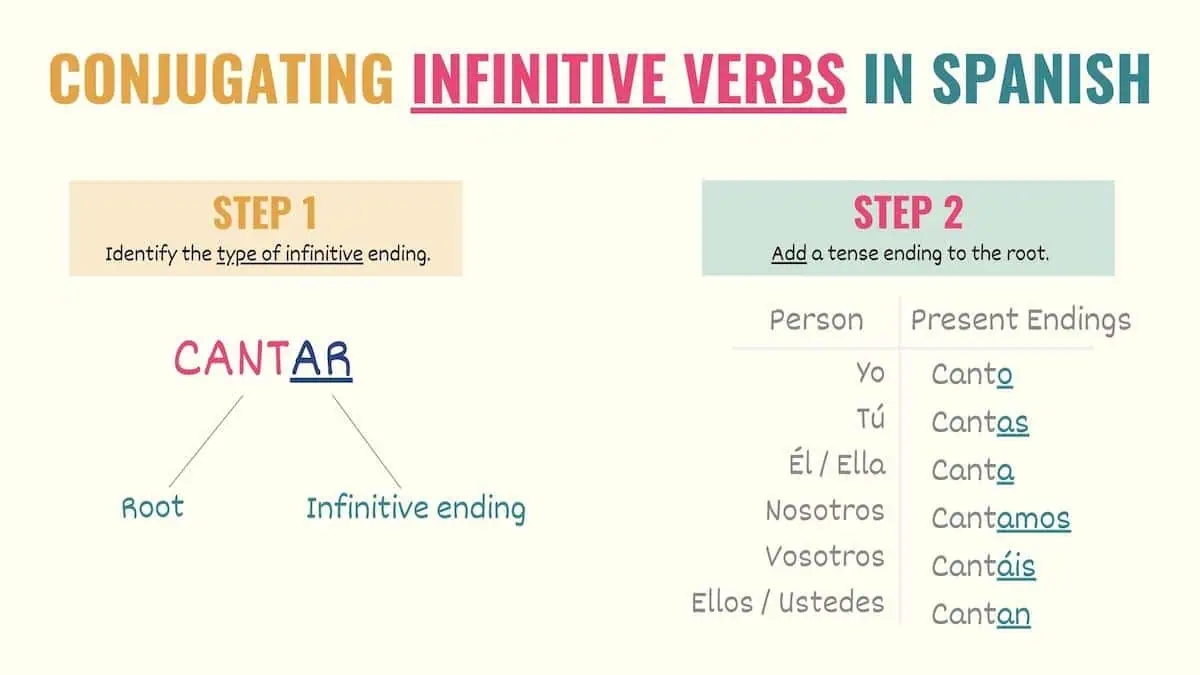
Using Infinitive Verbs
One common way to use infinitive verbs is as the subject of a sentence. For example, “To travel is my passion.” In this sentence, ‘to travel’ acts as the subject of the sentence, expressing the main idea of the statement. Infinitive verbs can also be used after adjectives, such as “I am excited to see the new movie.”
Another important use of infinitive verbs is in forming the continuous infinitive, which is used to show that an action is ongoing. For example, “She seems to be working late tonight.” In this sentence, ‘to be working’ is the continuous infinitive form of the verb ‘work’.
It’s essential to remember that infinitive verbs are not conjugated based on the subject of the sentence. They remain in their base form, making them a simple and versatile tool for expressing actions and intentions. By mastering the use of infinitive verbs, you can enhance the clarity and impact of your writing.
In conclusion, infinitive verbs play a crucial role in the English language, allowing us to express a wide range of actions and intentions. By understanding how to use infinitive verbs effectively, you can elevate your writing and communication skills to new heights. Practice using infinitive verbs in various contexts to become more proficient in their usage and unlock the full potential of your language abilities.