Understanding the difference between intransitive and transitive verbs is essential in mastering the English language. Verbs play a crucial role in sentence structure, conveying action or state of being. In this article, we will explore the distinctions between these two types of verbs and how they function within sentences.
Intransitive Verb: An intransitive verb is a verb that does not require a direct object to complete its meaning. It is able to stand alone in a sentence without the need for an object to receive the action. Intransitive verbs typically express actions or states of being that do not transfer to an object.
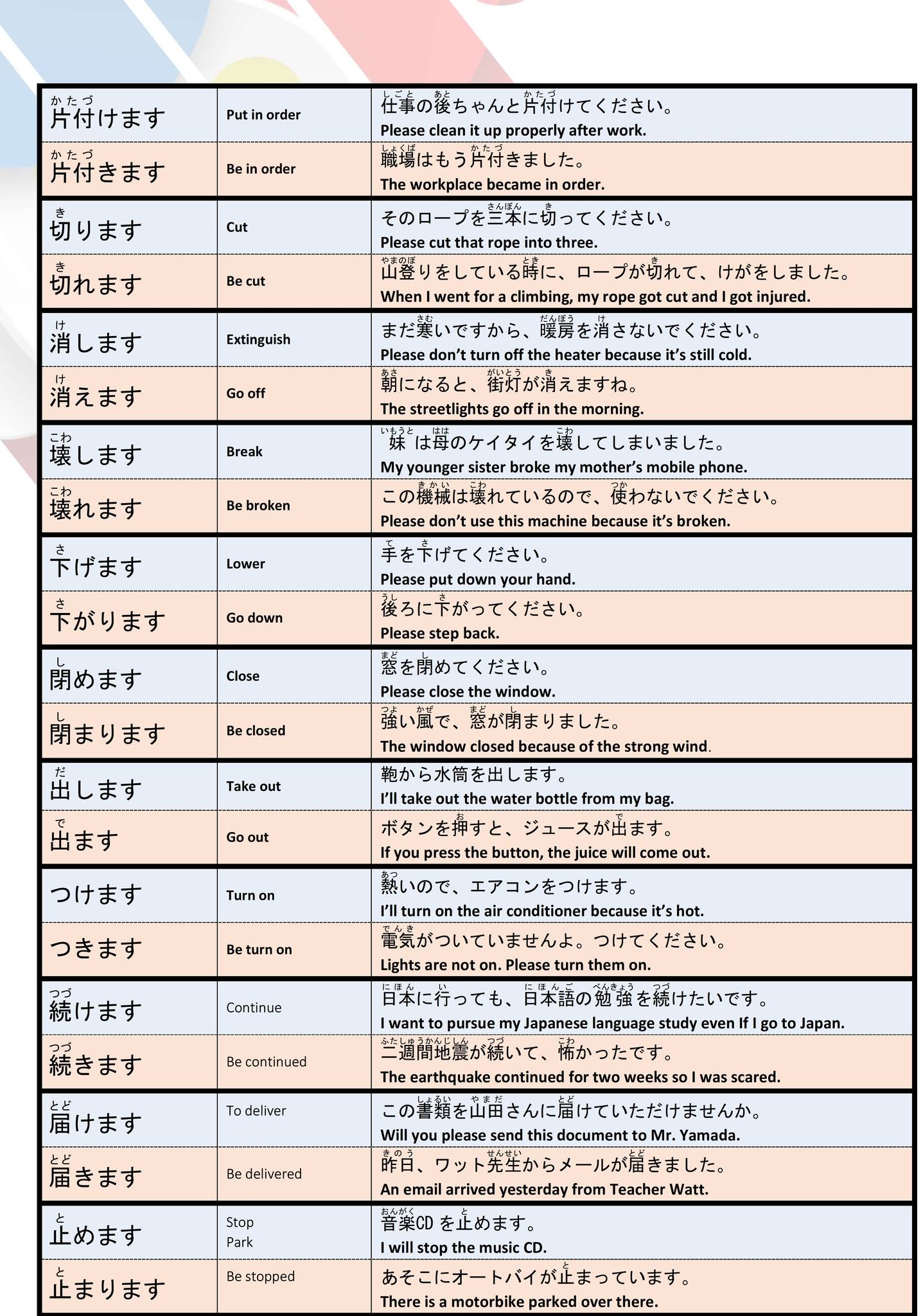
Transitive Verb: On the other hand, a transitive verb is a verb that requires a direct object to complete its meaning. It is unable to stand alone in a sentence and must be followed by a noun or pronoun that receives the action of the verb. Transitive verbs transfer the action to the object, making the sentence more complete and coherent.
For example, in the sentence “She sings,” the verb “sings” is intransitive because it does not require an object to complete the action. However, in the sentence “He eats an apple,” the verb “eats” is transitive because it needs the object “an apple” to complete the action.
Transitive verbs can also be followed by multiple objects, such as direct objects and indirect objects. For instance, in the sentence “She gave him a book,” the verb “gave” is transitive and has both a direct object “a book” and an indirect object “him.”
It is important to differentiate between intransitive and transitive verbs when constructing sentences to ensure clarity and coherence. Understanding the role of verbs in relation to objects helps in forming grammatically correct and meaningful sentences.
In conclusion, mastering the use of intransitive and transitive verbs is crucial in developing strong writing skills and effective communication. By recognizing the distinctions between these two types of verbs and how they function within sentences, individuals can enhance their language proficiency and convey their thoughts more clearly.