Verbs are an essential part of the English language, and they come in different forms. Regular verbs follow a predictable pattern when conjugated, but irregular verbs do not. They have unique forms for the past simple and past participle that do not follow the standard rules. Understanding irregular verbs is crucial for mastering English grammar.
Irregular verbs are verbs that do not follow the regular pattern of adding -ed to form the past simple and past participle. Instead, they have unique forms that need to be memorized. Some common irregular verbs include “go-went-gone,” “eat-ate-eaten,” and “see-saw-seen.” These verbs can be tricky to learn, but with practice, you can become more familiar with them.
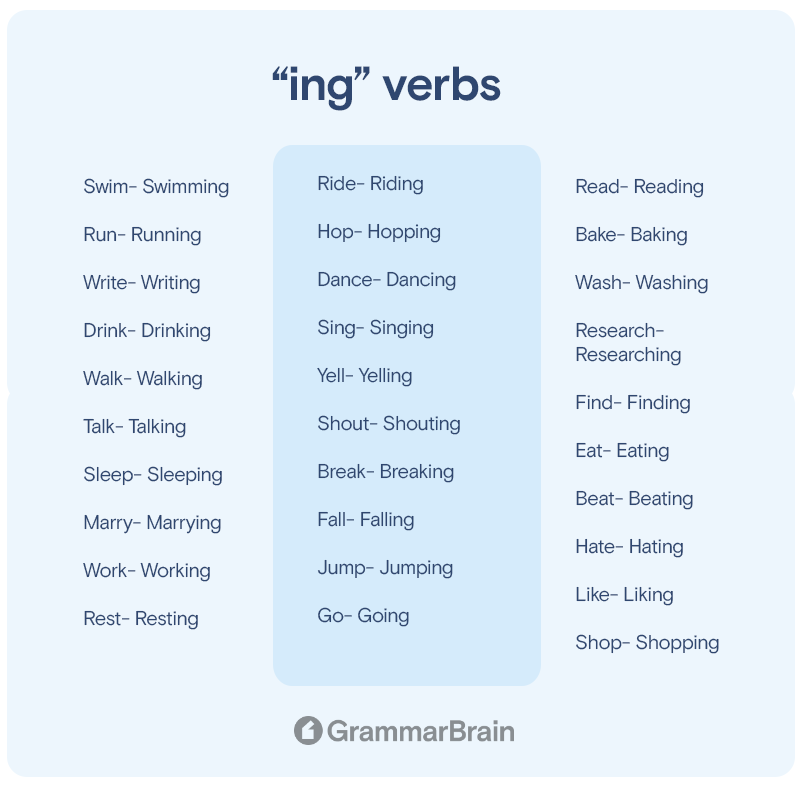
List of Irregular Verbs
Here is a list of some common irregular verbs:
- be-was/were-been
- begin-began-begun
- come-came-come
- do-did-done
- find-found-found
Irregular verbs can be challenging for English learners because they do not follow a consistent pattern. It is important to memorize the irregular forms of these verbs to use them correctly in sentences. Practice using irregular verbs in different tenses to improve your language skills.
One way to master irregular verbs is to create flashcards with the base form, past simple, and past participle of each verb. Quiz yourself regularly to reinforce your memory and improve your accuracy in using irregular verbs. Reading and listening to English content can also help you become more familiar with how irregular verbs are used in context.
In conclusion, irregular verbs are an essential aspect of English grammar that requires practice and memorization. By familiarizing yourself with common irregular verbs and using them in various contexts, you can improve your language skills and communicate more effectively in English. Remember to study regularly and seek out opportunities to practice using irregular verbs to enhance your proficiency in the language.