Irregular verbs are a unique aspect of the English language that can trip up even the most experienced writers. Unlike regular verbs, which follow a predictable pattern when conjugated, irregular verbs have their own set of rules that must be memorized. Understanding how to use irregular verbs correctly is essential for clear and effective communication.
Irregular verbs can be challenging to learn because they do not follow the standard rules of verb conjugation. While regular verbs typically add “-ed” to the base form to create past tense, irregular verbs have unique past tense forms that must be memorized. Some irregular verbs also have irregular past participle forms, further complicating matters.
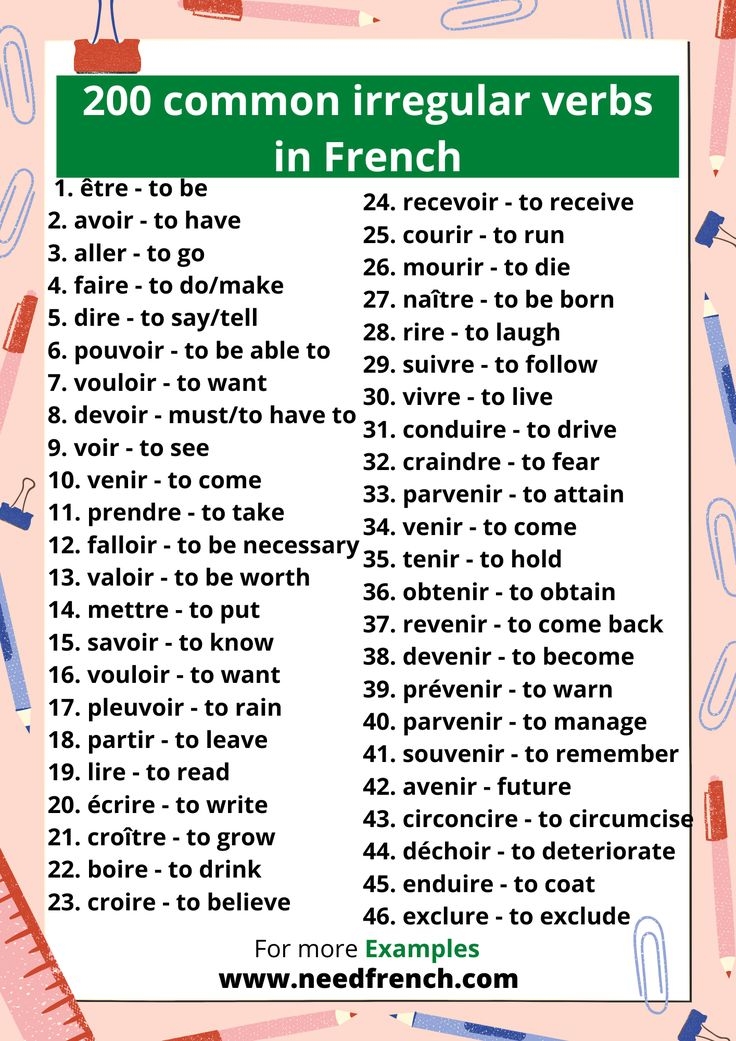
List of Common Irregular Verbs
1. Go: Present – go, Past – went, Past Participle – gone
2. Eat: Present – eat, Past – ate, Past Participle – eaten
3. See: Present – see, Past – saw, Past Participle – seen
Irregular verbs often have unpredictable patterns, so it is important to memorize them individually. Some irregular verbs may have similar past tense and past participle forms, while others may have completely different forms for each. Practice is key to mastering the use of irregular verbs in English.
When using irregular verbs, it is important to pay attention to context and tense. Incorrectly conjugating irregular verbs can change the meaning of a sentence or make it unclear. Consistent practice and exposure to different examples of irregular verbs in context can help improve your understanding and usage.
Overall, irregular verbs add complexity to the English language but also provide richness and variety in expression. By learning and mastering irregular verbs, you can enhance your writing and communication skills. Remember to practice regularly and seek feedback to improve your proficiency with irregular verbs.
In conclusion, irregular verbs are an important aspect of English grammar that require attention and practice to master. By understanding their unique patterns and forms, you can enhance your language skills and communicate more effectively. Keep practicing and learning to become more confident in using irregular verbs in your writing and speech.