Prepositions are an essential part of the English language, helping to connect nouns, pronouns, and phrases to other words in a sentence. They typically show the relationship between the noun or pronoun and other elements in the sentence. Understanding how a preposition works can improve your overall grasp of English grammar.
One key aspect of prepositions is that they often indicate location, direction, or time. For example, in the sentence “The book is on the table,” the preposition “on” shows the relationship between the book and the table. Prepositions can also convey other relationships, such as possession (e.g., “The book belongs to John”) or means (e.g., “He traveled by train”).
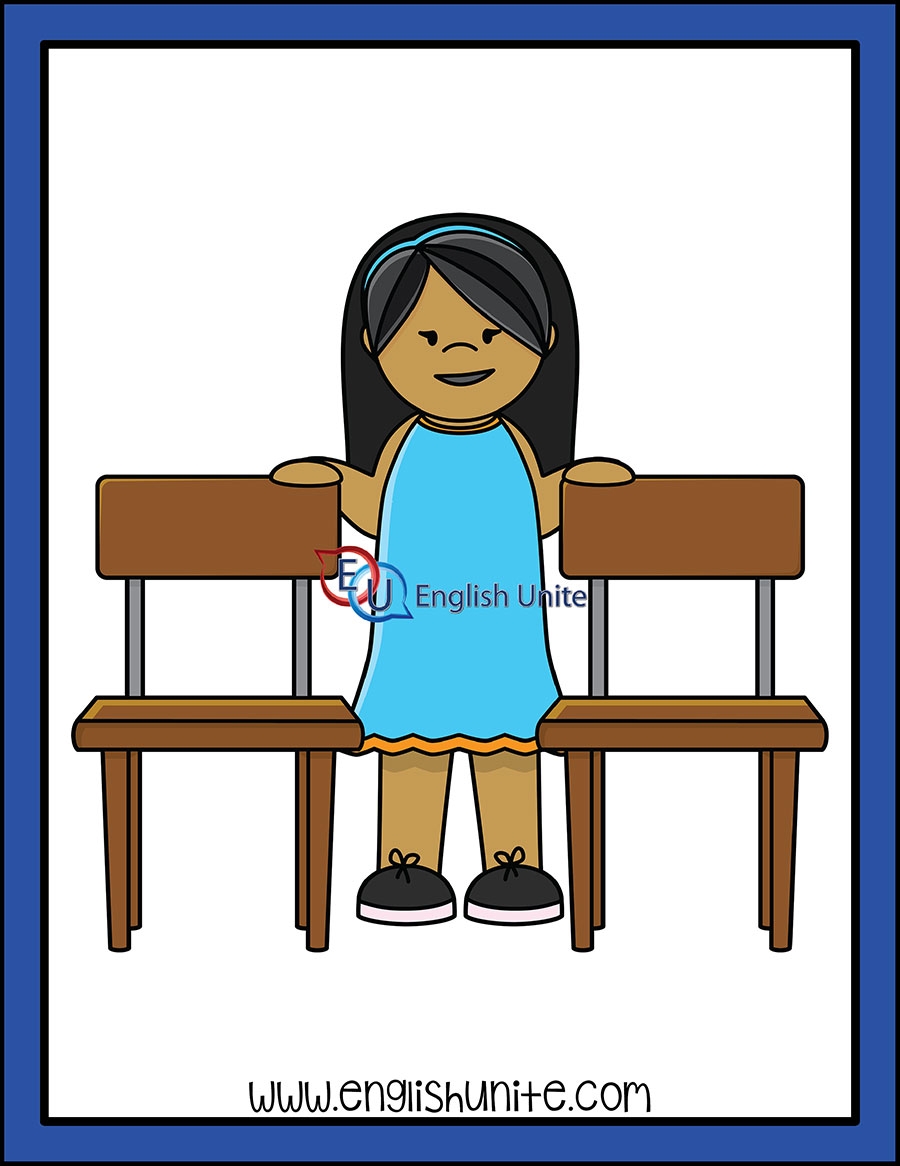
Another important function of prepositions is to link nouns and pronouns to other parts of a sentence. This helps to clarify the relationships between various elements and create more coherent and structured sentences. Without prepositions, sentences can often feel disjointed or unclear.
It’s worth noting that prepositions can be single words, such as “in,” “on,” “at,” or “by,” or they can be part of phrasal verbs, such as “look forward to,” “get along with,” or “come up with.” Phrasal prepositions add complexity to the language but are essential for expressing certain ideas and concepts.
Overall, understanding how a preposition works is crucial for mastering English grammar and improving communication skills. By recognizing the various functions and uses of prepositions, you can enhance your writing and speaking abilities and convey your ideas more effectively.
In conclusion, prepositions play a vital role in the English language by connecting nouns, pronouns, and phrases to other words in a sentence. They help to establish relationships, convey meanings, and create coherence in communication. By learning how prepositions work and practicing their usage, you can become a more proficient English speaker and writer.