Many people often wonder whether the word “is” is a preposition or not. In English grammar, prepositions are words that show the relationship between a noun or pronoun and other words in a sentence. They usually indicate location, direction, time, or the relationship between two things. However, “is” is not a preposition but rather a verb.
Verbs are action words that express a state of being or an action. In the case of “is,” it is a form of the verb “to be.” It is used to connect the subject of a sentence with a subject complement, which describes or identifies the subject. For example, in the sentence “She is a teacher,” “is” connects the subject “She” with the subject complement “teacher.”
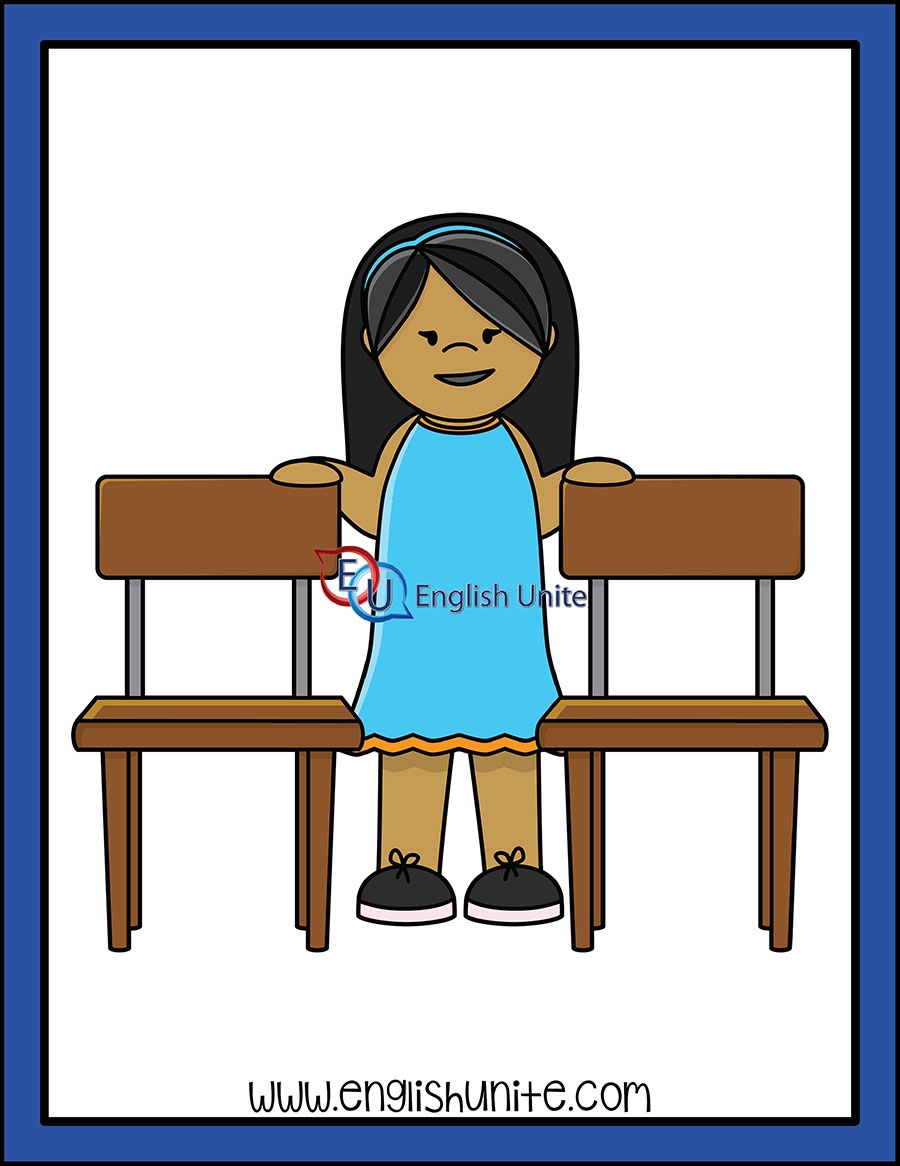
Although “is” is not a preposition, it is often used in conjunction with prepositions to form phrases that convey specific meanings. For example, in the phrase “is in,” “is” is the verb and “in” is the preposition. Together, they form a prepositional phrase indicating location. Similarly, in the phrase “is with,” “is” is the verb and “with” is the preposition, forming a prepositional phrase indicating companionship or association.
It is important to differentiate between verbs and prepositions in order to construct grammatically correct sentences. While prepositions show the relationship between words, verbs like “is” indicate the state of being or action. Understanding the function of each word in a sentence can help improve clarity and coherence in writing.
In conclusion, “is” is not a preposition but a verb. It is used to connect the subject of a sentence with a subject complement and express a state of being. Although it is not a preposition, it can be used in conjunction with prepositions to form prepositional phrases that convey specific meanings. By recognizing the role of “is” as a verb, we can effectively use it in our writing to communicate ideas accurately.