Adverbs are an essential part of the English language that add depth and detail to our sentences. They modify verbs, adjectives, or other adverbs to provide more information about how, when, where, or to what extent an action is performed. Without adverbs, our language would lack precision and nuance, making communication less effective and engaging.
Adverbs come in various forms, such as manner, time, place, frequency, degree, and more. They play a crucial role in enhancing the meaning of a sentence and conveying the speaker’s intended message clearly. Understanding the proper use of adverbs is essential for effective communication and writing.
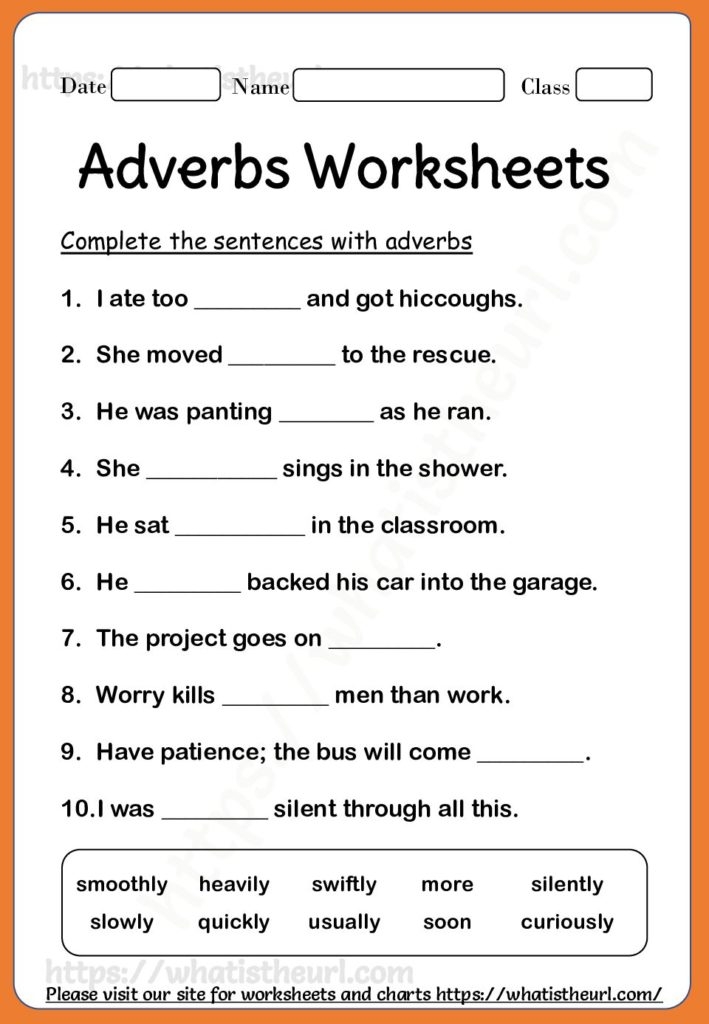
Use of an Adverb
One of the primary functions of an adverb is to modify verbs. By adding an adverb to a verb, we can provide more information about how an action is performed. For example, in the sentence “She ran quickly,” the adverb “quickly” modifies the verb “ran” to indicate the speed at which she ran. Without the adverb, the sentence would lack specificity and detail.
Adverbs can also modify adjectives to provide more information about the degree or extent of a quality. For instance, in the sentence “He is extremely tall,” the adverb “extremely” modifies the adjective “tall” to convey the high degree of his height. Adverbs help us paint a more vivid picture and create a more engaging narrative for the reader.
Furthermore, adverbs can modify other adverbs to provide additional information about how an action is performed. In the sentence “She sings very beautifully,” the adverb “very” modifies the adverb “beautifully” to indicate the high degree of her singing skills. Adverbs help us refine our language and express ourselves more precisely.
In conclusion, the use of adverbs is crucial for effective communication and writing. By incorporating adverbs into our sentences, we can add depth, detail, and nuance to our language. Adverbs help us convey our thoughts and emotions more clearly and engage our audience more effectively. Understanding the different types of adverbs and how to use them correctly is essential for becoming a proficient communicator and writer.