Prepositions are an essential part of the English language, serving to connect words and phrases to provide clarity and context in sentences. They often indicate the relationship between a noun or pronoun and other words in a sentence. Without prepositions, sentences would lack coherence and meaning.
Prepositions can be simple, such as “on,” “in,” or “at,” or more complex, like “because of,” “in front of,” or “in spite of.” They are versatile and can be used to indicate time, place, direction, manner, or cause.
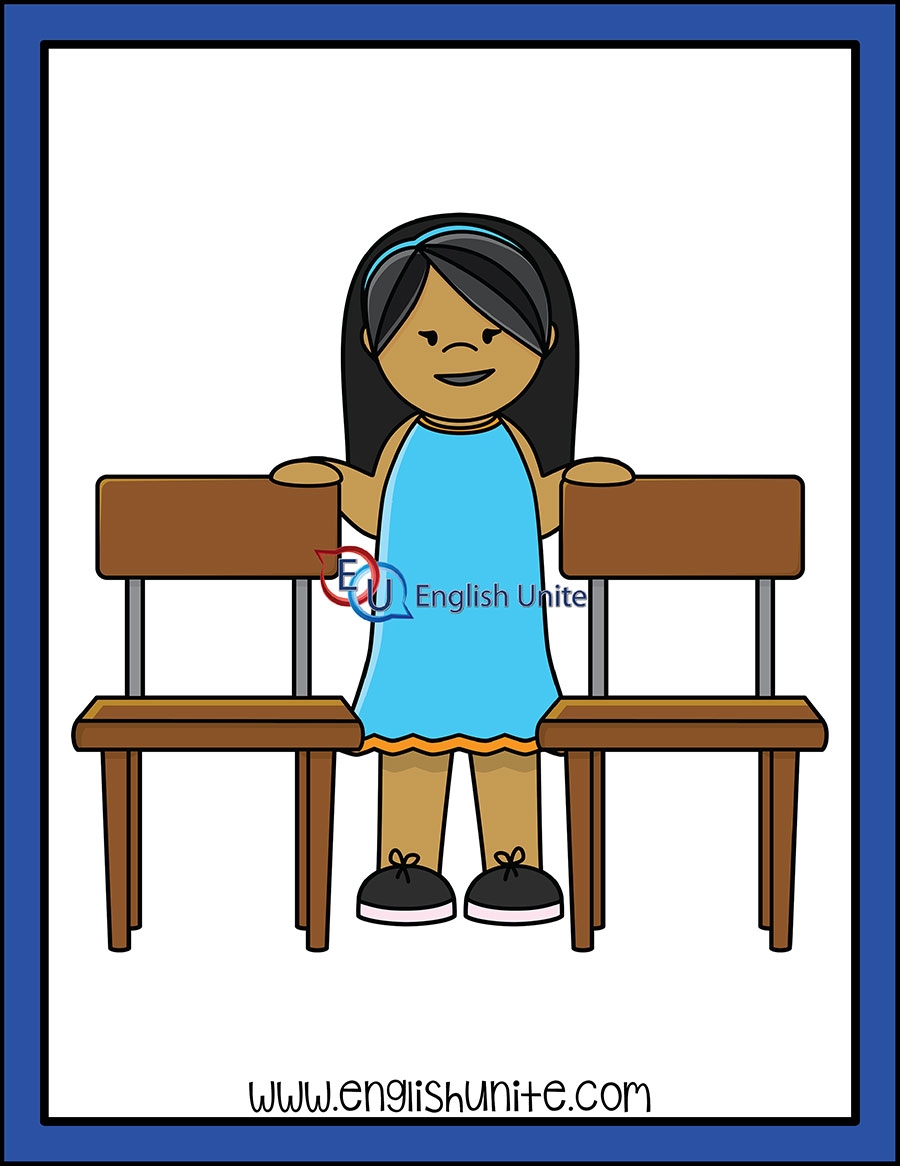
Is the Preposition
One common question that arises when learning about prepositions is whether they are necessary in a sentence. The answer is yes. Prepositions play a crucial role in providing clarity and specificity to the relationships between words and phrases.
For example, consider the sentence “She is sitting the chair.” Without the preposition “on,” the sentence lacks clarity. By adding the preposition, the sentence becomes “She is sitting on the chair,” which clearly indicates the location of the action.
Prepositions are also used to show the relationship between two elements in a sentence. For instance, in the sentence “The book is on the table,” the preposition “on” indicates the position of the book in relation to the table.
Additionally, prepositions can be used to convey abstract relationships, such as time or cause. In the sentence “He left because of the rain,” the preposition “because of” establishes the reason for the action of leaving.
In conclusion, prepositions are an indispensable part of the English language, providing structure and coherence to sentences. They help establish relationships between words and phrases, clarify meanings, and convey important information. Understanding the role of prepositions is essential for effective communication and writing in English.